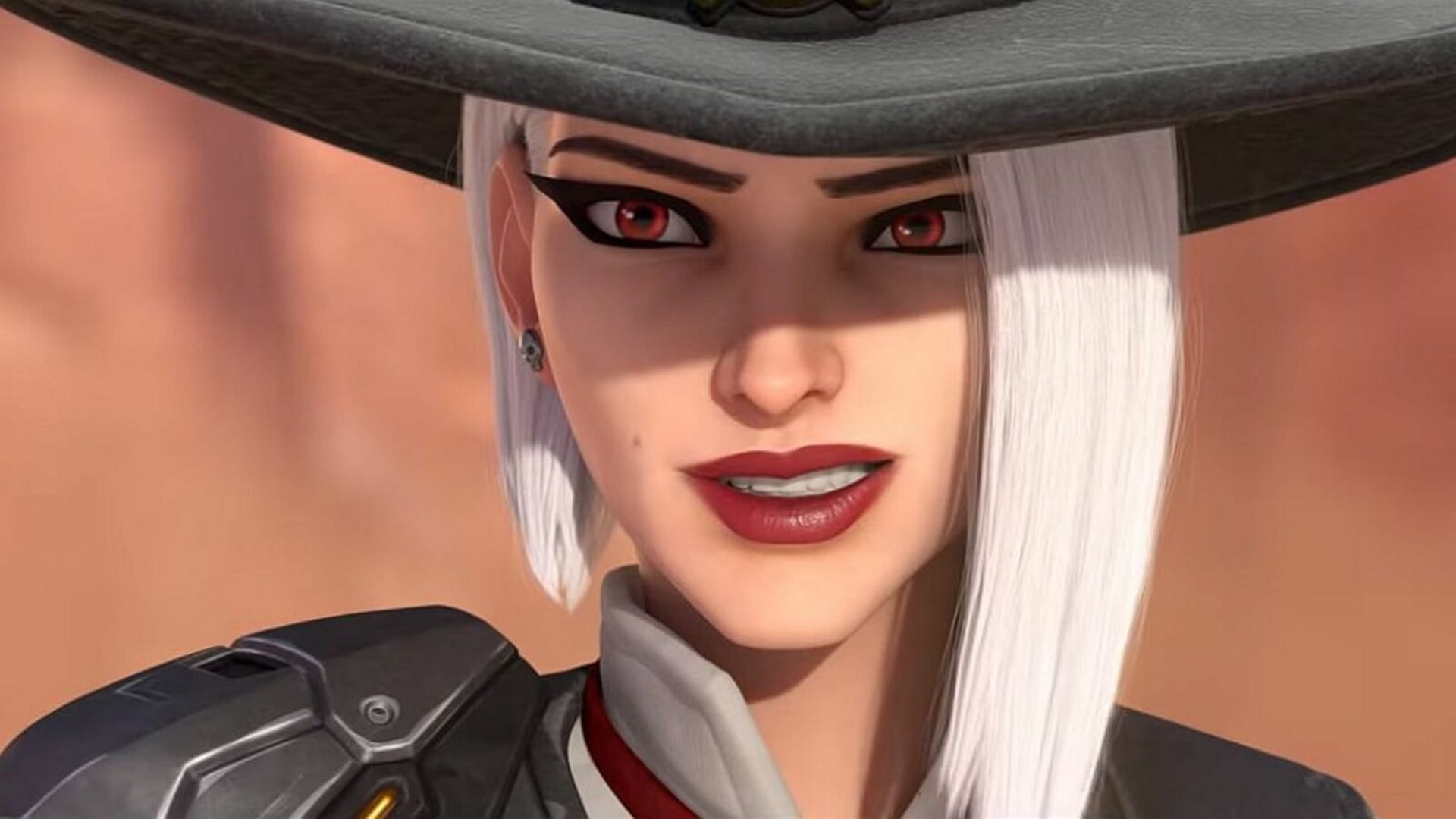
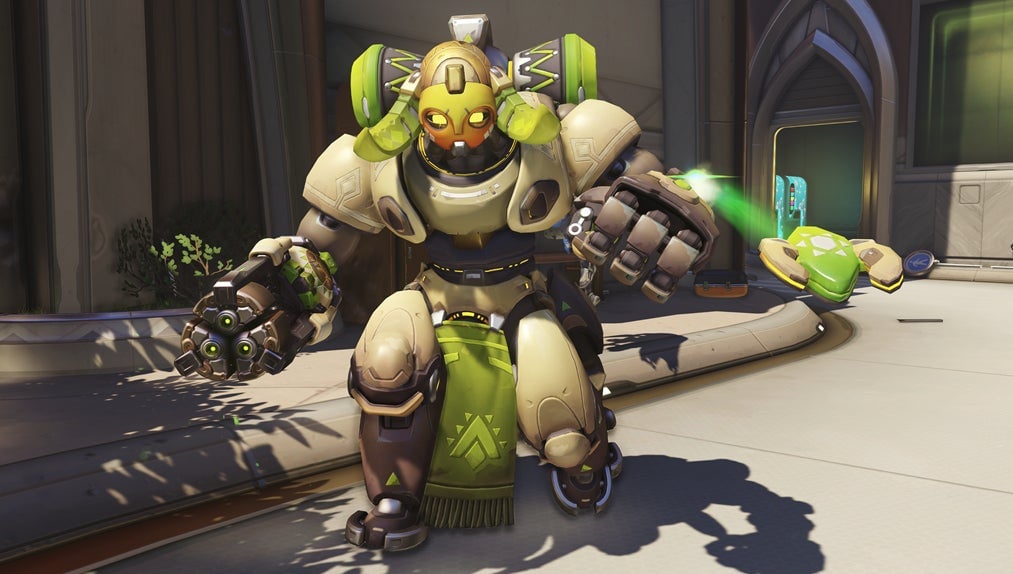
Yesterday, like I do every day, I wrapped up my workday, closed my Chrome tabs and, without pausing, hit the Windows button on my keyboard. In the search bar, I typed “Over-” and hit enter. My eyes found the big, blue “Play” button on the game launcher. Overwatch’s familiar orchestral music swelled and, in an oblivious four clicks, I was queued up for a game. I won that game, and the next, and it felt good, like it always does, to win.
It was eerily easy not to consider my own actions in the context of the week’s Blizzard news. We often load up our go-to games impulsively, without consideration for what it may mean in a greater ethical context. Right now, it’s something we could stand to wrestle with more mindfully.
My play session was on the tail end of a news cycle criticizing Overwatch’s publisher, Blizzard, for their excessive punishment of Hearthstone pro Chung “Blitzchung” Ng Wai for saying “Liberate Hong Kong. Revolution of our age!” on stream. Blizzard said Chung, who had just won his Grandmasters game, violated the Official Competition Rules v1.4 P.12, Section 6.1 (0) by “engaging in any act that, in Blizzard’s sole discretion, brings you into public disrepute, offends a portion or group of the public, or otherwise damages Blizzard.” Chung received no prize money and a one-year suspension while the competition’s casters were fired. Outrage ensued, and I was not an unbiased bystander to it.
Someone covered up the “Every Voice Matters” and “Think Globally” phrases in a Blizzard headquarters statue expressing the company’s values. College Hearthstone players expressed their solidarity with a “Free Hong Kong, Boycott Blizzard” sign. The Hearthstone subreddit closed, overwhelmed by the explosion of criticism. Hearthstone casters have quit—famous ones, too. Dozens on social media said they were cancelling their Blizzard accounts or World of Warcraft subscriptions. All of this so consumers—fans, even—can show Blizzard that they will not support a company that thwarts people’s livelihoods and snatches away financial resources when they make statements about human rights they deem inappropriate.
I cannot, as a journalist who covers Overwatch and WoW Classic, entirely cut myself off from what I write about. But what deeply unsettled me was how easy it was to go from fury and rage over Blizzard’s decision to impulsively queueing myself up for a couple rounds of Overwatch to de-stress after work. We are creatures of pattern, and once my responsibilities are complete, an aura of droneishness overcomes me as I fall into my favorite pattern: a glass of bourbon on ice and an hour of Overwatch.
Games are designed this way. Seamless. Music engineered to transition you into the gaming mindspace. Fewer clicks before jumping into a game. No downtime during the gameplay loops. Fewer barriers before queueing up for another one. This immersive world with its own, separate set of values and stakes is designed to feel isolated from life. Overwatch presents a utopian, multicultural world, which, as game director Jeff Kaplan once told Kotaku, is meant to suggest that “it’s time to move on from some of these visions that we keep reinforcing rather than imagining something being a little different.”
An online game is simultaneously an escapist paradise and a big-money commodity. They’re both player-built digital communities and the products of publicly-traded companies like Blizzard-Activision, which above all function in the service of financial objectives.
They can be all these things at once, but it’s time I, and others, stop thinking of them as separate. Overwatch is not separate from Blizzard and the controversy its actions deserve. The place where it lives in my mind is. I need to do the mental work of folding my impulses around playing Overwatch into my deep, deep anger about how they behaved toward Chung and the Hearthstone casters. Once others do the same, we might find that we have more power over our impulses than we thought.