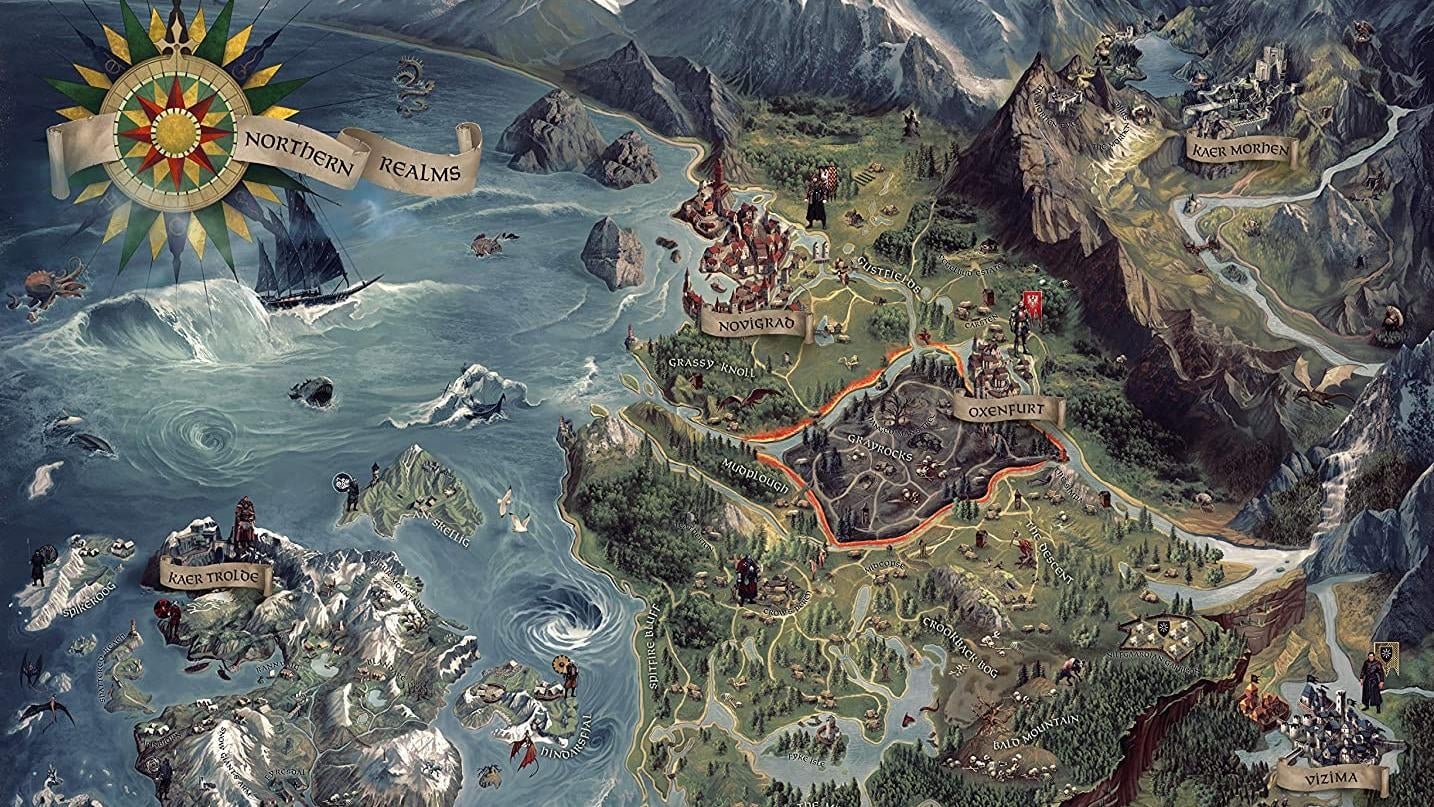
I’m about halfway through the second season of The Witcher on Netflix, and for the most part I’m loving it. It feels a lot more Witchery than the first season did, and is moving at a refreshingly brisk pace. One thing that’s really bugging me, though, is that series seems to have wildly overestimated how much we all know about the geography of the Witcher universe.
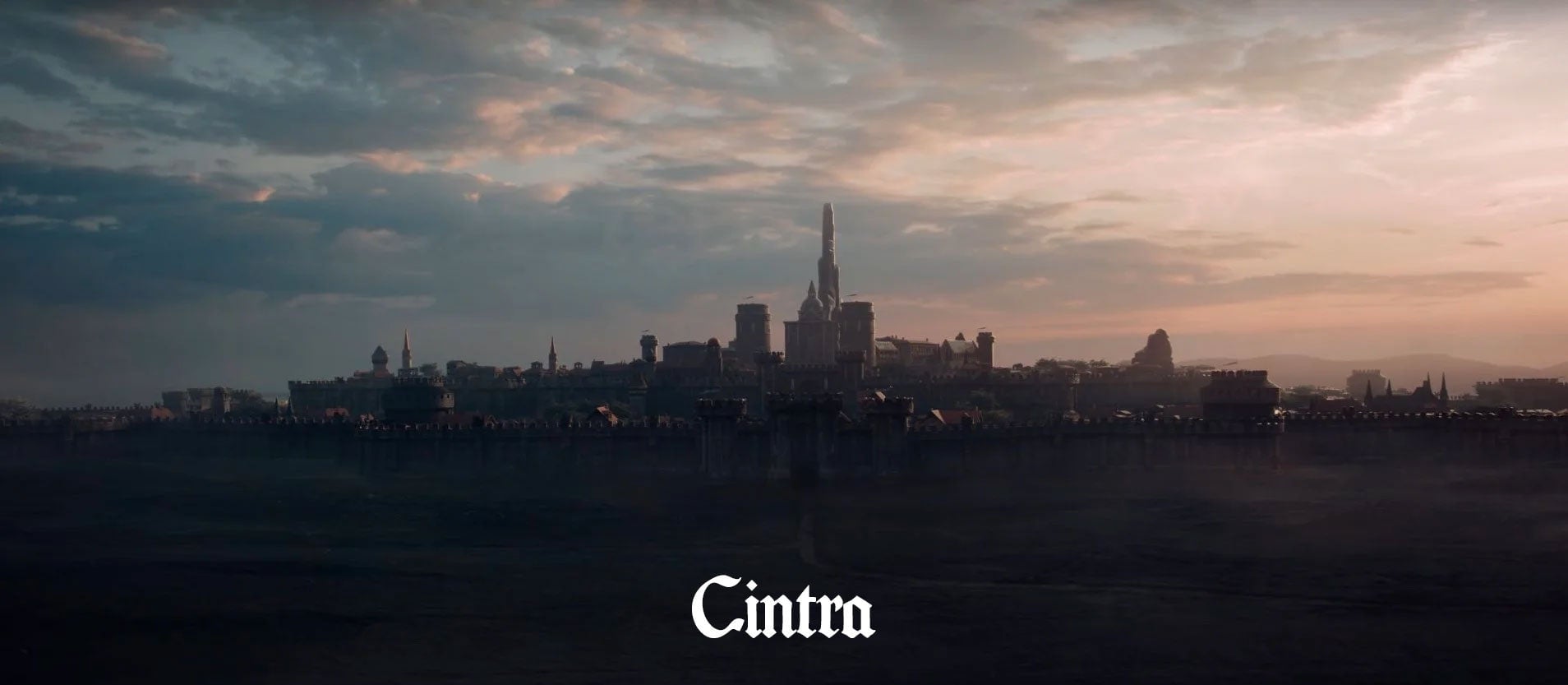
I don’t remember it being as big a deal in the first series, but after a few episodes of this one the characters really start moving around. On foot, on horseback, in wagons, on ships, in portals, they’re zipping around the entire continent at speed, one second at the edge-of-the-world Kaer Morhan, the next inside Cintra, a city so far south it’s not even on The Witcher 3’s map.
Where these characters are, where they’re going and how far they’ve come have enormous consequences for the story being told. When Yennefer says she has spent a month searching for answers, it helps to know just where she’s been. If getting on a boat from Oxenfurt to Cintra is so dangerous, it helps to know what that journey actually looks like. And if Kaer Morhan was such a trek for Triss, it’d be great to know just how far she had to travel.
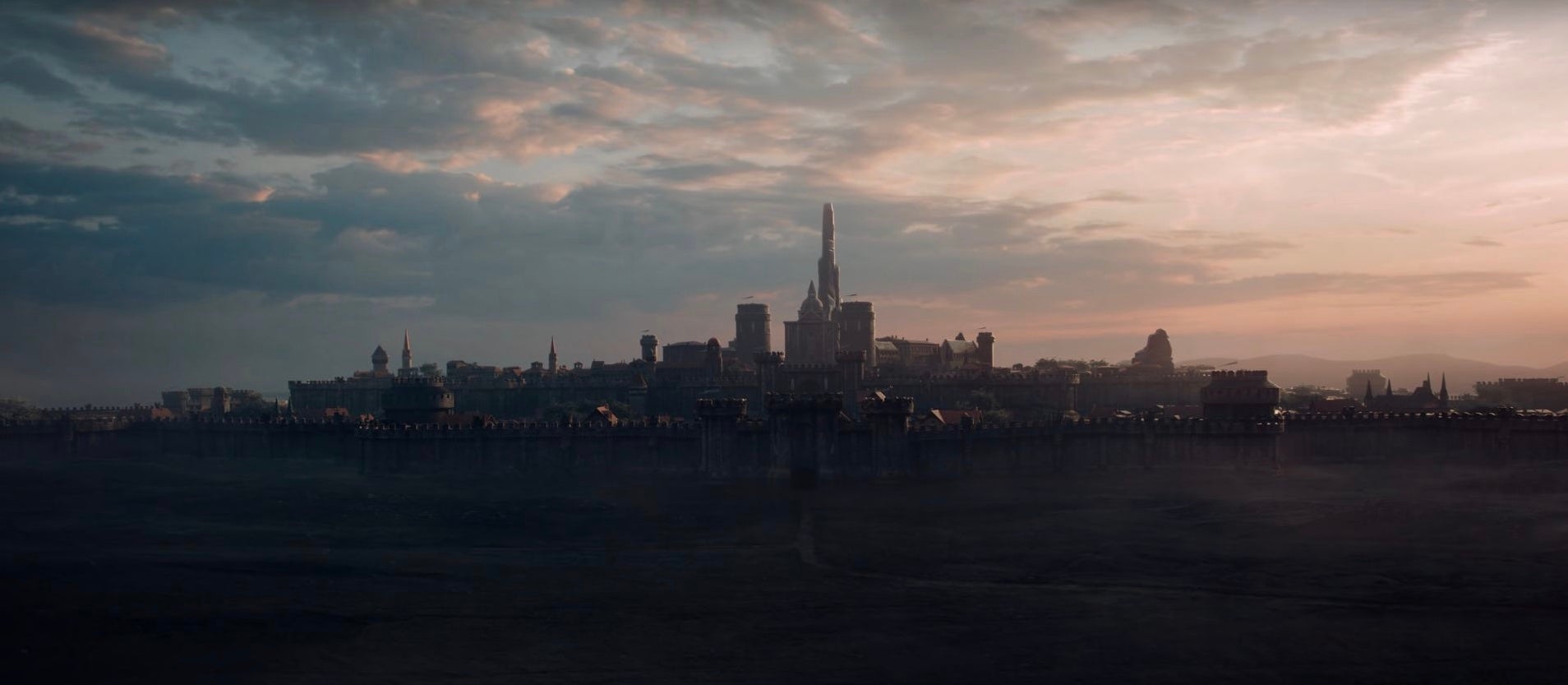
But I have no idea! We’re never shown a useful map, or even told where events are happening by some text on the screen, and it’s killing me. Even the fact I have played over 140 hours of The Witcher 3 isn’t really helping. My poor wife, who has neither played a Witcher game or read a Witcher book, is simply lost
I’m not saying the show needs to bring up an animated Indiana Jones-style map every time someone goes anywhere, but an occasional refresher or update would be nice. Even a subtitle flashed over a cityscape shot would help, telling/reminding us what this place being shown actually is, because we can’t all be expected to be recognising generic fantasy castles from memory every damn time, especially when the lighting and time of day and angle of the shot keeps changing.
To be fair to the show’s creators, this is a frustratingly common misstep in fantasy and sci-fi TV shows, a problem that goes way beyond just The Witcher. Maybe it’s hoped/assumed that fans will either know a land’s geography already, or be keen enough to look it up online, so that when characters start talking about places viewers will know enough to fill in the blanks. This would leave writers free to occasionally drop a reference to something being “north” or “west” or “on the sea” and think that’s enough to place an entire season’s worth of action in context.
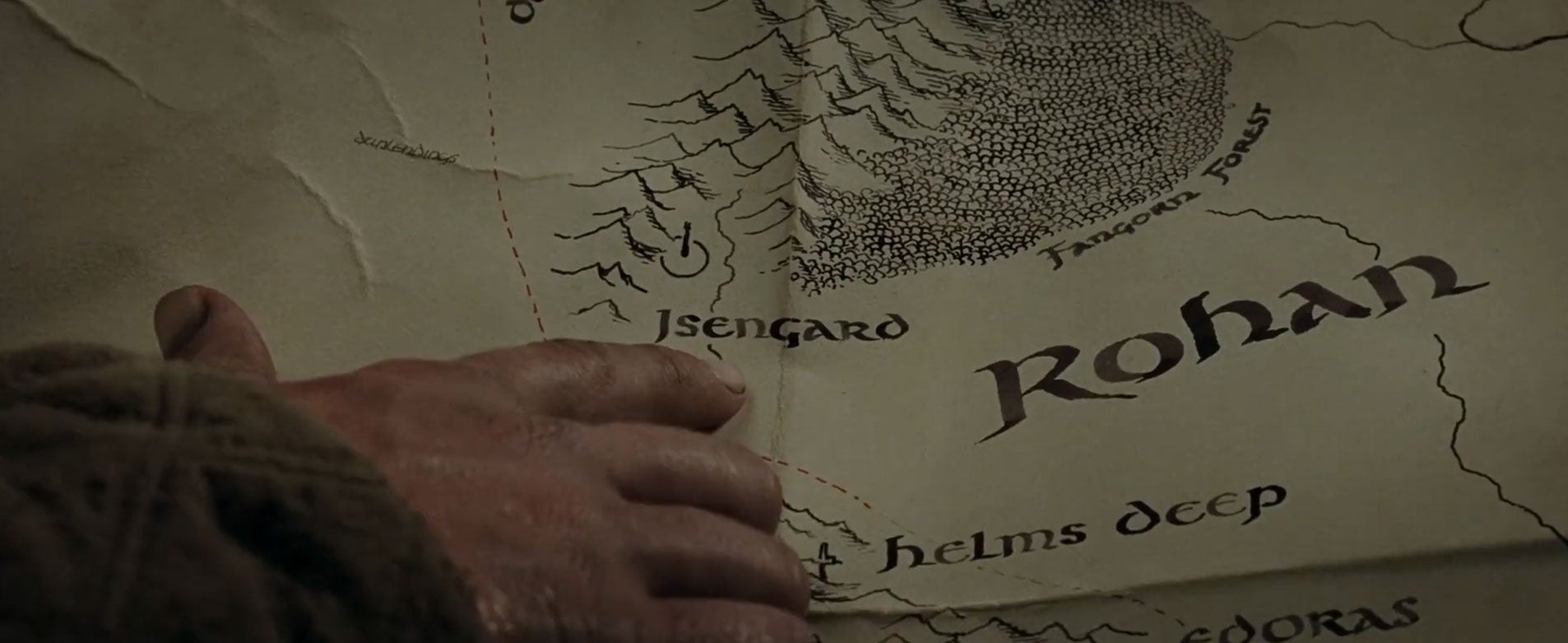
It’s not! I know I’m not alone in being annoyed by this, because some of the titans of the field have gone out of their way to make sure they avoided the same pitfall. Peter Jackson put a map scene in Two Towers solely to put the brakes on the trilogy and show us exactly what had been happening for the last six hours, and what was being set up for the hours to come. It was only a few seconds long, but it was immensely important to a nine-hour trilogy. So important that it was something he added after principal filming had ended (the finger is Jackson’s, even though it’s supposed to be Faramir’s) when he realised how badly it was needed.
And the iconic opening credits to Game of Thrones weren’t just there to show us some gears; as a map that was continually added to and expanded over the course of the series, it was invaluable in putting the conquests and travels of the show’s characters in context.
Even shows and movies set in our actual world, the one we could be more realistically be expected to know already, use maps! Think of how many Second World War stories have opened with maps showing German advances, or adventure epics that show ships or caravans inching along a dotted line on a painted map.
Maps are one of our most essential inventions because they anchor us, help us locate our place in the world. They’re the best way we have to illustrate where we are, where we’ve been and how far we can go, and to then frame those movements in a way we can relate to.
Without them, we are lost. And that goes for TV shows as well.