Top Twitch streamers can make $50,000 per hour streaming new video games, the Wall Street Journal said in a weekend report. Kotaku spoke with industry sources who confirmed the report, adding that $50,000 per hour wasn’t even the highest figure they’d seen.
The report claims that publishers like Activision Blizzard, Take-Two, Ubisoft, and Electronic Arts regularly pay big sums to big-name Twitch streamers, who play and publicize their games for large dedicated live fanbases (Ben “DrLupo” Lupo, referenced in the story, has 3.2 million Twitch followers). When popular streamers check out new games, it may not be purely out of personal interest; they’re often making big money, the report claims.
Getting $50,000 an hour to livestream a game and make it seem cool is a hell of a gig. According to two industry sources interviewed by Kotaku, that number may not even be highest threshold. “We’ve seen offers well over $50K an hour, as well as many six- and seven-figure deals for longer-term engagements,” said Omeed Dariani, CEO of the Online Performers Group, which represents top streamers like Cohh Carnage and Professor Broman. “I can’t share specific companies, as the payment terms are usually confidential. We had one offer from a AAA publisher that was $60K per hour for two hours. The broadcaster declined it—and the publisher came back with a ‘blank check’ offer, which was still declined.”
Pricing isn’t just based on reach, he added: “Bigger audiences (typically anything over 5,000 viewers) tend to be younger and have lower engagement, so you can’t just say something like ‘1 viewer for 1 hour = $1.’ Not all streamers (and their viewers) generate the same results.”
To those following the $43.4 billion industry’s financial trends, huge-money sponsorships shouldn’t be a surprise. Twitch streamers are 2019’s pop culture, and to savvy marketers, nothing could be more intuitive or cost-effective than leveraging this fledgling industry’s relatable microcelebrities to promote a product. That was a game-changer for survival shooter Apex Legends, which became the number one game on Twitch after top streamers livestreamed it. Electronic Arts’ stock gained near 10 percent following the boost.
“Your game being top on Twitch is worth a lot now,” said Adam Lieb, CEO of marketing firm Gamesight. The money Electronic Arts invested in Twitch influencers, he said, “they could have spent on ads on Twitch or IGN and it would not have made as big of an impact.”
Livestreaming may feel more authentic than traditional ads to fans, who trust their favorite streamers to give their honest, candid opinion. But the companies sponsoring these streams can maintain a degree of influence on their content. According to Dariani and Lieb, it’s common for game publishers to ask streamers to sign non-disparagement clauses.
“Disparagement is not the same thing as criticism,” Dariani explained. “It’s more like saying ‘the developers of this game are morons and should all be fired’ rather than ‘the combat system in this game could use some adjustments.’” Other times, according to Lieb, a game publisher might just ask a streamer to check out their game first to see if they like it. A 2016 Kotaku report included one marketing firm’s guidelines for what constitutes a kosher sponsored video:
DO:
Find something in the game to gently poke fun atIncorporate trailers / gameplay footage in the video.
DON’T:
Curse or use foul language in your video
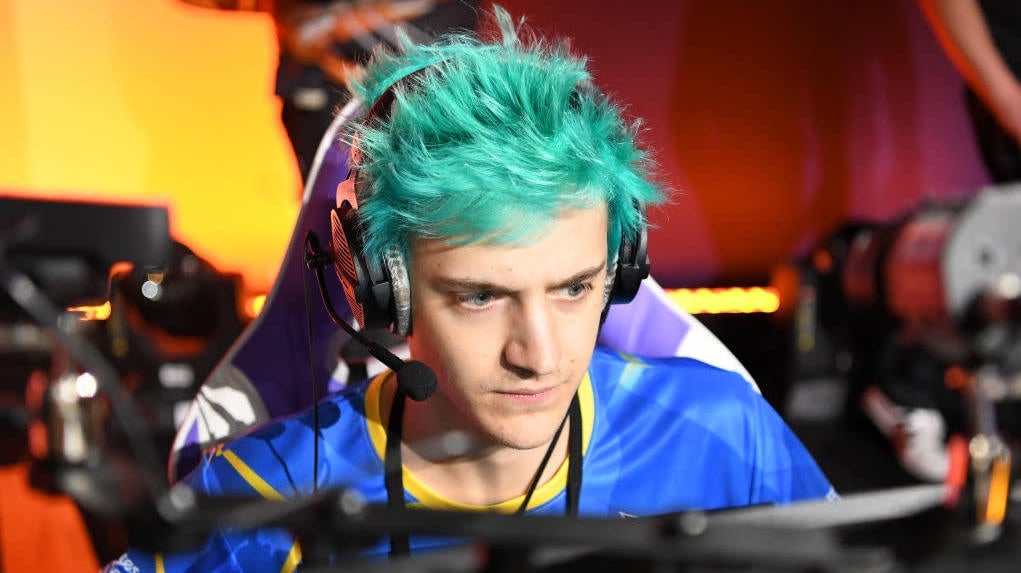
Celebrity streamers play an increasingly crucial role in publishing companies’ marketing plans, yet it’s not always clear that they’re doing it. A 2019 Reuters report alleged that Electronic Arts paid Tyler “Ninja” Blevins $1 million to play and tweet about Apex Legends. Blevins, along with Michael “Shroud” Grzesiek, both streamed the game on its launch day with “Apex Legends partner” graphics, yet they didn’t seem to describe what that specifically entailed, reported Kotaku. Reached for comment, publisher EA explained that “EA requires full disclosure and transparency with every Game Changer, content activation, or paid sponsorship that we are involved with.”
In 2017, the Federal Trade Commission released guidelines on how influencers can endorse products legally. Reached for comment, a FTC representative referred Kotaku to their guidelines: “Since viewers can tune in any time, they could easily miss a disclosure at the beginning of the stream or at any other single point in the stream. If there are multiple, periodic disclosures throughout the stream people are likely to see them no matter when they tune in. To be cautious, you could have a continuous, clear and conspicuous disclosure throughout the entire stream.”
Influencer culture has become an inextricable arm of advertising. As more and more marketing happens behind the curtain, it’s becoming harder to tell when we’re being sold to, and at the same time, harder to care when we love who’s selling.