The hate of fake games and fake gamers goes back at least to 1988.
That’s when a reporter from the esteemed magazine Newsweek was trying to make sense of the “fun, low-brainpower” games kids were playing in America and wanted to understand how some awful Atari-like crash could be avoided in the new age of Nintendo.
The games needed to be good, the reporter John Schwartz learned.
He also discovered that the games needed to be games. Real games. He got that wisdom from 16-year-old syndicated columnist Rawson Stovall.
From the March 1988 Newsweek article [emphasis added by me]:
Nintendo already sells an advanced computerlike machine, the Famicom, in Japan. Nintendo’s latest U.S. hit, the million-unit-seller The Legend of Zelda, approaches the sophistication of PC software. Rawson Stovall, a 16-year-old syndicated columnist on video and computer games, warns against the lure of complexity. Arcane simulations requiring thick instruction manuals “aren’t games to me,” he says. “A game is something with action and a joystick and firing the button and shooting the aliens.” For the born-again video-game industry, the key to sustaining this new boom may be not to forget that the joystick generation will always be its best market.
Stovall appears to have been an early spokesman for the community of snob gamers that now include people who have declared that Facebook games, Wii games, iPhone games, non-PC games are also not real video games. This crew of hive-minded experts have, post-Stovall, post-Newsweek also declared that Kinect games aren’t real games, motion-controlled games in general aren’t games, just as Madden gamers aren’t real gamers (the list of fraud gamers also includes people who never played all the Final Fantasy games, people who only play Gran Turismo, anyone over the age of 40, people who play Team Fortress for free, women, celebrities and the guys who will declare that Modern Warfare 3 is their favorite game of all time).
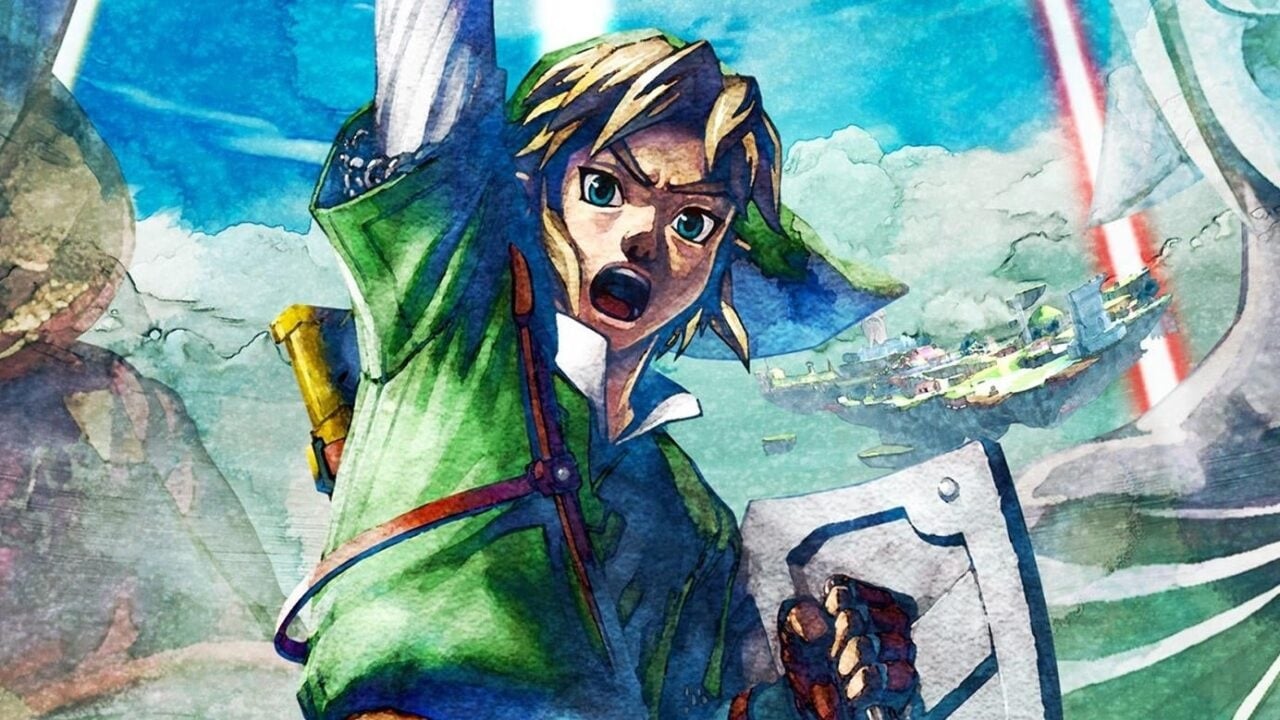
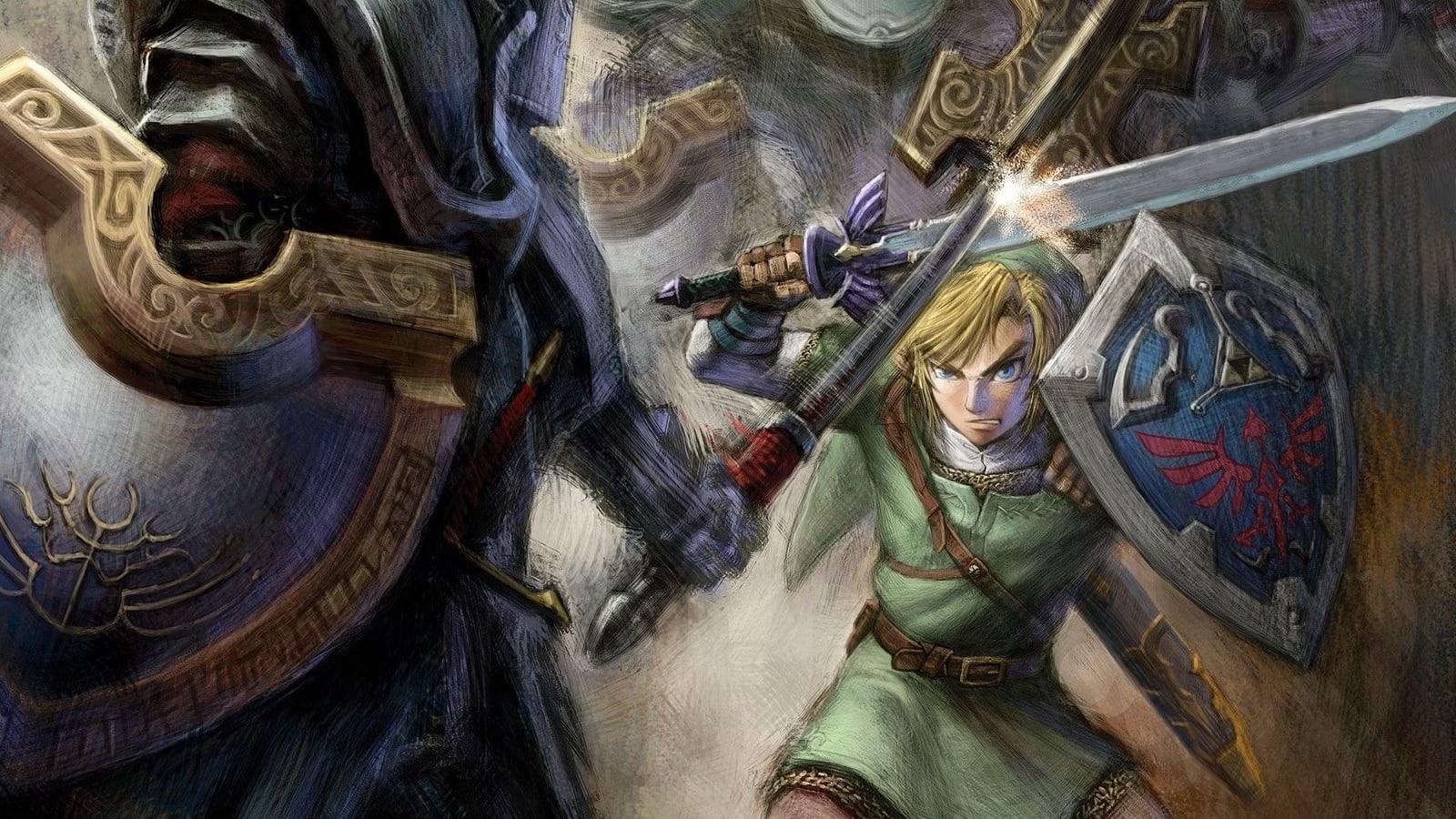
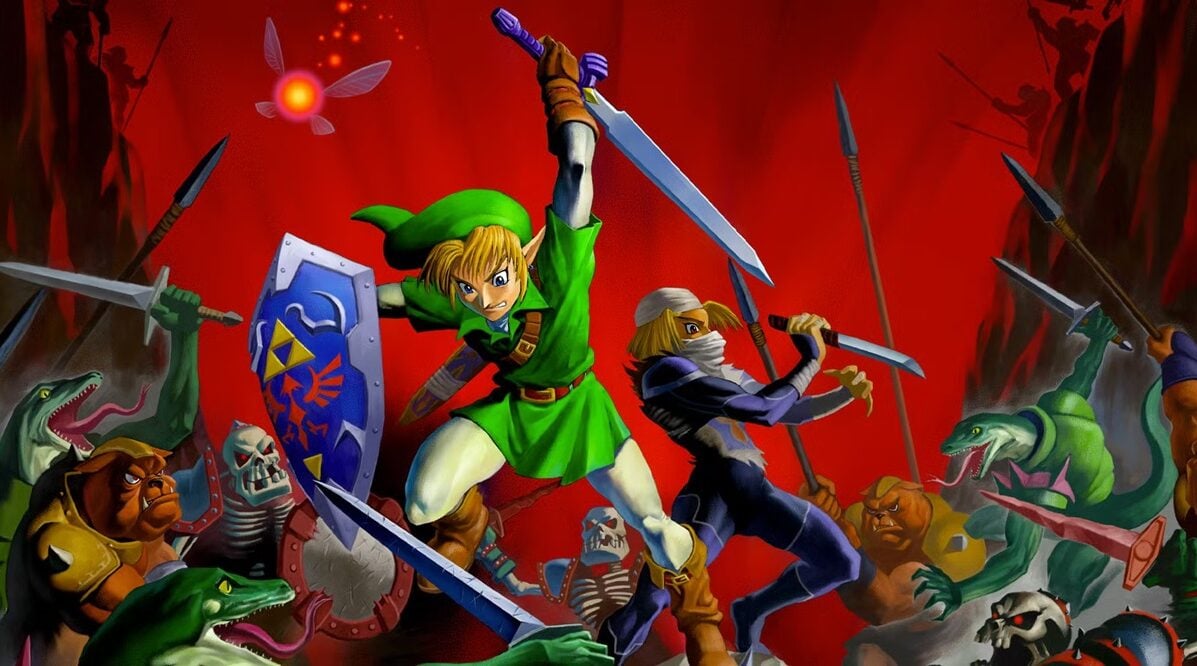
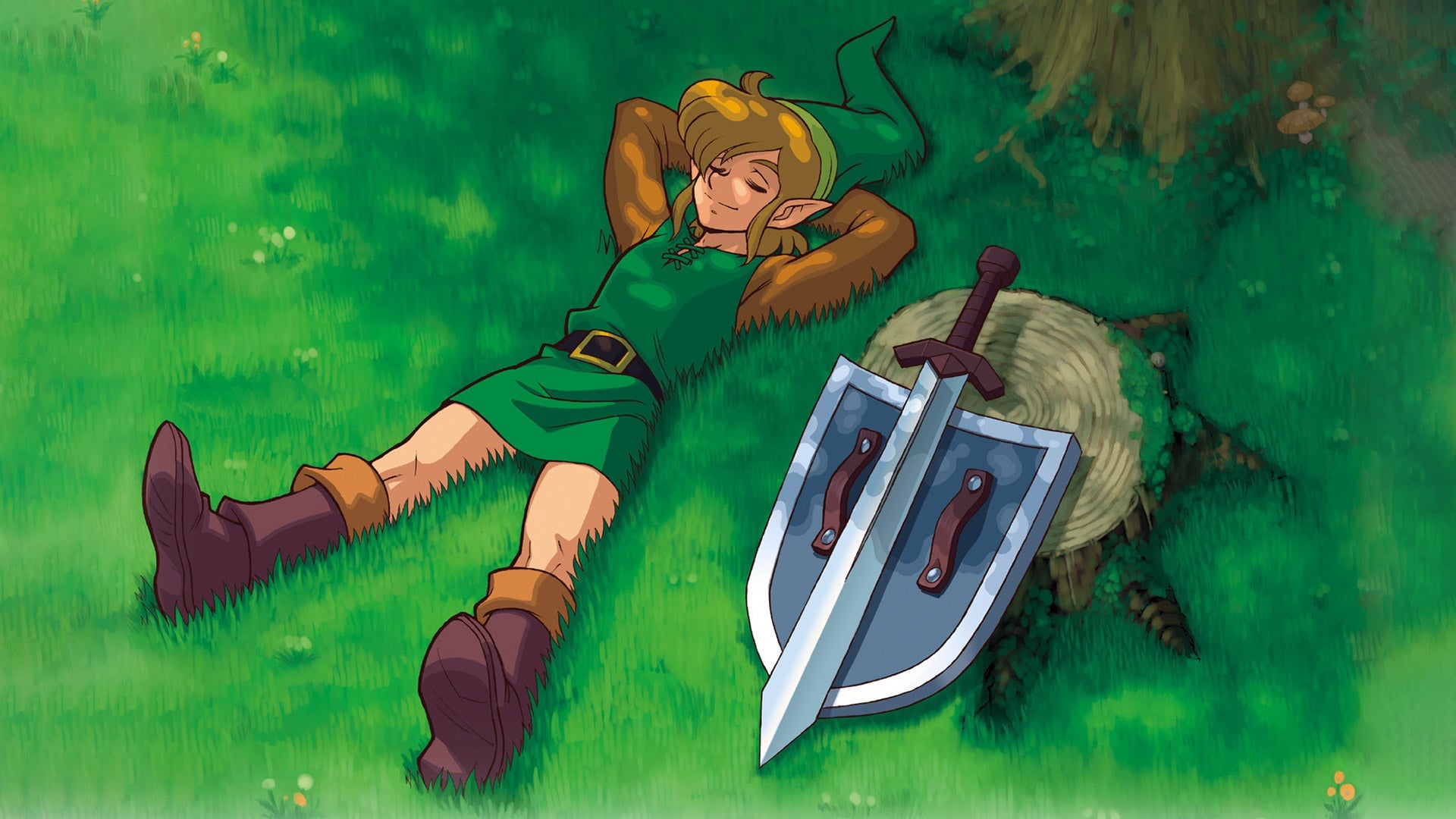
Use the silver arrow, kid. Not all of the quotes about video games in the mainstream press of 1988 were eye-rollers. This is the charming lede for the Los Angeles Times article cited in this story: “Each day after school, Kristopher Hritz travels to the Land of Hyrule in search of the Triforce of Wisdom. With it, 12-year-old Hritz, an avid video game fan, can save the beautiful Princess Zelda who is being held captive by the sinister Ganon.
“Hritz admits that it wasn’t easy to ‘collect life energy’ or ‘blow away a huge rock,’ at first, but his experienced friends gave him hints. It took a week of after-school play, but Hritz did manage to save the princess from the elusive Ganon in the Legend of Zelda video game. ‘I kept running into him, but it took awhile to figure out how to kill him,’ Hritz explains.
Before anyone named George Bush was President of the United States, gamers knew what what real games and real gamers were. They called out the posers who were on the verge of ruining everything.
I was reminded of this and found that inspirational quote in Newsweek while I was researching the history of the Legend of Zelda for an unrelated story yesterday. I wasn’t just reminded of the gaming’s great tradition of snobbery. I found some other great ideas.
https://lastchance.cc/argument-its-time-to-make-the-legend-of-zelda-free-fo-5830042%3C/a%3E%3C/p%3E
“We’re trying to attract girls, but it’s like turning around a supertanker in (New York’s) East River,” [Sega of America vice president David] Rhoads says. “It happens slowly.”
That same Times piece reintroduced me to the awe-inspiring march of technology:
By building more electronic circuits into the hardware, the new games offer sharper color and clearer characters. Packed with more electronic memory, the new games can also do more. Best-selling Mike Tyson’s Punch Out contains 256,000 bytes of computer memory, compared to just 8,000 bytes in Pac-Man, a hit from yesteryear.
That article also reminded me that video games will never go away, at least according to the chairman of Epyx, maker of great video games (before they went out of business):
“Video games are just as big a part of teen-age entertainment as records, or tapes or going to McDonald’s.”
I hope video games, like records, are around forever. And I hope games keep it real before all those fake games mess things up for true gamers like me.
(Top photo of Rawson Stovall from his book The Vid Kid’s Book of Home Video Games | Image via Wikipedia)
You can contact Stephen Totilo, the author of this post, at [email protected]. You can also find him on Twitter, Facebook, and lurking around our #tips page.