The Fallout series
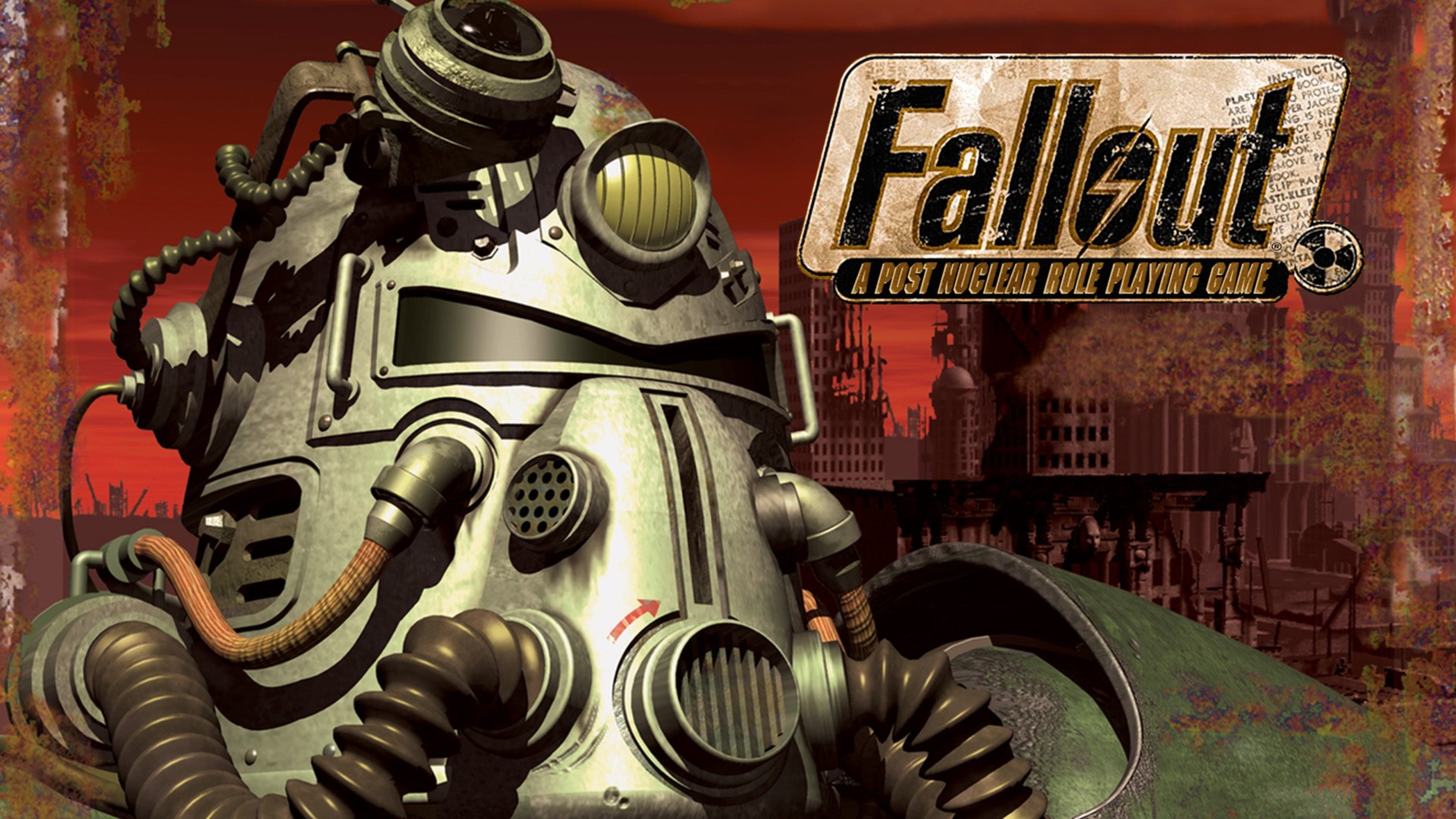
Fallout began as a franchise that was critical of the society that inspired it, but over time, suffered a fate similar to Black Mirror. There are still aspects to love, and every so often it’ll still hit it out of the park. But everything about how the franchise exists now feels too facile, like a Vault Boy that will never stop smiling. The shift to first-person open-world gameplay with Fallout 3 meant ceding all the aspects that made 1 and 2 brutal and effective, all in the name of mainstream, crowdpleasing design. In the older games, you could spend too long out in the world, exploring its dangers, only to find out you’d lost it all in the process. Imagine getting penalized for doing all the side quests in 2023? Players would riot.
Read More: Fallout Creator’s Coming Out Story Hits Harder This Pride Month
And yet, as one of the earliest open-world games to invest in our modern sensibilities, Fallout’s story is as American as it gets. The perfect game never ends, always says yes, always makes you feel good, always has something new to offer, lets you build it however you see fit. Hey, that’s what you paid for, and in America, the customer is always right.
Fallout and the idea of “America” are intrinsically connected in the series’ frozen-in-time 1950s culture and aesthetic. It’s the vision of a more idyllic America, pies and family values, all belying a more horrific reality about the people putting up those white-picket fences. But Fallout is most American to me in its trajectory and impact as a franchise.—Patricia Hernandez