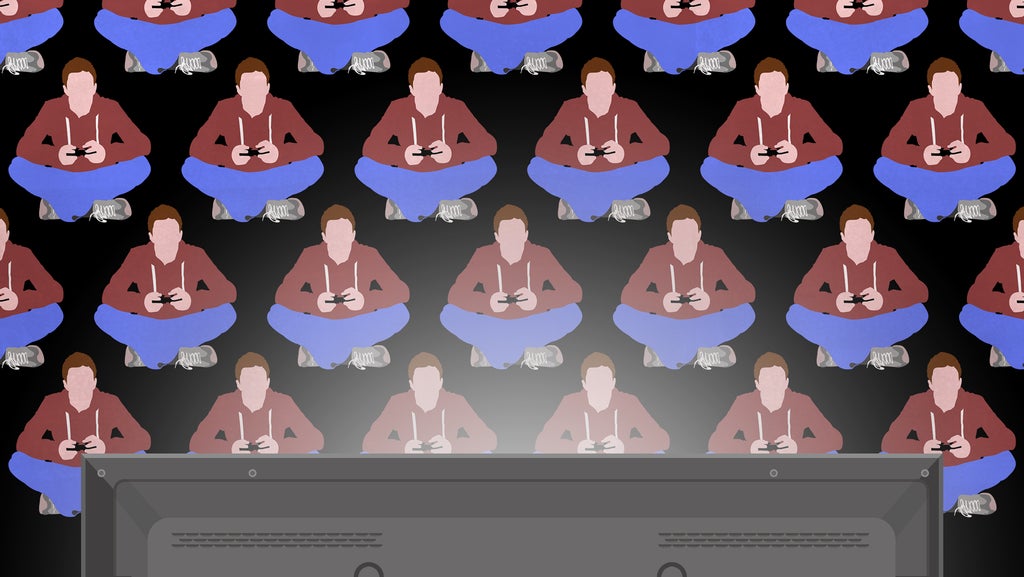
Everyone remembers the first time they played a really good video game. The constant surprises of Half-Life, or the drama of Final Fantasy VI, or the stress and catharsis of Far Cry 2. As good as those games were the first time around, they’d almost certainly be better the second. Or the third. Or the fourth.
I love to replay games. It’s something my colleagues occasionally give me crap for. They worry I’m sacrificing time I could otherwise spend on new games re-experiencing old ones. I do play games for a living, so I always try to maintain a healthy mix of new ones in my rotation. But I’m almost always replaying something.
In fact, I generally enjoy replying the older games more than breaking in the new ones. At the moment, I’m replaying Wolfenstein: The New Order and Deus Ex: Human Revolution. I’m still regularly going back to a New Game+ playthrough of Persona 4 Golden, and I’m in the middle of my third time through The Witcher 3. I have a perpetual game of Half-Life 2 that doesn’t so much end as it does endlessly refresh and repeat.
Almost everyone has books, movies and music that they re-experience over and over. I can’t tell you how many times I’ve read my favorite books or listened to my favorite albums. It’s more or less accepted that when you really love a TV show or a movie, you watch it over and over to better understand and appreciate it. Video games generally take longer to complete than other media, so it’s less expected (or accepted) to play games more than once.
Of course, there are some games to which the concept of “replaying” doesn’t exactly apply. Multiplayer games like Overwatch and League of Legends, or endless games like Minecraft or Ark: Survival Evolved. Any game with a built-in endgame loop, like Destiny or Diablo 3. I’m talking more about finite games here—the ones with a beginning, a middle, and an ending.
I am here today to tell you that it is okay to replay games! Even fairly recent ones! Here are some reasons why I love replaying games.
I’m more likely to take my time.
The first time through a game, I’m usually drawn along by the narrative. That narrative could be the story, or it could be the “narrative” of progression and new abilities. Either way, I want to know what happens. I burn through level after level, unlocking more of the game and becoming more skilled, until I finally reach the conclusion. When the credits roll, I often feel an odd sort of relief. I can finally go back, relax, and do it all again without needing to find out what happens.
One obvious example here is The Witcher 3. Back when I reviewed it, I finished the game in around 60 hours. Then I played on PC and took closer to 100. I realized that I’d missed so many things. I couldn’t have played it that way the first time, mostly because I was so drawn in by the story and wanted to know what would happen. With that drive gone, I was able to soak in all of the game’s great sidequests and optional stories.
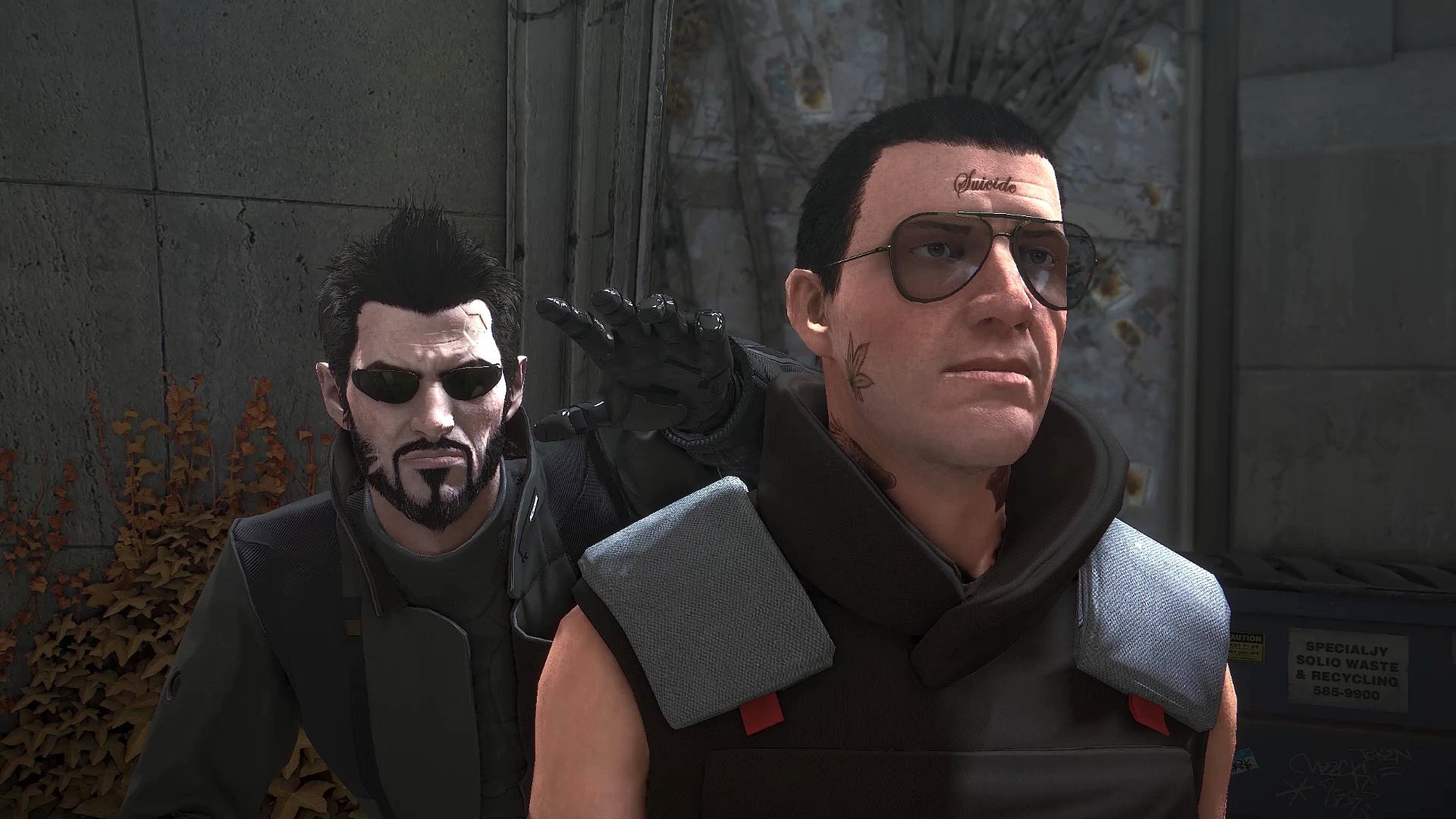
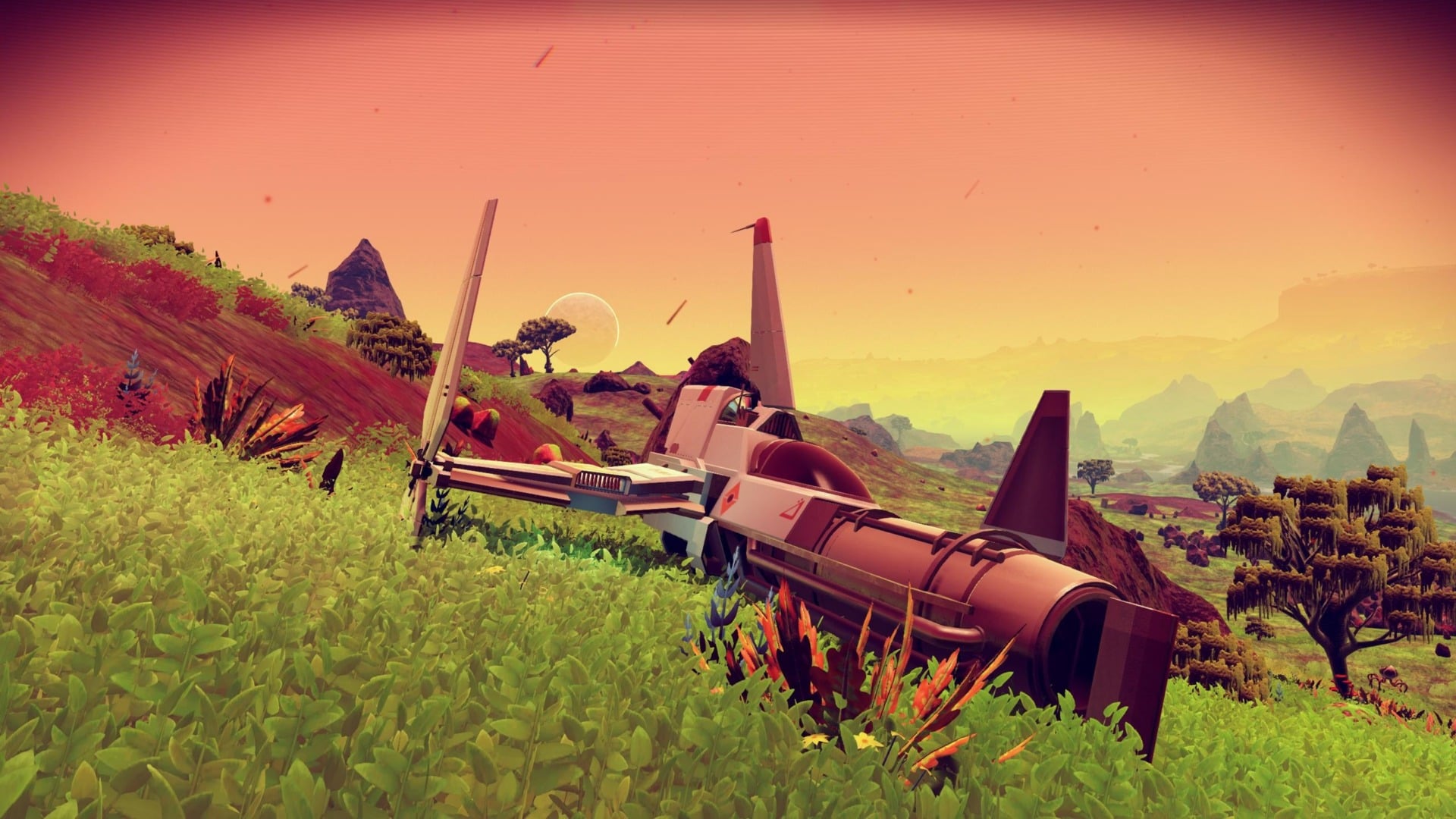
Both of my most recent Kotaku reviews were of games I played twice. With Deus Ex: Mankind Divided, I was able to slap some restrictions onto my fully leveled up character and as a result had a much better time toying around with the game’s open-ended design and artificial intelligence. With No Man’s Sky, I radically shifted my approach to the game and in the process, found something fascinating rather than frustrating.
I appreciated both games more when I slowed down and took my time. That was much easier to do, because I’d already played once. I already know where things were going, and I could enjoy the journey much more. Related to that…
I better appreciate the craft.
When I slow down and take my time, I’m able to better appreciate the amount of care and craft that went into the game. When I play through a big-budget game, I occasionally feel mortified by the amount of carefully created stuff I blow past on my way from point A to point B.
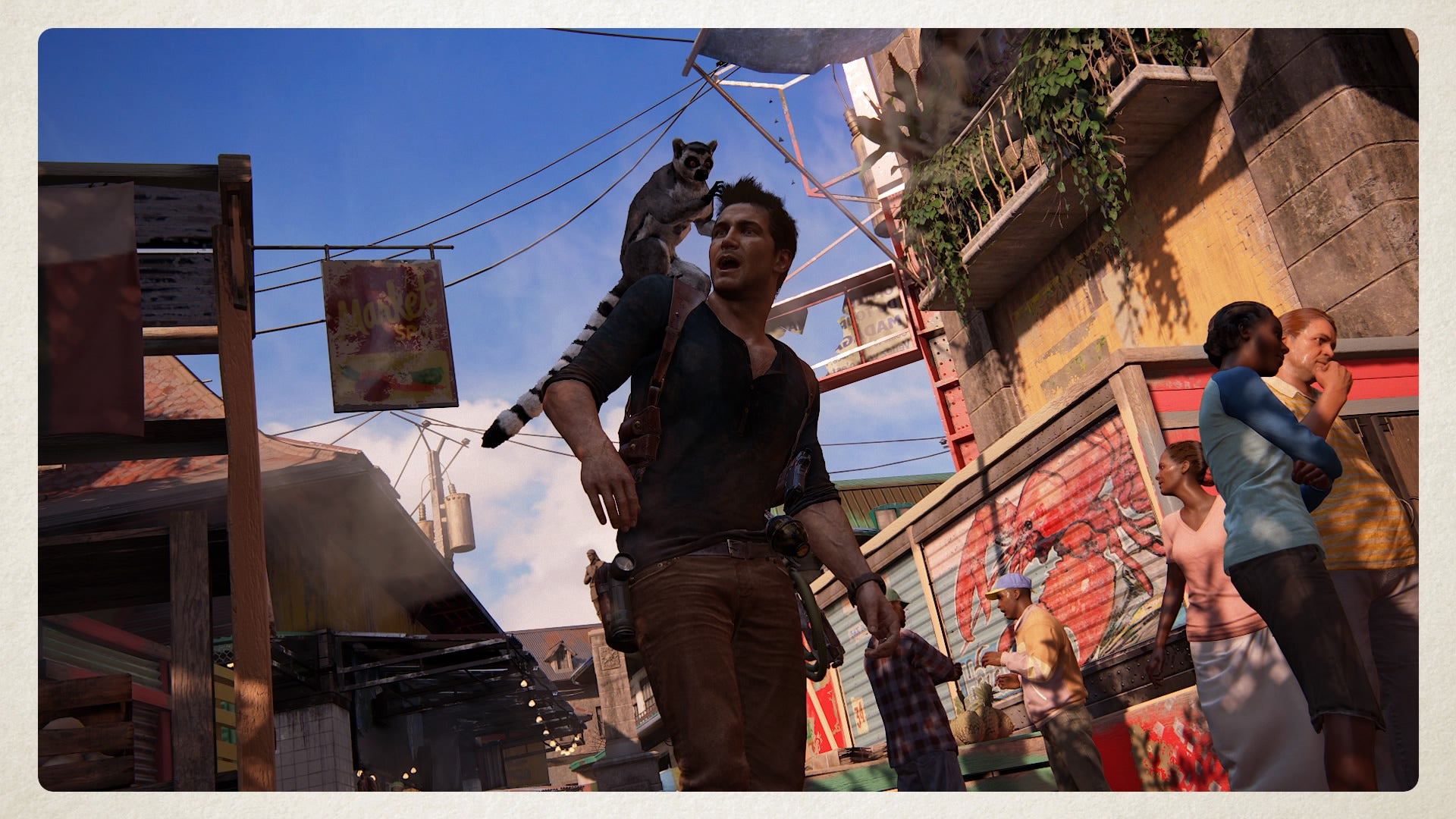
I played Uncharted 4 over the course of a weekend, and by the time I finished I felt like I was coming down from a 12-hour sugar rush. So much beautiful stuff! So many unique tricks and one-off contraptions! I’ve been slowly replaying that game since then and have a much better appreciation for the amount of care that went into creating so much of the game.
I had a similar experience with Inside, a three-hour side-scroller that is one of the best things I played this year. My first time through the game was defined by shock and surprise. I wouldn’t trade the experience—simply crying “no WAY” as the game managed to top itself again and again—but my second playthrough was ultimately more satisfying. I was able to slow down and appreciate the absurd amount of detail and polish that the developers at Playdead put into every frame of the game.
I can talk about it without fear of spoilers.
If you’re replaying a game, chances are it’s been out for a while. Everyone who really cared has already played it, which makes it much more fun to talk about it with your friends and with other people online without tapdancing your way through a spoiler minefield.
I understand and appreciate the need to be careful about spoilers in public conversations, but nothing kills discussion of a game faster than when someone at the table interrupts you and says “no spoilers!” On the flip side, few things are better than when everyone has played a game and you can finally get into the nitty-gritty of who lived, who died, and what it all meant.
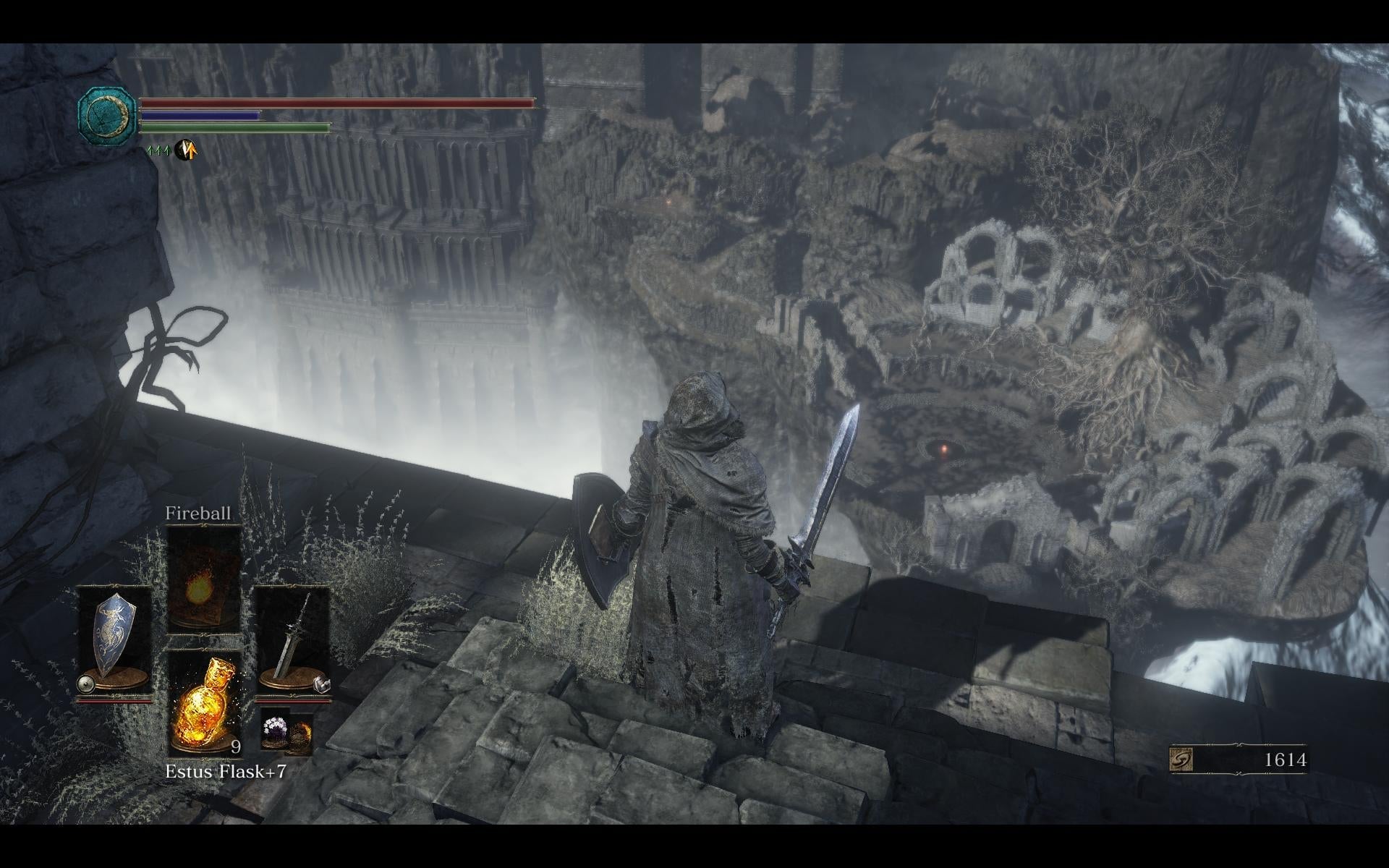
It goes beyond story spoilers, too. My first time through a Souls game, I like to figure everything out for myself. Where are the hidden items, how do you beat that boss, what do I do with that weird guy in the armor by the well, and so on. My second time through, I’m happy to read guides and find things I’ve lost.
The first run is exciting and engrossing; the second is revealing and satisfying. I love both ways of playing, and neither would be possible without the other. But it’s easy to only play it the first time and miss the second time through entirely.
I can achieve mastery.
In order to really appreciate most games, I have to get good at playing them. Many narrative games are structured so that they’re teaching new things right until the end, meaning that you don’t actually have long to revel in your mastery of the various tools and systems before the credits roll. Many narrative games are also structured so that you can muddle your way through them even if you don’t really know what you’re doing.
On subsequent playthroughs of a given game, I often have a much better time simply because I’ve gotten better at playing. I begin to play with style, and what was at first a brute battle for survival becomes more of a performance.
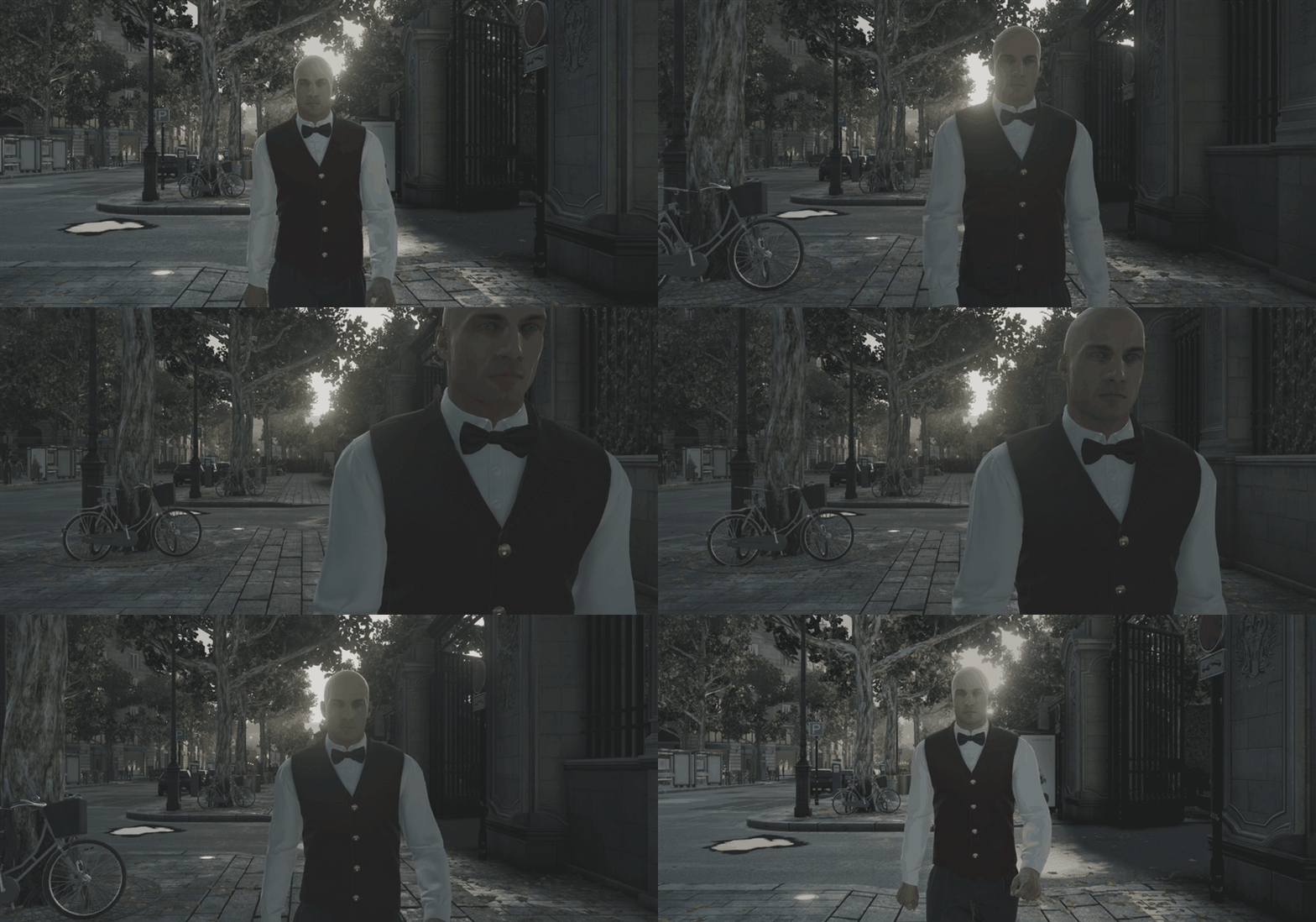
Souls games build this into their structure by forcing you to play and replay the same levels until you’ve mastered ever inch of them. It’s also something the new Hitman does by design. Because the game’s release structure strongly encourages me to play and replay levels, I’m able to become the unstoppable killing machine that Agent 47 was supposed to be from the start. (I talked about this kind of thing in a recent article about how fantastic Hitman has become, and it’s also discussed in a good video from Mark Brown of Game Maker’s Toolkit.)
I can replay it with better PC hardware.
This one’s a little less abstract and a bit more practical, but hey: one of the reasons I love replaying games on PC is that I can see how much better they run on newer, faster hardware. I’ve said many times over the years thatone of the best things about building a new PC is loading up games that used to give your rig a hard time and watching them run without a hitch. It’s still fun, and it’s one of the best things about PC gaming.
I’m more likely to meet the game on its own terms.
Any time I come to a new piece of media, I almost always arrive with some expectations and preconceptions. It’s almost impossible not to, given our age of trailers and pre-release hype. When I replay a game, I feel much more removed from the weight of those expectations, and consequently find it easier to meet the game on its own terms.
I can’t tell you how many times I’ve only come to appreciate a game after replaying it. Part of that is unique to me as a person who writes game reviews. Do this long enough and you learn how to make qualitative judgments of a game after a single time through. But over that same amount of time, you also learn just how commonly you’ll come to better understand and appreciate a game once the noise has died down and you’ve had time to play it again.
Video game culture has a pronounced bias toward the new. We talk about “piles of shame” and backlogs as if the new games we’ve yet to play are something to feel guilty about. If someone hasn’t played a game we love, we shame them for it. “Oh, you haven’t played that? You have to!”
This state of affairs is partly the result of gaming’s hype-addled preorder culture. It’s also because games are at the cutting edge of art and entertainment, and we never know when the next brilliant new idea will emerge. Lots of us only have so many hours in the week to spend playing games, and it’s only natural to want to use that time in the “best” way.
To be a gamer is often to be an innovation junkie, and we’ve gotten so many good fixes over the years that we’ve structured ourselves and our communities around it. So I am here to say: Nuts to that! Long live the replay! Your favorite games only get better over time.