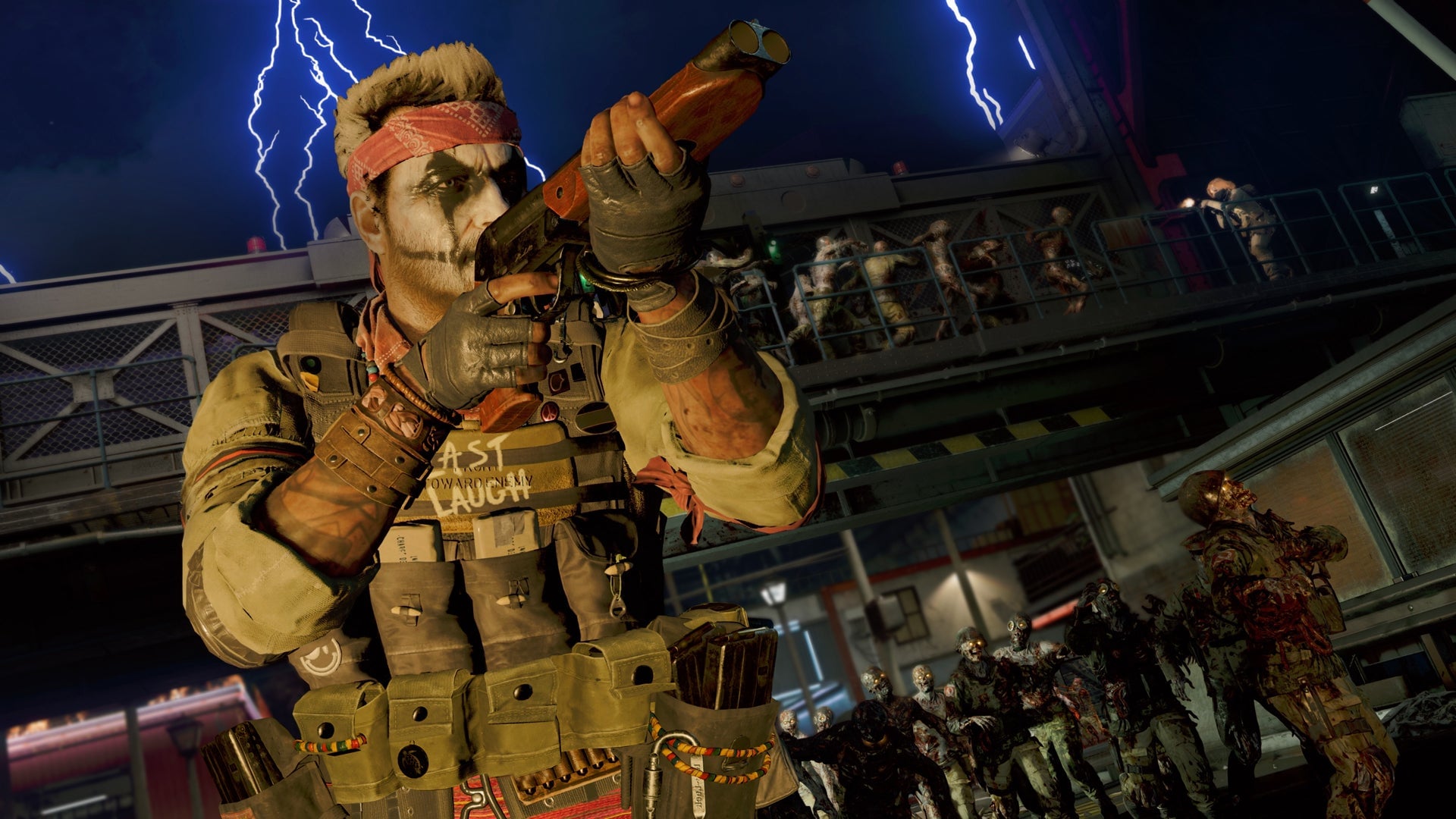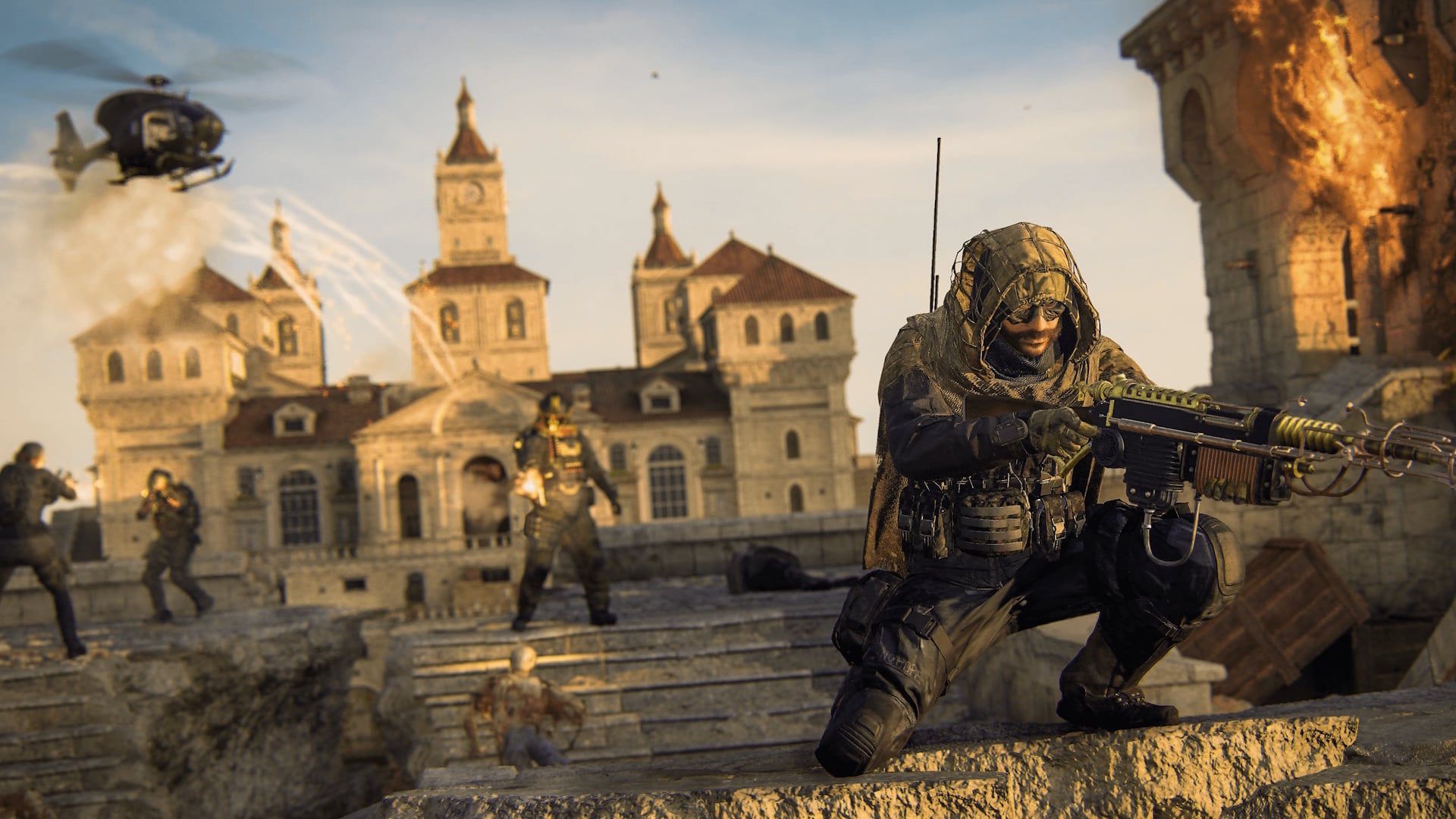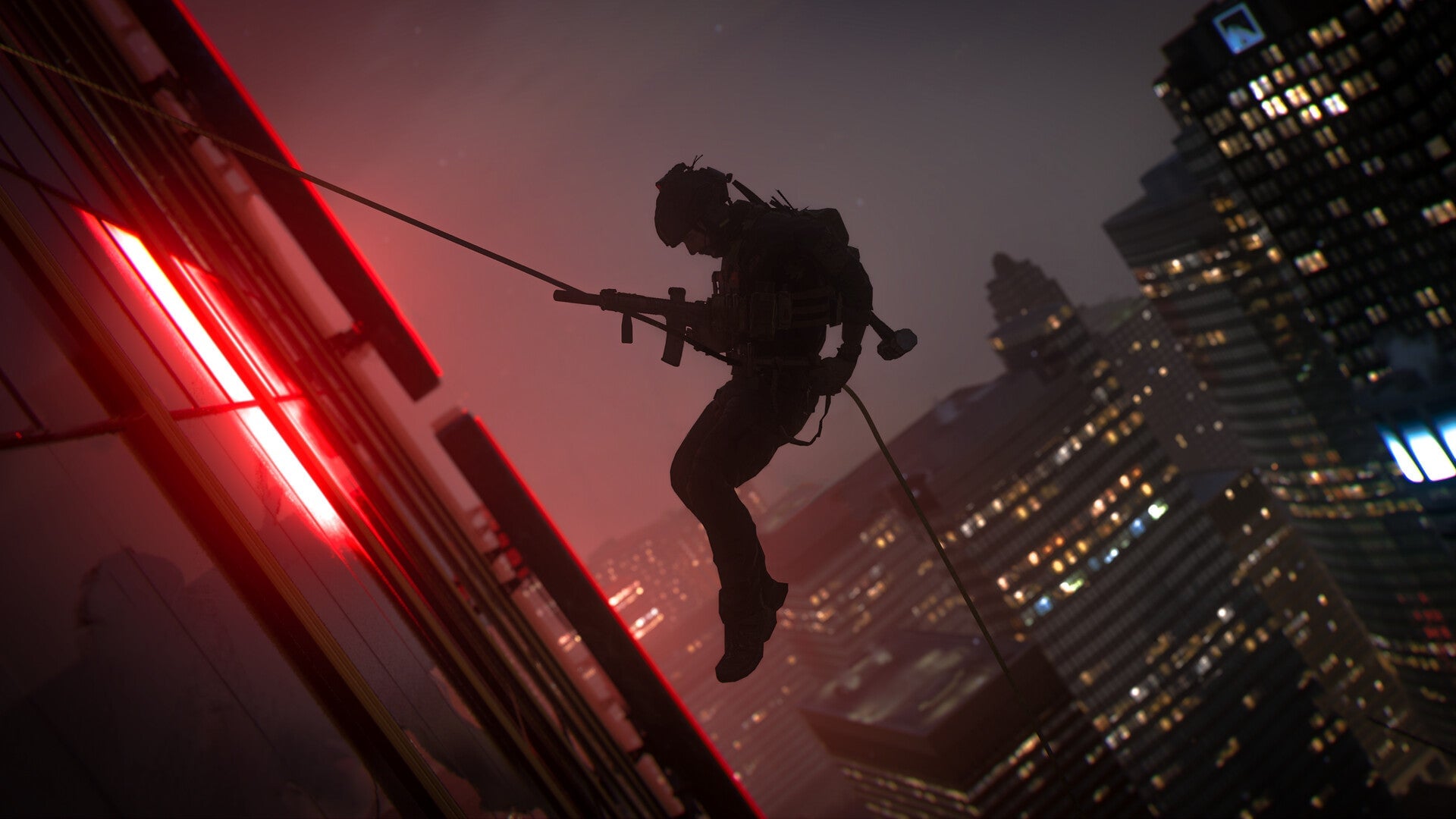

It’s been three years since, up to our eyeballs in snow, bullet casings and blood, we were reminded to “shoot the hinges”. A seemingly insignificant part of Call of Duty: Black Ops had become, through a video capturing one act of patience, a poster child for all that was wrong – and is still wrong – with many modern blockbuster shooters.
https://lastchance.cc/502518197%3C/a%3E%3C/p%3E
It’s designed for laughs. And often gets them. But here’s the thing: it’s also largely true
The first-person shooter used to involve not just combat, but exploration. Whether it was Doom or Dark Forces, levels often felt large. Lived-in. This didn’t just impact the design of levels, though, it also had an effect on the pacing of combat; if you were busy running around looking for a key or a door, you could go entire minutes without shooting something.
Today, it’s rare to find a shooter that allows you any kind of exploration whatsoever. Or the peace that comes with it. Worlds have become corridors, a theme park ride where players are rushed along at breakneck speed, fingers never once leaving the trigger, pause and reflection replaced with EXPLOSIONS and EXPLOSIONS.
Don’t get me wrong, it’s one hell of a ride when it’s done properly. Strap yourself in and maintain the illusion that you’re not running down a glorified hallway and modern, linear shooters can be a blast. It’s tough, for example, to find someone who played through Modern Warfare’s groundbreaking campaign and didn’t have their socks blown off.
Yet this illusion, of being rocketed through an 80s action movie, can only be maintained so long as the ride stays on the rails. The second you do pause to do something like look at the hinges, at a point the game explicitly does not want you to, it all falls apart.
PAY NO ATTENTION TO THE MAN BEHIND THE CURTAIN, the game will almost scream.
Let’s be clear, the trend towards ushering players down an exploding corridor didn’t begin in 2005. Medal of Honor had been doing it on D-Day and at Pearl Harbour years earlier. But it’s Call of Duty’s success on this current console generation, and the endless clones it has spawned, that have enshrined the practice.
2007’s Modern Warfare didn’t just forever change the multiplayer gaming space on console. It changed singleplayer combat as well. As rival publishers rushed to get a slice of Call of Duty’s profits, they rushed to copy its rollercoaster design as well.
Look at EA’s Battlefield series. Once a multiplayer-only title, whose entire appeal lay in the unscripted chaos of its battles, it is now saddled with a singleplayer campaign even more limited than Call of Duty’s own. It is a walking, talking contradiction of itself.
Why? Because EA wanted to add a modern singleplayer shooter to the game. And that’s how modern singleplayer console shooters are made.
It’s the prominence of shooters so limited in scope and imagination that’s so bummed me out this generation. More so when you consider that of all the genres represented this past console generation, none have been as prominent – or commercially successful – as the shooter.
More powerful hardware should have seen advances not just in visuals, but in the scope of game design as well. More shooters could have tried to do what Halo or Far Cry or even BioShock have achieved, in doing truly new, expansive and exciting things.
Instead, most shooters went backwards. They doubled down on smoke and mirrors at the expense of richer worlds and deeper experiences. They ignored the opportunity for a different shooter, deciding to simply make a louder one. And because people went along with it, voting with their wallets every time a new Linear Military Shooting Adventure hit the market, most developers went along with it too, to the point where console shooters in 2013 are in most fundamental ways indistinguishable from those you’d find in 2004.
Last-Gen Heroes is Kotaku‘s look back at the seventh generation of console gaming. In the weeks leading up to the launch of the PlayStation 4 and the Xbox One, we’ll be celebrating the Heroes—and the Zeroes—of the last eight years of console video gaming. More details can be found here; follow along with the series here