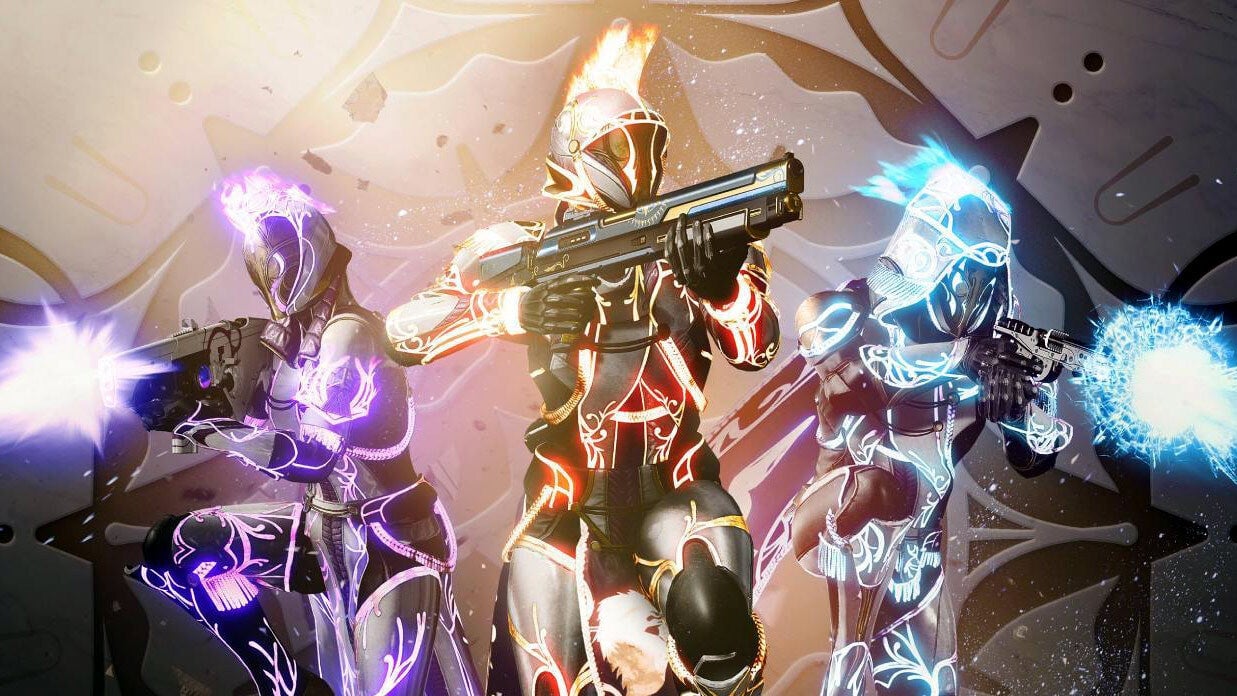
After spending the better part of two years covering the mobile gaming beat for Kotaku, I found myself puzzled over the anger surrounding the free-to-play features and rating policies of EA Mobile’s new Dungeon Keeper game. Then it hit me — you guys must be new.
I do understand the anguish over what feels like the misappropriation and bastardization of a beloved franchise. Dungeon Keeper and Dungeon Keeper 2 were, for many of us, our first introduction to strategy gaming. They were deep and thoughtful. We made memories with those games — memories many of us feel are being shit on by EA’s choice to make this mobile monstrosity. I feel that pain, as keenly as I felt my own when EA released Wing Commander Arena. Hands off my favorite franchise, you maniacs!
Of course they aren’t our franchises, technically. As much as it feels like we own a part of the games we love, those rights are out of our reach, and all we can do in situations like these is hope that someone comes along and does for Dungeon Keeper what Chris Robert’s Star Citizen is doing for Wing Commander — making the game the fans want, even if the name is a bit different.
Where my understanding of the outrage falters is in regards to the features that have become staples of mobile gaming over the past couple of years. Features that seem so common to me that when I sadly review a game likeDungeon Keeper, mindful of its dying roots, and call it not a bad example of the genre, I get called “corrupt” on Twitter.
https://lastchance.cc/its-not-classic-dungeon-keeper-but-its-not-all-bad-1512585247%3C/a%3E%3C/p%3E
Free-to-Play, Pay-to-Win
Here is a game. You can play it for free. You can play it more/better if you pay some cash. It began on Facebook with games like FarmVille and Mafia Wars, and spread like wildfire. Players can pay to complete quests in free-to-play games. They can spend money on more powerful weapons or minions. They can skip large portions of gameplay via careful application of cash.
I’ve been playing free-to-play games on Facebook and mobile devices for years now, and I’ve spent maybe $40 across more than 100 different titles. That’s what, $2.50 a game? That seems fair to me.
Of course other people spend a lot more without blinking an eye. Their loss, I say. A good free-to-play game (see Plants Vs. Zombies 2) provides plenty of free entertainment for the patient. For me it’s the pay-to-win games that get me right in the gamerspot. If it gets obnoxious, I don’t play.
“But it’s a free game!” So? Doesn’t lessen the fact that we’re not used to/do not want people holding out their hands to us every couple of minutes asking for cash.
The Paywall
The point at which you can no longer play a free game without paying money. It used to be there was a true barrier — you could not play without paying cash — but nowadays it is used to mean the point at which you either have to wait for a timer or more energy before you can play again. A good example would be Candy Crush Saga, which stops players before each new world until they can get tickets from friends, wait out a timer or pay $.99.
It’s really a test of patience. If you play mobile games like most mobile gamers do — in short bursts between other tasks — the wait isn’t that bad.
Why Traditional Gamers Hate It: Traditional gamers do not purchase or download a game to play it five minutes at a time. If we go to the store and come home with a shiny new title, the only reason we’re playing less than ten minutes is if it was a midnight launch and we’re too tired to go on (that’s what caffeine is for). We don’t see the paywall as “oh, time to play something else/get back to work/finish having sex.” For us, it’s “why the hell can’t I keep playing this?”
Ratings Manipulation
Recently it has come to light that Dungeon Keeper on Android features a less-than-straightforward ‘rate this app’ screen. Check out this image, captured by Mike Robinson on Twitter (viaGamasutra).
Clicking the ‘1-4 Stars’ button apparently takes players to a feedback page instead of the Google Play feedback page, asking them to tell EA what they can do to make the game worth a higher ranking. Hitting ‘5 Stars’ takes players to the ranking page. That’s sort of evil.
It’s also sort of par for the course. The ratings for free-to-play games on Google Play and iTunes mean about as much as the average Metacritic user rating of a mobile game under fire for ruining a classic franchise. Have the people rating the game played it? Who knows? Were the raters coerced? There’s a good chance.
I’ve seen games that award in-game currency or special items for writing a review — that’s much worse than asking for feedback. Plus, once you make it to the Dungeon Keeper review page on Google Play (right here), you aren’t locked into that five stars.
Ultimately these ratings mean nothing, especially for a free-to-play game. People are more likely to take a chance on a game when there is no initial investment. It doesn’t hurt that everyone is talking about Dungeon Keeper right now.
Why Traditional Gamers Hate It: Because it’s damn shady. It’s a system that allows itself to be fiddled with and gamed. It’s a broken system. Mobile gamers don’t mind. They seem to enjoy broken things.
***
If features like these make you angry, well then welcome to the club. I was railing against these sorts of features years ago. I still despise the energy meter, to the point where a developer whose game I’d been keeping track of for over a year admitted they were scared to show me the beta build because it incorporated such a feature. And timers? Timers are dicks.
But again, these are all features that mobile gamers are used to, and in the grand mobile scheme of things, Dungeon Keeper is no worse than any other free-to-play base building strategy game. There is nothing in the game, aside from some temporary buffs, that can’t be accessed without paying — it’s just much harder to access it. That’s where mobile gaming is right now.
Which brings us to…
The Real Problem with EA’s New Dungeon Keeper — It Wasn’t Made For Us
When I say us, I refer to the traditional gamers. The ones who purchase games at the store or online. The ones who line up for console launches. The ones who’s second-favorite pastime is talking about the games they love online. Some of us play mobile games too — some more than others — but our hearts belong to the scent of a newly-pressed disc or the slow progression of the install meter.
I used to harbor the romantic notion that the explosion of mobile gaming would lead to an influx of new console and PC gamers. That the bite-sized games they play, many filled with features traditional gamers find downright insulting, would make them curious about the richer pleasures more robust modes of gaming had to offer.
That would be lovely, but it’s not going to happen.
The new breed of mobile gamers don’t consider their phones and tablets gaming devices. They are tools, and the games they play are just toys for those tools.
These mobile gamers play for distraction instead of passion. They are passing the time. They aren’t as emotionally invested in what they are playing, so when a meter or timer pops up, it doesn’t affect them as strongly. They have no experience paying $60 to play a game — to them, microtransactions are the way these things are done.
They’re unwise to the ways of the greater gaming world, and they won’t be wising up anytime soon. When they pick up their phone or tablet with gaming in mind, they’re going to play. They aren’t going to surf the web for forums. They aren’t looking for a gaming site to see what new mobile games are on the horizon. They’re in their own mobile gaming bubble. Games pop up on their screens. If they look interesting, they will play them. If the game’s got the right addictive formula, they’ll pay to play.
They’re odd. They’re casuals. They’re also legion.
A trend report from 2012 — two years ago — showed the total number of Americans playing games on their mobile devices had surpassed 100 million. Last year EA Mobile’s The Simpsons: Tapped Out — a game that features timers and microtransactions galore — reached $105 million in revenue. Recently GungHo’s Puzzle & Dragons, a collectible monster puzzle game heavy on the in-app purchases, reached $1 billion in sales. Again, these are games featuring mechanics traditional gamers are known to despise.
What does it mean? It means there is a massive market of new gamers out there willing to accept smaller, limited games. They are willing to invest a little cash to get their town or adventuring party up to snuff, and they aren’t put off by timers and energy meters and other free-to-play bullshit. They don’t complain. They just quietly play their games and make companies like EA millions of dollars.
Back to Dungeon Keeper then. Who do you think the target audience for this game is? The relatively small, extremely vocal minority yearning for the good old days, or the teeming masses eager for a new, colorful icon that doesn’t cost them any money down?
No one can tell me this game was built with fans of the original franchise primarily in mind. Not when its core gameplay is built on a framework of everything traditional gamers despise. Dungeon Keeper was an existing property that no one was doing anything with, which just happened to be built on concepts that could be stretched over the frame of Supercell’s Clash of Clans, a game that at one point was reportedly bringing in $2.4 million a day. Maybe EA felt they might draw in a few hardcore fans with the name recognition, but I cannot imagine the developers expected a positive reaction.
Look at this quote from the game’s senior producer, Jeff Salski, from an interview with TabTimes earlier this week.
Mythic is committed to continuously fine tuning the player experience based upon fan feedback. We’re looking at a ton of data right now to help inform that: media reviews, comments, and reviews from players, and a bunch of in-game data like downloads, and engagement. It’s too early for us to get an accurate sense of what changes might be needed, but we didn’t make this game for ourselves, we made it for the players. We know that you can never please everyone, but we want this to be a game that most of our intended audience enjoys.
That intended audience? Not us. No way.
Is using the name of a beloved franchise for such a purpose despicable? Yeah, it is. They’ve taken an amazing concept and twisted it for mass market appeal with no regard to fans of the original games. EA Mythic is the Michael Bay of video games.
Are mobile games a cancer on the game industry? At this point it’s almost a completely different industry. Two separate markets with unique tastes and expectations. Developers try to pander to both sides, but no matter how console-like their mobile games get, there will still be traditional gamers that despise it because of the platform it’s on.
https://lastchance.cc/a-cancer-thats-eroding-the-market-reactions-to-eas-1515121353%3C/a%3E%3C/p%3E
So, welcome to mobile gaming, angry Dungeon Keeper fans. You should probably just turn and walk away. While I love seeing my favorite franchises branching out onto mobile devices, incidents like this make me think that we’d be better off keeping the trees pruned. Mobile casual gamers over there, traditional gamers over here.
Just as long as they can get their own damn franchise names.