The Infected. Los Ganados. Majini. Parasite hosts. Some of the biggest “zombie” games in recent years don’t feature the undead. Why can’t we call a spade a spade, burying it in the neck of a good old-fashioned undead zombie?
This is a conversation we’ve been having fairly often lately at Kotaku Tower, mainly due to the release of the film The Crazies, which we’ll be reviewing here next week. The Crazies (seen above) features a small town plagued by a mysterious toxin, which turns humans into violent maniacs before eventually killing them.
While the Crazies aren’t technically zombies, they do share traits similar to other zombie-alikes found in recent games. What’s interesting here is that the 2010 film The Crazies is a remake of 1973’s The Crazies, written and directed by one George Romero, five years after the release of Night of the Living Dead.
So if Romero, the king of zombie horror himself, strayed from the zombie formula so soon after Night of the Living Dead, perhaps it’s no wonder that our video game maker’s opt for other explanations for why people are shambling about eating each other.
Take for instance:
Resident Evil
Didn’t Resident Evil originally have zombies in it? Sure, they were really just humans infected with various viruses, but I’m pretty sure they were still called zombies, up to a certain point. In Resident Evil 4 the zombies were no more, replaced with Los Ganados, Spanish for The Cattle. These non-zombies (nombies?) were faster and more intelligent than those in previous games in the series. In Resident Evil 5 they became the Majini, which is Swahili for not-zombies, or more accurately, evil spirit. They were smarter, faster, and still not zombies. Boo.
Dead Rising
Frank West has covered wars, you know, and he’s also covered hordes of non-zombies invading a mall in a small town. While the shambling hordes in Dead Rising were indeed dead, they weren’t really undead, their bodies controlled by a parasitic insect nesting in their brains, taking control after killing the hosts.
Left 4 Dead
Despite looking the part, the creatures in Valve’s Left 4 Dead series are victims of a rabies-like virus that causes psychosis. Perhaps they are more like the people in The Crazies than any other video game zombie-alikes.
Dead Space
No, not space zombies, as amazingly cool as that would be. Just Necromorphs, which sounds to me like the worst Power Ranger spinoff ever.
So what qualifies as traditional zombies? In our eyes, there are two main types. Voodoo zombies, which have been seen in games like Akuji the Heartless and Shadow Man, and the mysterious, unexplained zombies. The latter are the sort of zombies you’d see in a George Romero film, the product of some mysterious plague that brings corpses back to life, or perhaps hell overflowing.
The key is that we either don’t know why the zombies are back, or they are the product of voodoo. They also have to actually be the dead, brought back to life. None of this rabies, virus, iPhone app made them crazy nonsense.
There are a few games that have done it right lately. For example:
Call of Duty: World at War
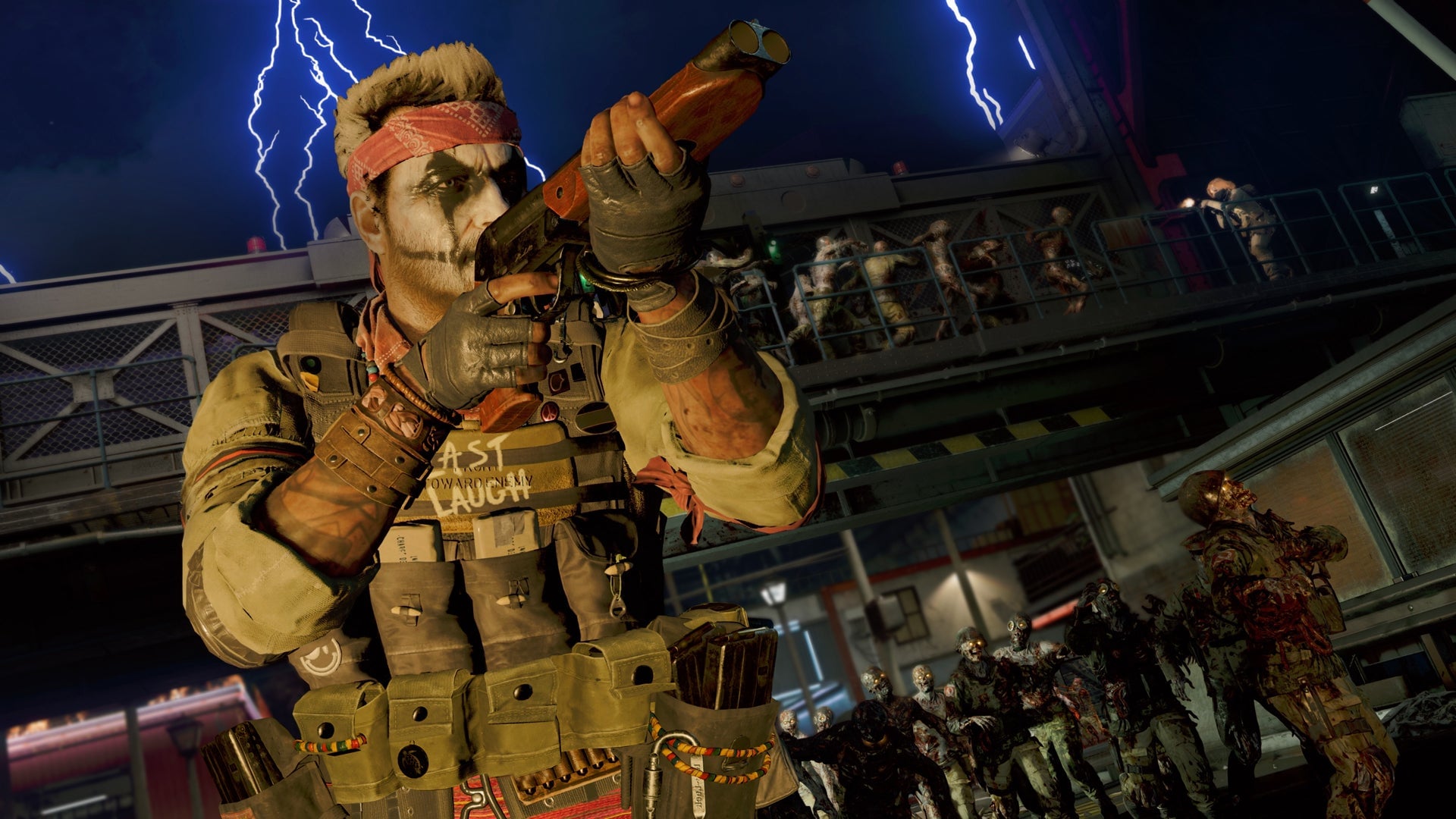
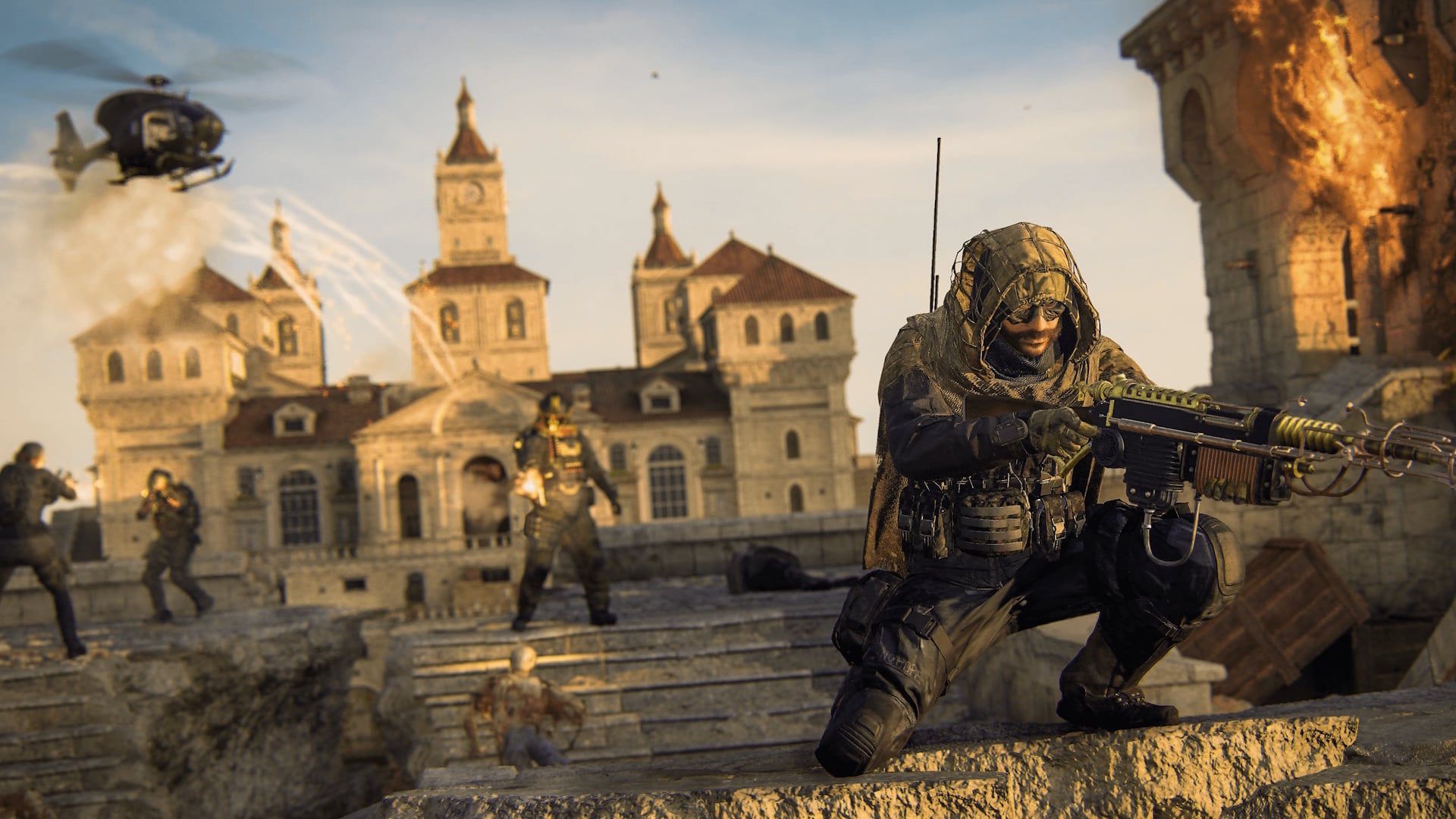
While it’s hardly a zombie video game, the zombies in Call of Duty: World at War’s zombie maps are never really explained. The dead have risen, you have to kill them, end of story. Considering it takes place in the middle of World War II, I’m going to assume hell is overflowing. War does that.
Plants Vs. Zombies
Indie developers don’t seem all that hesitant to throw about the word ‘zombies’ whenever possible. Perhaps they feel they are below the radar from the imaginary zombie police, or maybe you don’t really need to know where the undead in Plants Vs. Zombies come from in order to have a good time with it.
With those criteria in mind, what are your favorite zombie video games, and do they actually contain zombies? Be wary! Even the most convincing shambling, brain-munching creature might simply be a guy with a really, really bad cold.