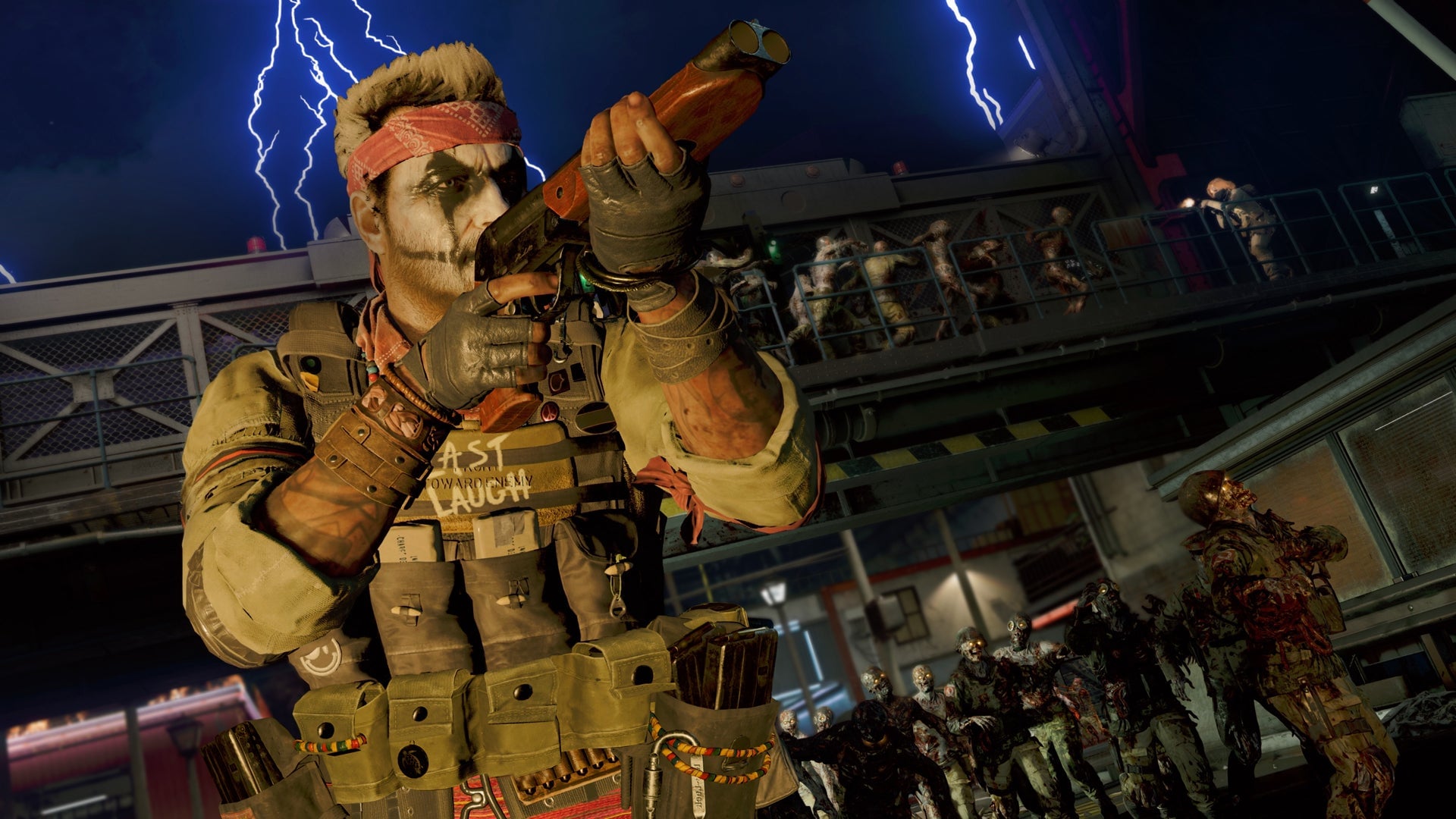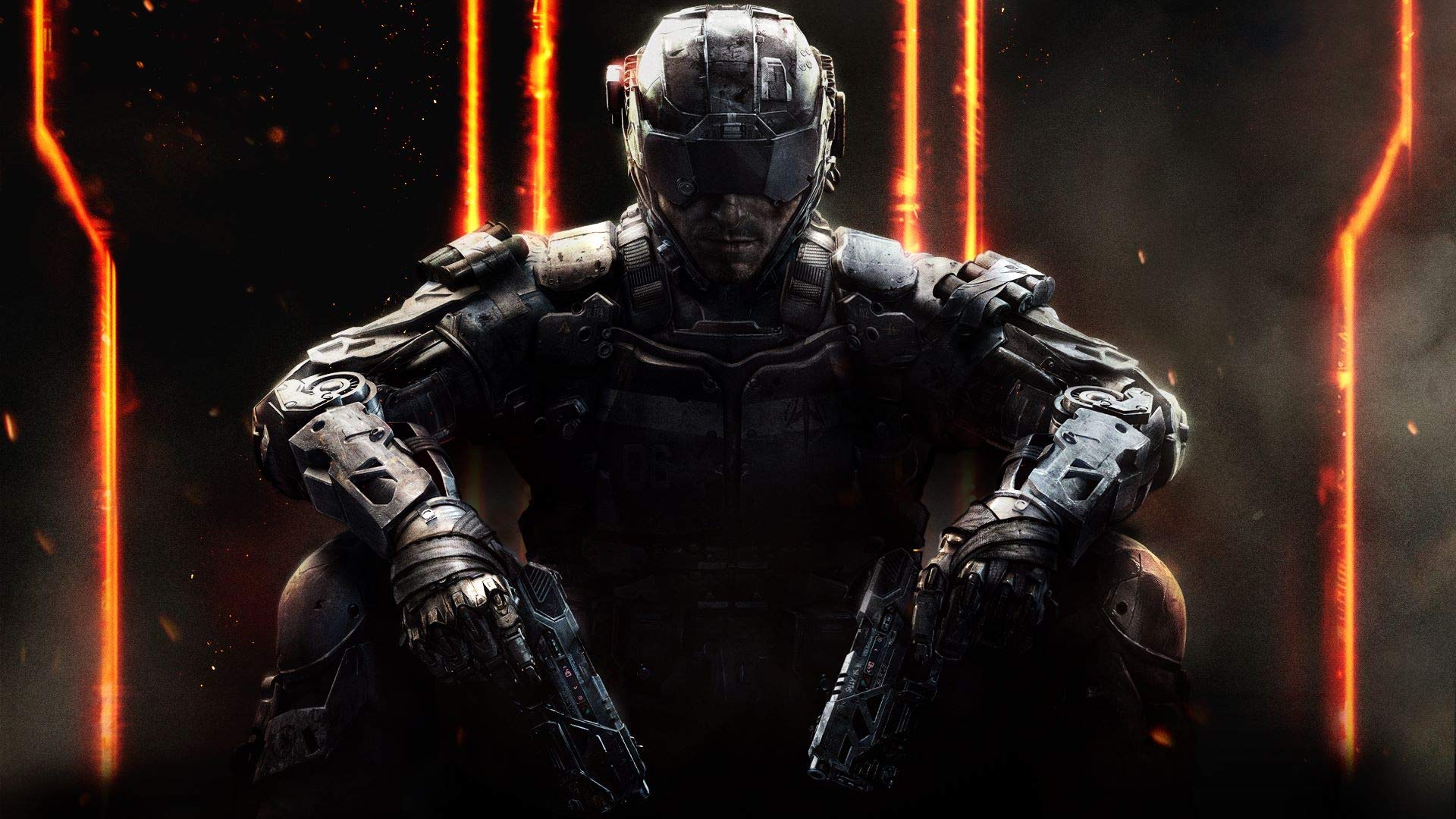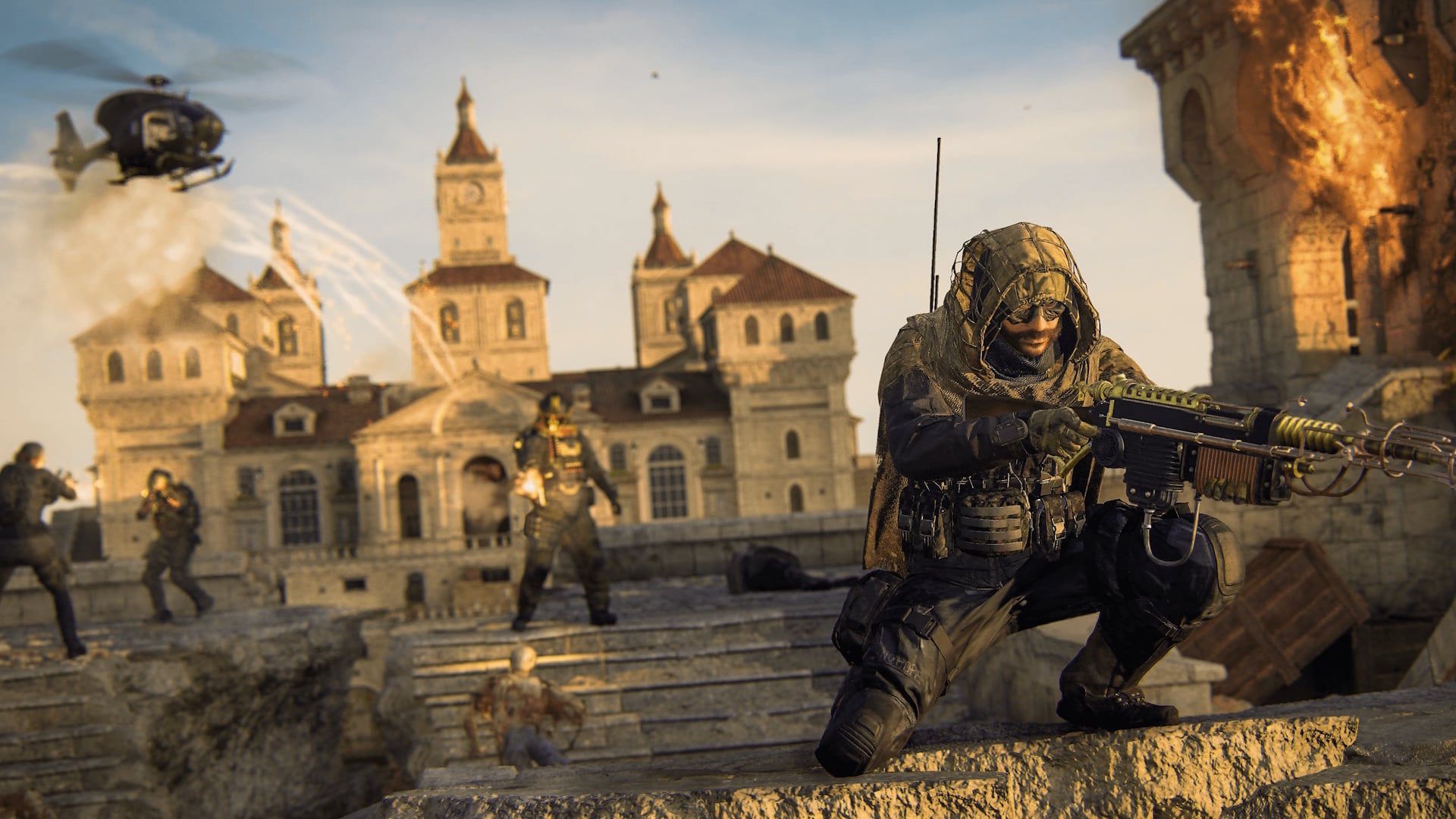
A few days after the release of Call of Duty: Black Ops II, the first-person shooter game’s publisher, Activision, released their annual braggadocious press release about the success of their most successful video game series.
“Life-to-date sales for the Call of Duty franchise have exceeded worldwide theatrical box office receipts for ‘Harry Potter’ and ‘Star Wars,’ the two most successful movie franchises of all time,” the news blast quoted Activision CEO Bobby Kotick as saying.
Kotick’s boast may have impressed the kind of people who are impressed when someone declares that there are more apples than there are oranges. The CEO, after all, didn’t dare factor in the VHS, DVD, Blu-Ray and download sales of the Rowling and Lucas juggernauts. He said this to make Activision look good, to impress Activision stockholders and to declare—as people who play, make and, yes, report about video games so often do—that video games are a really big deal. Like, they’re such a big deal that they make as much money as movies. So you should take them seriously. And…
The people who love games or make money off games just might seem to have a bit of an inferiority complex, it seems to me. They—we—want to prove to the world that games are a big deal. And when it comes to first-person shooters, I sense there’s even a bit of embarrassment, a bit of anxiety that non-gamers, outsiders, old people, politicians, critics, whoever, are repulsed by the violence in these games.
And look how crassly commercial these shooters are! They’re not gaming’s Oscar contenders, right? They’re the action movies, the schlock blockbusters. Or… are they? Perhaps they really are some of the best things gaming has to offer. That’s what I’ve been thinking about in this season of a yet another new Halo and yet another new Call of Duty
How can all these gamers enjoy all this shooting? Why would we enjoy it? Why do we?
Last week, in The New York Times, I tried to explain why I think shooters are so popular, why they work so well in video games.
I wrote, in part:
Shooting in video games is ultimately the connecting of Point A to Point B, the elimination of one set of shapes, representing the enemy, from a TV screen to keep another arrangement of shapes, representing you, illuminated and ready for the next encounter. A good shooter game is a laboratory for tactical decisions and a test chamber for your reflexes and wits. It’s armed checkers or chess with no resting for turn taking.
…
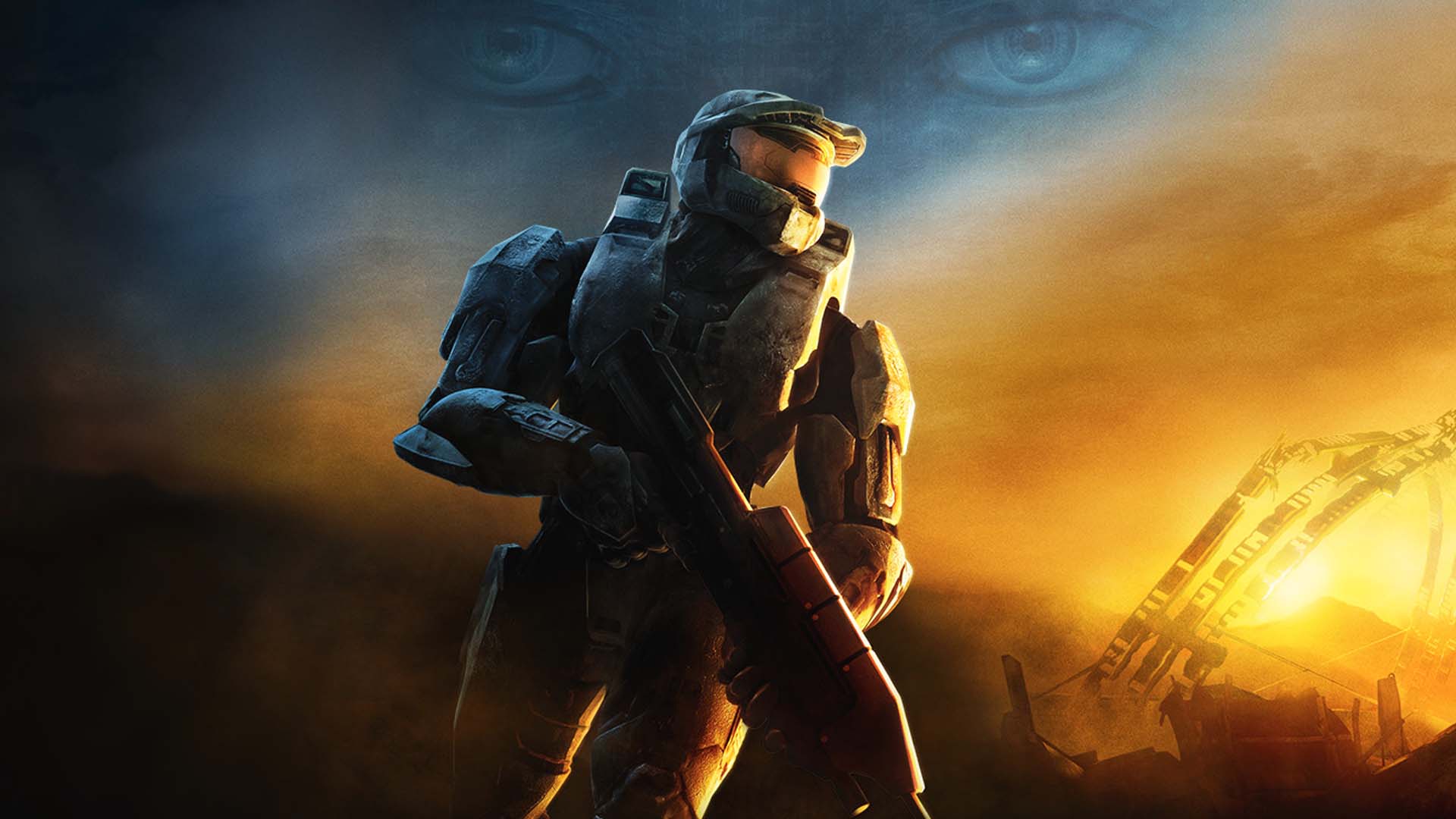
Someone once said that video games were really just about cleaning, about finding the right tools to scrub enemies from a scene. In Halo games the vacuum, mop and dust rag have been the gun, the grenade and the melee. Recent versions have added equipment like jetpacks or, in Halo 4, a floating sentry turret and glide jets, among other things. The typical encounter has involved approaching an enemy force and maybe tossing a grenade to make it scramble or drop its shields, then shooting it to soften it up further, then running in to punch it, then hanging back to heal rapidly.
…
The best experience [in Halo] involves cranking the difficulty to Heroic and engaging a set of enemies, trying new strategies repeatedly and scavenging weapons or equipment from the battlefield until the right solution is found, and the enemies are dusted. These phases of stressed decision-making are training for the more unpredictable encounters with rival players in the competitive multiplayer mode. A good minute of Halo combat is like a good minute in the gym: The rest of your life is momentarily forgotten while you sweat it out, and then you’re happy that the challenge is done, and that you are in some way improved.
Shooters, I was saying, are some of the best games for letting us make decisions. Given my feelings about good games being those that let us make interesting decisions, of course I’d see a whole lot of value in playing shooters.
https://lastchance.cc/the-difference-between-a-good-video-game-and-a-bad-one-5924387%3C/a%3E%3C/p%3E
I got a lot of feedback on the Times piece, pro and con.
One reader said I was being intellectually dishonest and argued that people like shooter games because of their depictions of violence. We enjoy the sensation of pretend-killing, I think they were implying. We relish the gruesome depictions of dominance. In this line of thinking, we’d experience some greater primal thrill from shooting the head off a human avatar than a robot avatar. We’d favor games that let us feast on crude conquest. They didn’t say all that, but I think it’s worth thinking about just how much the depictions of violence thrill us when we play. It would be intellectually dishonest to say that the thrill of seeming to inflict pain isn’t part of some people’s enjoyment of shooters.
Some readers complained that I was celebrating shooters, a dominant genre of video games, at the expense of focusing on indies and alternate genres. That was more of a media complaint, I think, a concern that the Times wasn’t giving space to more creatively daring and unusual games. I quibbled with that, since the Kotaku-provided coverage of games to the Times this year has showcased many indie and unusual works.
But in this criticism I found a good note of caution. Shooters are successful at what they do, to be sure, but shooters also flood the market. There are just so many of them, so gamers become more exposed to them, wind up liking them, buying them, essentially voting with their wallet for more of them. This cycle generates an abundance of ever-improving shooters. All these shooters provide so many points of access to the genre that the FPS winds up having an unfair advantage over other types of games—over other laboratories for interesting decisions. It’s not the only genre that compels players to make choices. I do think, though, that it’s the genre that compels players to make the most rapid and instinctive choices and that provides some of the most immediate feedback to those decisions. As soon as you’re been faced with a problem (an enemy), you’re making dozens of choices about what to do about that: turn, rush, reload, aim, shoot, grenade, melee, retreat, focus, call for help, etc. That’s why I believe shooters deserve special attention.
In response to my article, Kotaku reader DocSeuss liked the piece and wrote a lengthy appraisal of shooters over at the NeoGAF message board. With his permission, I’m running it here:
Most people don’t understand shooters, and, to be honest, I think most shooter devs don’t understand shooters either, which is where games like Medal of Honor come from. They’re smart games for smart people. Sure, they’re easy to understand, pick up, and play, and they’re particularly great if you’re impatient or don’t have much time, which means that they can appeal to a broad range of people, but they actually require some of the most intelligent thought of their players.
In comparison to shooters, there isn’t all that much intelligent in planning your next move in a turn-based game, because ultimately, you’ve got time to think. You’ve got room to breathe. The longer you can think, the better your decision is likely to be. It’s not to say that turn-based games are dumb, because that would be a really stupid thing to say. They absolutely can require a significant degree of intelligence on the part of the player. However, the only real intelligence players are using in a turn-based game is generally logic/mathematical (with a degree of social), which I personally don’t find nearly as stimulating as the type of intelligence that shooters provide.
I find that, quite often, the people who belittle shooters make arguments like this: “well, shooters are just about pointing and pressing a button.” Bad developers seem to think that this is the case as well, which is why their shooters are good.
Chess is a fairly easy game to understand, for instance, but it would be absurd to say “chess is a dumb game for dumb people because it’s really simple to pick up and play,” yet people say this thing about shooters all the time.
Here’s how shooters utilize various areas of player intelligence:
(SORRY I REALIZE THIS ISN’T AS BRIEF AS I THOUGHT)
Logical-Mathematical: Shooters are about resource management. How much ammo do you have? How much ammo will you be expending? What benefits can you purchase with the currency of your ammunition?
Spatial: Where are you in relation to everything else? Where are the enemies shooting? Where are the enemies going? Where are you going? Where are you shooting?
Social: How can you ensure that your enemies do not send death your direction, and how can you game them into moving into your line of fire?
Bodily-kinesthetic: How can you move within the area you are navigating with your spatial intelligence?
Oh, and you’re doing this on the fly, which adds the pressure of real-time to you.
Are you denying the right area? How much ammunition do you have left? How can you usher someone into the right kilbox? Will that enemy who disappeared attempt to flank you?
When playing a shooter, you are considering this stuff all the time. Sure, anyone can play a shooter, but to be good requires a significant amount of intelligence and dynamic mental gymnastics on the part of the player.
They are absolutely some of the smartest games out there. I don’t care about memorizing button combinations or spending minutes planning out my next move in an RPG. That doesn’t require much intelligence of me.
Shooters? They require a lot. Smart games for smart people. Awesome.
I nodded my head to much of that.
After the Times piece ran, I heard from a booker at National Public Radio. They hoped I could talk about the appeal of shooters on Talk of the Nation, the kind of genteel but worldly show on NPR that doesn’t often involve talk of kill-death ratios. The conversation went well. (Listen to it here.) I heard from folks who said they were finally able to understand why their kids liked shooters.
Maybe people will finally get the importance of the FPS in terms that have nothing to do with how much profit they earn a CEO but in how valuable the experience of them is to a gamer.
***
So, what to make of the shooter? What to make of why we like them?
We should sometimes be alarmed by first-person shooters. I think their celebration of gruesome violence should be disconcerting and that we shouldn’t be desensitized to images of pain—or that we should at least be frank about what we like about them. We should also be alarmed at how much time and money is spent on these things when surely there are other wonderful types of games to spend as much time and money making and playing.
I don’t think shooters are always the best video games, but I think shooters are great at showing what video games are best at doing.