A YouTube video about relabeling cartridge games opens up a whole can of worms on the ethics of how to restore old, worn-down video games.
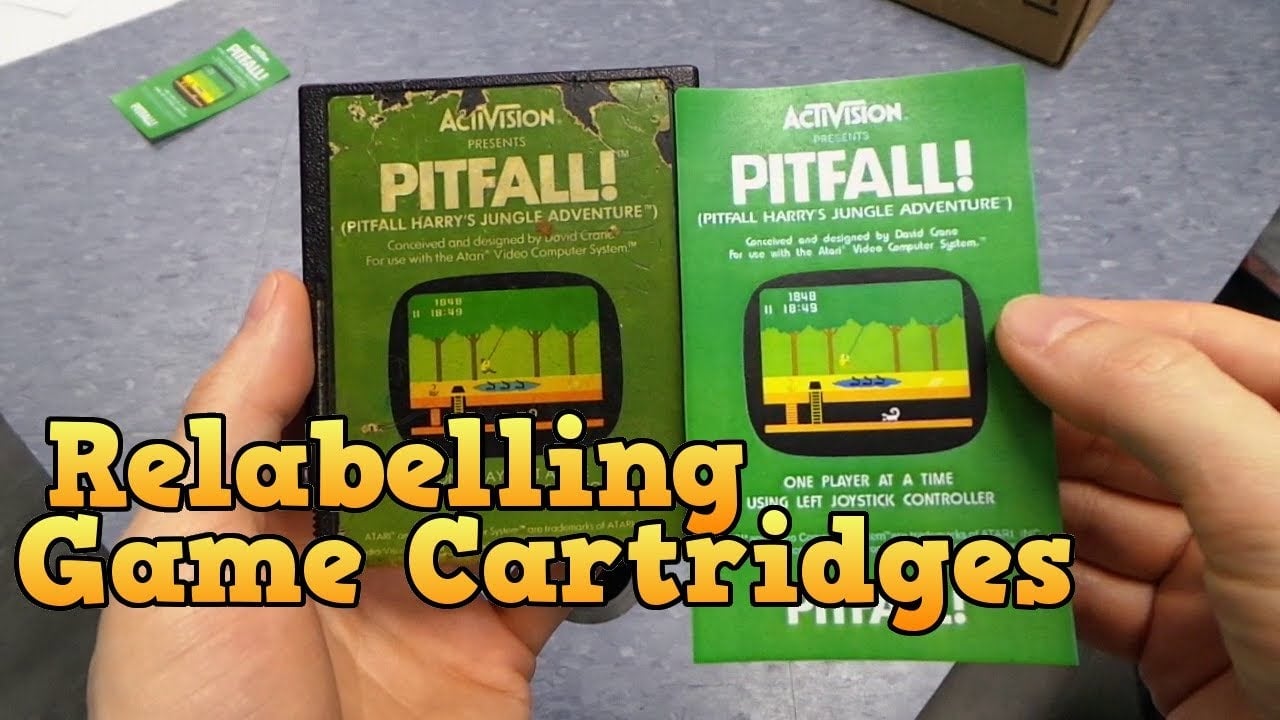
The 8-bit Guy, a hobbyist retro game collector, released a video yesterday detailing his methods for restoring and relabeling old cartridges he’s bought. Being a hobbyist, he documents his experiments with different methods of printing and adhesives. Specifically, he redrew the labels from scratch, removed the old label and then applied a new one. It’s an interesting watch, but the comments section has turned into a polite, if very passionate, conversation about whether or not he should have replaced the labels, especially in the way that he did.
“When I do these restoration videos, there’s always someone in the comments complaining that I should have left it the way it was,” he says in the video. “Even when you look at classic cars, is it wrong to take an old rusty classic car from the 1950s and repaint it so it looks new?” He also compares this process to caring for old coins, saying that some people prefer to keep them tarnished, while other prefer to clean them.
“Ultimately what it comes down is that these are my cartridges and I can do whatever I want to with them,” he says. “I can roll them over with a steamroller if I want, and I have done that in a previous video.”
No one can argue against the fact that these are his cartridges and he can do whatever he wants with them, and the finished product does look like it’s brand new. But the coin collectors in the comments make sure to point out that cleaning old coins reduces their value. Numismaster.com, a website run by the publisher of Coins Magazine, says in their guide to caring for coins, “This is a good place to repeat, ‘Don’t clean your coins.’ If you don’t learn anything else from this section, this rule should be it.”
In a similar vein, most commenters note that if they were buying a vintage cartridge, they’d want to know if it had reproduced labels. In his video, 8-bit Guy says that he has no intention of selling them until maybe he’s “old and grey.” While he won’t sell them any time soon, the mere idea of relabeled cartridges sparked a debate. Patrick Scott Patterson, curator, owner and operator for preservation and research facility Archive Alley, said over Twitter DMs that relabeled cartridges are a concern for the reselling market. “Most sellers that I see fail to note that a label has been replaced and/or they charge the going rate for a nice condition 100 percent original game when they are selling something that’s not original,” he said. And even if they do disclose to the seller that the label has been replaced, does that person disclose it to the next person and does that person disclose it to the next? Probably not.”
But Patterson has other other concerns from the perspective of a preservationist. “While I can understand a collector’s desire to have nice condition items, I’m pretty strongly against relabeling a vintage cartridge,” he said. “Each game has a story to it that goes beyond just what that game is worth on a price chart or in a shop somewhere. I think part of the preservation of that item is to preserve that item’s individual story along with the item itself.”
This is a similar line of thinking to that of fine art conservationists, who have an ethical code that dictates in part, “the obligation to safeguard authenticity—a culturally relative condition associated with the fabric or fabrication of a thing or place as a way of ensuring authorship or witness of a time and place.” When I asked arts educator Hanna Exel in an email about the crossover between preserving vintage cartridges and conservationists that work in the fine arts, she said that a key practice and ethical concern is reversibility. It’s the idea that whatever you do can be undone in case the restoration was messed up in some way or if there’s an advancement in techniques for restoration. Once you remove a label, it’s pretty much gone forever, and whatever stories we may have about how these cartridges were used by their original owners is also gone. It’s not a standard that everyone holds or should hold themselves to, but it’s not difficult to understand why people invested in vintage video games would also be invested in keeping their original labels as is.
Obviously, you can do whatever you want with the cartridges you own. You can run them over with a steamroller or even relabel them, as 8-bit Guy did. But for people invested in preserving these items, leaving that crusty, partially torn-off label is the obvious choice.