One of the most interesting developments in the emulation and coding scenes in recent years has been the increasing trend in taking classic old video games and completely reverse-engineering their code.
We’ve seen fans do this for everything from Mario 64 to Ocarina of Time to Grand Theft Auto, all with varying degrees of legal opposition. The reasons for doing this are multitude; there’s the challenge of the reverse-engineering itself, of course, but also the benefits it brings, mainly in the form of being able to create genuine PC versions of classic console games, rather than relying on emulation.
What’s the difference? As we’ve explained previously, emulation relies on your computer pretending it’s an old console to run a game coded to run on that console. A reverse-engineered port is able to be built for the PC (or other platforms!) from the ground up, allowing for the seamless insertion of stuff like widescreen support and even (in the case of polygonal games) graphical tweaks like ReShade.
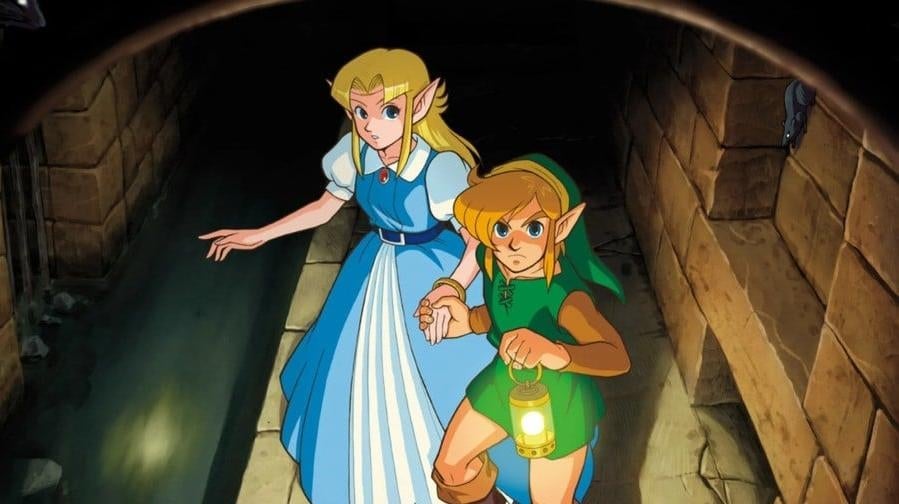
The latest game to receive this treatment is The Legend Of Zelda: A Link to the Past, first released in 1991 on the Super Nintendo and then re-released a number of times since on everything from the Game Boy Advance to Nintendo Switch Online.
As Nintendo Life report, a team of 20, led by xander-haj, managed the feat after working their way through 70-80,000 lines of code, and in the process “key enhancements have been added, such as faster transition times, speedier text, widescreen support, pixel shaders, and a more detailed overworld map. Perhaps most significantly, a secondary item slot has been added, allowing users to quickly switch between two items on the fly without having to go into the inventory screen to pick them out one by one.”
Here’s footage of the original game (running in an emulator on PC) compared to this new PC “port”:
Neat! This is now the part of the post where we point out that, legally, this is still a very weird grey area. Reverse engineering itself isn’t illegal, but the use of a company’s assets can be, and these projects are a mix of both. Only they’re also not; the creators or reverse-engineered games like this simply provide the underyling code and ask you to get the assets from a ROM yourself. This game’s description, for example, says “You need a copy of the ROM to extract game resources (levels, images). Then once that’s done, the ROM is no longer needed.”
Nintendo would argue that doesn’t matter, the creators would argue it’s an important distinction, and until we start getting some definitive rulings in disputes like this I’m going to have to keep typing this out at the end of every post about it!