Game pricing is more all over the place than it’s ever been as developers explore the top and low ends of the spectrum, as well as everywhere in-between. And that’s before seasonal sales, subscription services, and monthly giveaways. Indie games in particular used to have to fight to prove they were worth the price of admission in the eyes of gamers used to big blockbuster spectacles produced on AAA budgets. But the psychology underlying those perceptions isn’t as clearcut as some might think, according to one of the developers of 2025’s top-selling “friendslop” climbing sim Peak.
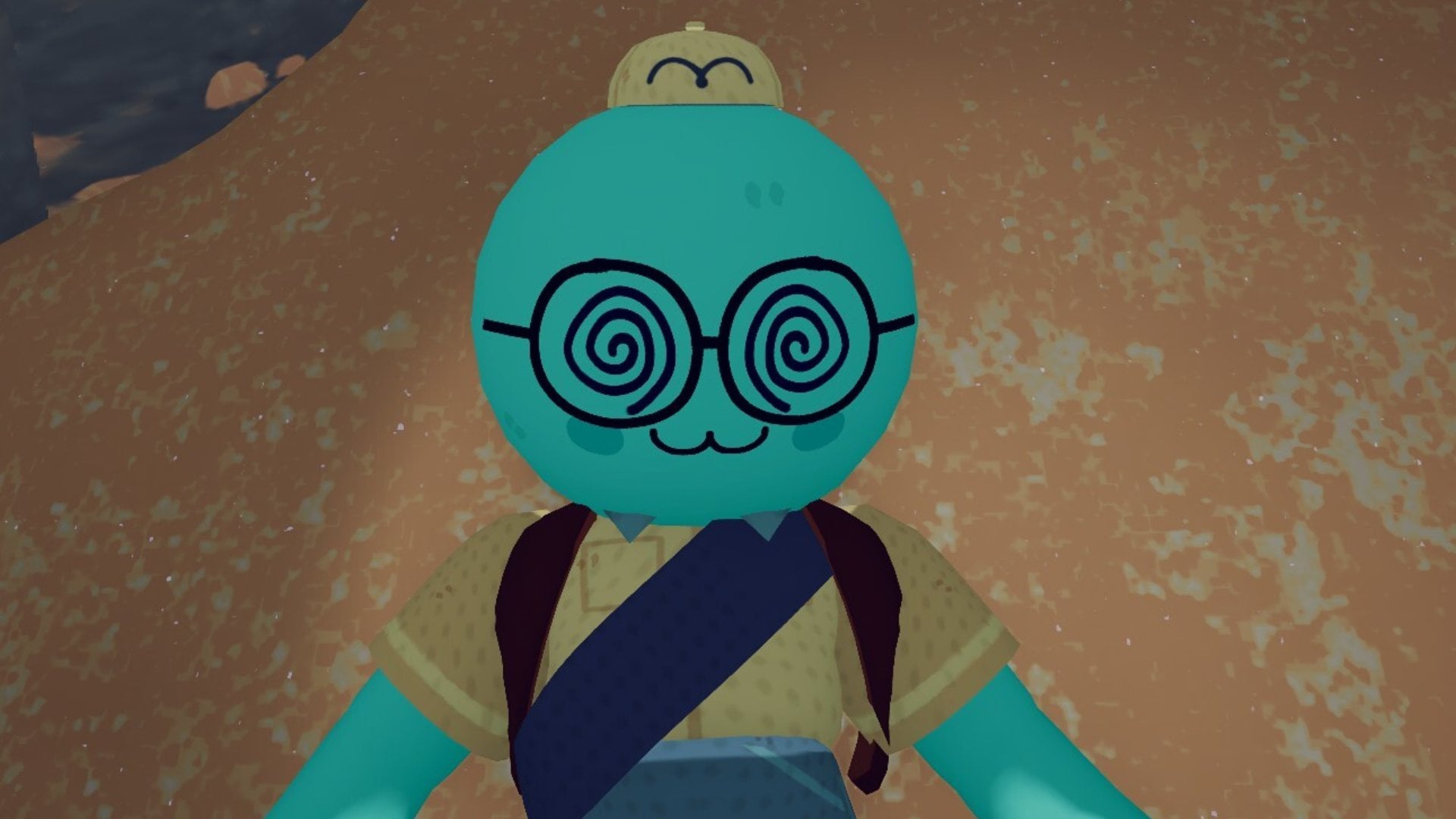
The game launched last June at a discounted sale price of $5. That was $3 below what would be it’s “normal” price of $8. Co-creator Nick Kaman recently explained the logic behind the maneuver to Game File. “We had this joke of, like, how much is a game really?” he said. “In a player’s mind, what does it mean to spend five bucks? Well, that’s five bucks. But six bucks? Well, that’s still five bucks. Four bucks is also kind of five bucks.”
He continued, “Three bucks is two bucks. And two bucks is basically free. So we’ve got these tiers: You know, twelve bucks… that’s ten bucks. But thirteen bucks is fifteen bucks. And we found that eight bucks is still five bucks. It doesn’t become ten bucks. Seven ninety nine, that’s five bucks, right? So, eight bucks going to five bucks is the biggest differential we could find in pricing, so we found it very optimal.”
The developers of Peak didn’t randomly pick $8 out of a hat. That was the price of Content Warning, another hit in the multiplayer virality sim genre. But the overall logic lines up with something game designer and Suspicious Developments studio founder Tom Francis recently wrote about indie game pricing. His take was part of a four-point advice guide for new developers based on his 15 years of experience making games like Heat Signature and Tactical Breach Wizards.
Steam indie game pricing is a “solved problem”
According to Francis, game sales are a function of three things: 1) how many people come to the Steam Page, 2) how much the Steam page makes them want to buy it, and 3) how much it costs. “We just ask people how much they think the game should cost, and every time we’ve gone with the price most people chose, and every time they’ve sold great and reviewed great,” he explained.
He pushed back against the older conventional wisdom that meeting player expectations rather than setting them would lead indie game prices in a race to the bottom. “Among the many genres and models that didn’t exist back then is the occasional janky/silly/ugly game charging $5 to encourage a kind of ‘fuck it, why not’ good will, and blowing up if it lands right with streamers,” he wrote. “That might bring the median price down, but it’s not a sign that people will no longer pay $20 for an indie game.”
You can see this philosophy in action with the recent release of Rising Front, a pretty ugly-looking, very rudimentary WWI and Revolutionary War battle sim FPS (complimentary). Its 1.0 launch on Steam on January 9 was accompanied by an influx of fairly positive reviews. It’s normally priced at $15 but is currently on sale for just $12. According to Kaman, that’s actually $10. Maybe after reading the Peak developer’s comments, Rising Front‘s creators will lower it to $8.