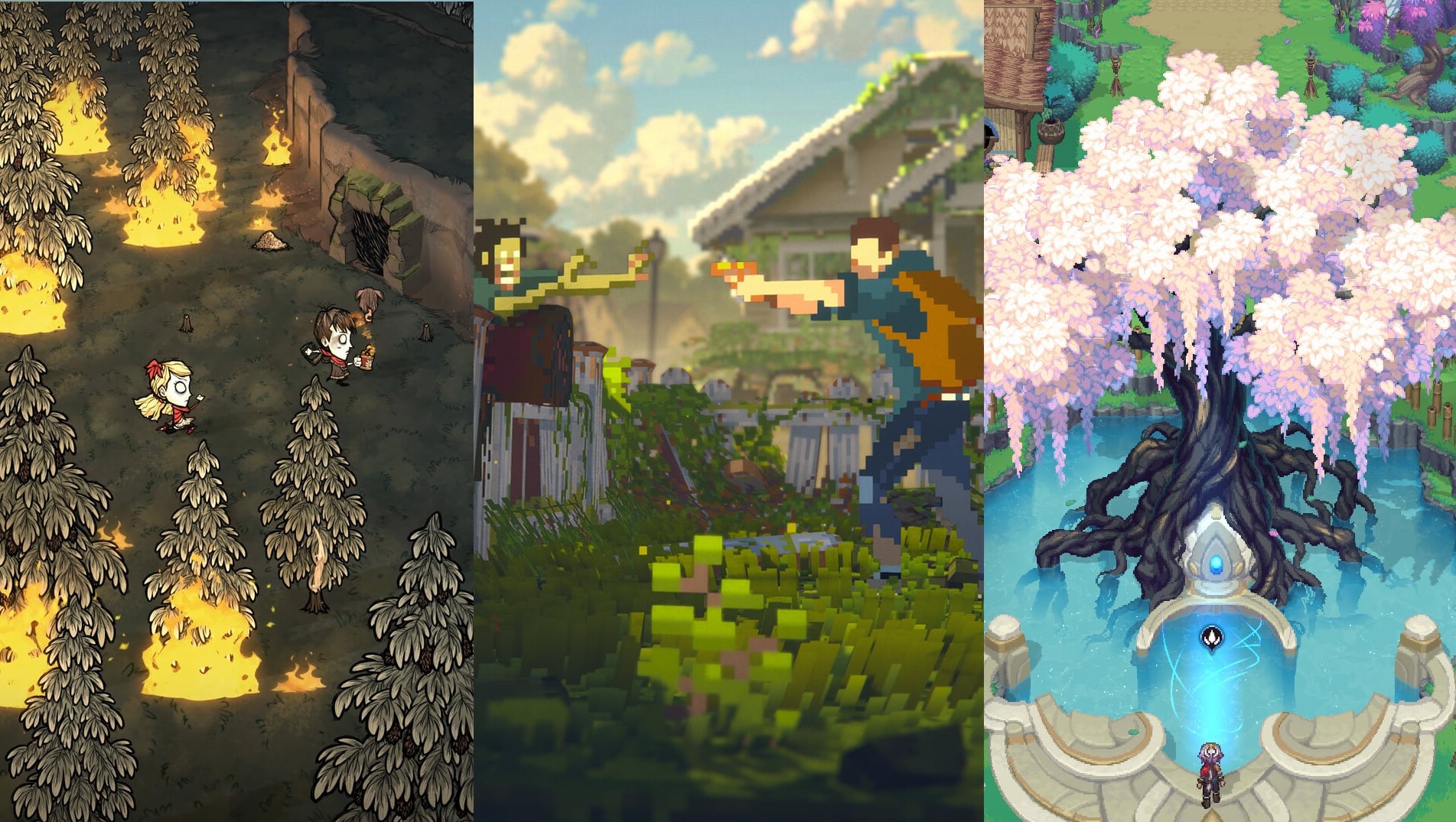
More games are coming out than ever before. Over 18,000 separate store listings were added to Steam in 2024 alone. Our list of notable October releases hit 55, and there were dozens more games we could have included. It’s a good thing that with the market so flooded, the average gamer is also buying tons of games. Oh wait, they aren’t! A new survey by Circana finds the majority of players in the U.S. buy just two games a year or fewer.
That data point was shared last week (via GameDiscoverCo) by the firm’s head of gaming research, Mat Piscatella. The group’s upcoming Future of Games report for the last quarter asked respondents how often they purchased new games. A whopping third said they don’t even buy one a year. Only 4 percent purchase more than one game a month. Did you buy Hollow Knight: Silksong and Borderlands 4 in September? Congratulations: you are a statistical outlier.
Piscatella was presenting the data in the context of the recent Game Pass price hikes. While most players barely buy games at all, a small fraction of them spend a ton. “Hyper enthusiast, price-insensitive players are really keeping things going, especially in the non-free-to-play gaming space,” he wrote. We can imagine this as the group who’s going to buy every game on their most-anticipated list no matter what. In fact, they might even buy the Deluxe Edition.
You can see this in the recent financial data for gaming companies like Sony. Despite console adoption stalling, they keep making more profit on the same existing slice of fans. While some people buy a Switch 2, PlayStation 5 or Xbox Series X/S and only ever buy a handful of games for it, others are content to keep adding to their backlog, a niche concept as foreign to the average gamer as the Criterion closet is to most people who subscribe to Netflix.
We often think of the gaming as, broadly speaking, evenly divided and homogenous. We take the median player and imagine an entire audience made up of them, as opposed to the market being defined by lots of different groups of players with unique habits, tastes, and conceptions of the hobby. It’s also easy to see why game studios have gotten so precious about release windows. If the majority of people are only going to buy a couple of games of year, best not to go head-to-head with Call of Duty, Madden, or the next Grand Theft Auto.
One obvious solution to this problem? Better curation and discovery. There’s only too many games if you can’t help the right people find the right ones. Valve has put a lot of work into exploring that problem and Steam is still far from perfect. The rest of the platforms, sadly, aren’t even close. And mobile, the biggest platform of all, is the worst of the bunch.