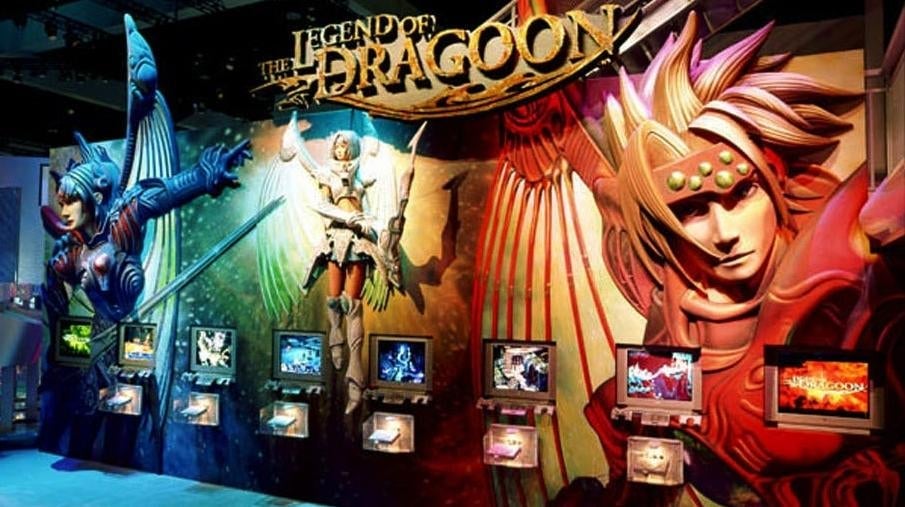
The Legend of Dragoon was Sony’s attempt to crack the classic turn-based RPG formula on the original PlayStation, but it wasn’t part of some grand push into new genres. The way ex-PlayStation Studios veteran Shuhei Yoshida talks about the cult hit, it sounds as if the ambitious fantasy adventure basically came about by accident.
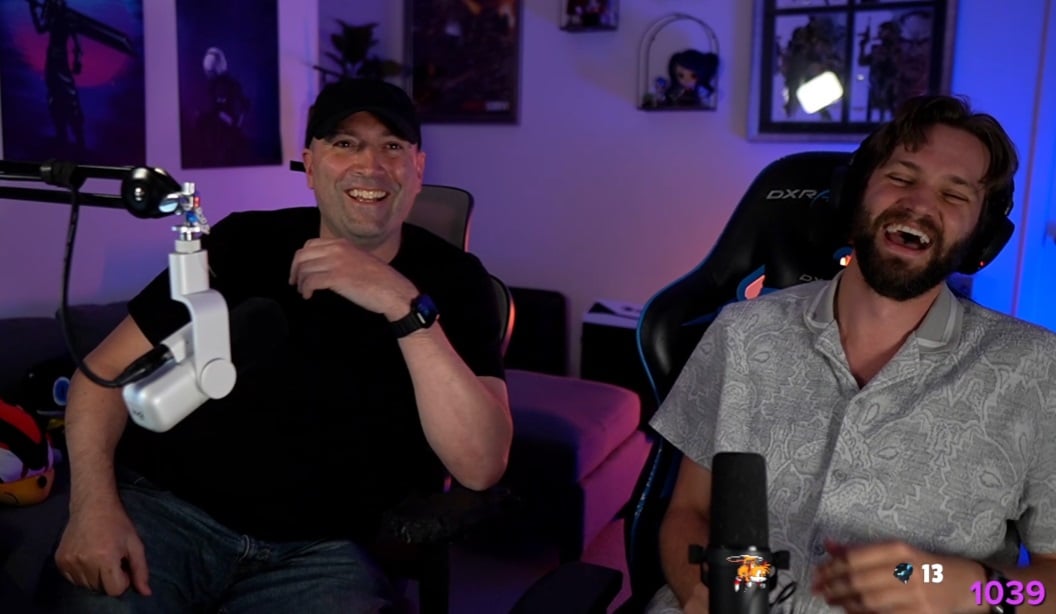
“Final Fantasy VII was already already announced and the use of 3D graphics for the combat and the pre-rendered 3D CG—beautiful CG—for the backgrounds was amazing to us,” he said in a recent interview with YouTuber Kyle Bosman (via Gamesradar). “Like ‘oh, this is next-generation kind of game.’ We were young and we were naïve, and luckily I was given the assignment to grow the internal team. I was assigned to make the studio larger. I was given a free budget, almost, to hire people.”
While Yoshida was The Legend of Dragoon’s producer at Sony Computer Entertainment of Japan, the key creative force behind the project was Yasuyuki Hasebe, who had recently left Square Soft after designing the battle system for Super Mario RPG. “When he joined us, I asked him, ‘What do you want to do?’” Yoshida said. “‘I want to make a new RPG.’ And that’s how I started gathering even more people to start making The Legend of Dragoon.”
It was rare for developers in Japan to leave their companies, Yoshida noted, making Hasebe a rare find. The rest of the studio was then mostly populated with fresh graduates. “I didn’t even have a budget when I started, because it was an internal production,” Yoshida said. The Legend of Dragoon team would eventually be 100 strong and end up costing Sony $16 million.
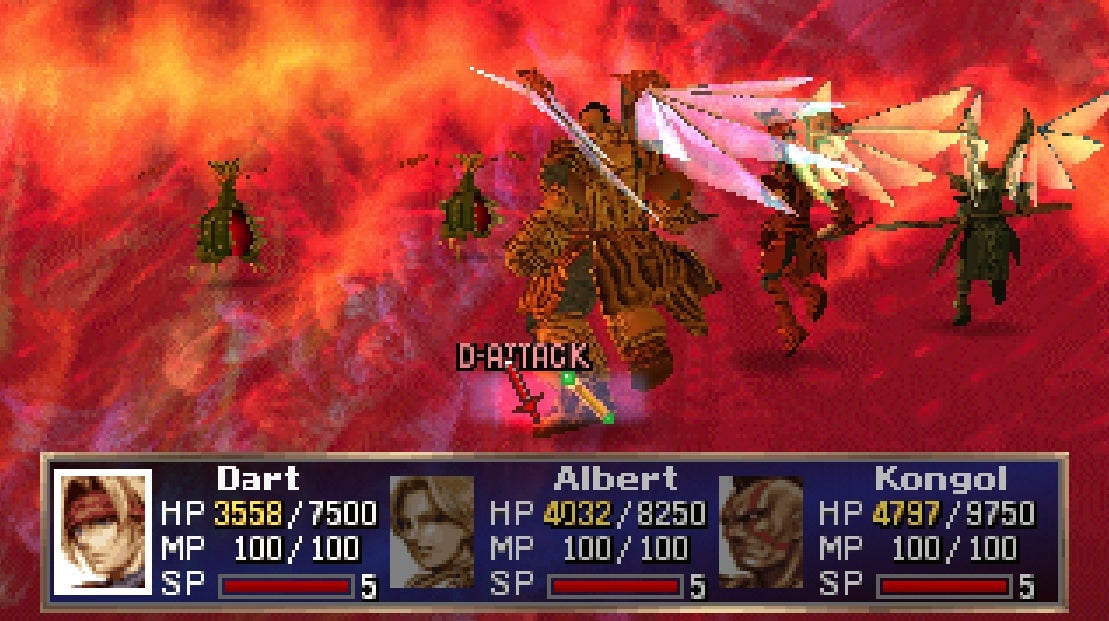
A lot of the effort by that large team went toward the game’s infamous 30 minutes of, at the time, gorgeous CGI cutscenes. While the prerendered backgrounds and polygonal character models were looking roughly on par with what Square was doing at the end of the PS1’s life, the cinematics helped elevate into a much more epic and lavish-feeling game overall. The other highlight was the timed battle mechanic that turned combat into a mini-rhythm game, an evolution of what Hasebe had created for Super Mario RPG (and which continues in the modern Paper Mario games).
“Eventually, we recouped that (cost), thanks to sales outside Japan,” Yoshida previously told Kotaku. “The sales in the U.S. were very strong.” Unfortunately not strong enough to manifest a sequel or spiritual successor. Fortunately, The Legend of Dragoon is playable today after coming to PS5 a couple of years ago, though deep down in my heart of hearts I’m still hopeful we’ll eventually get The Legend of Dragoon 2.