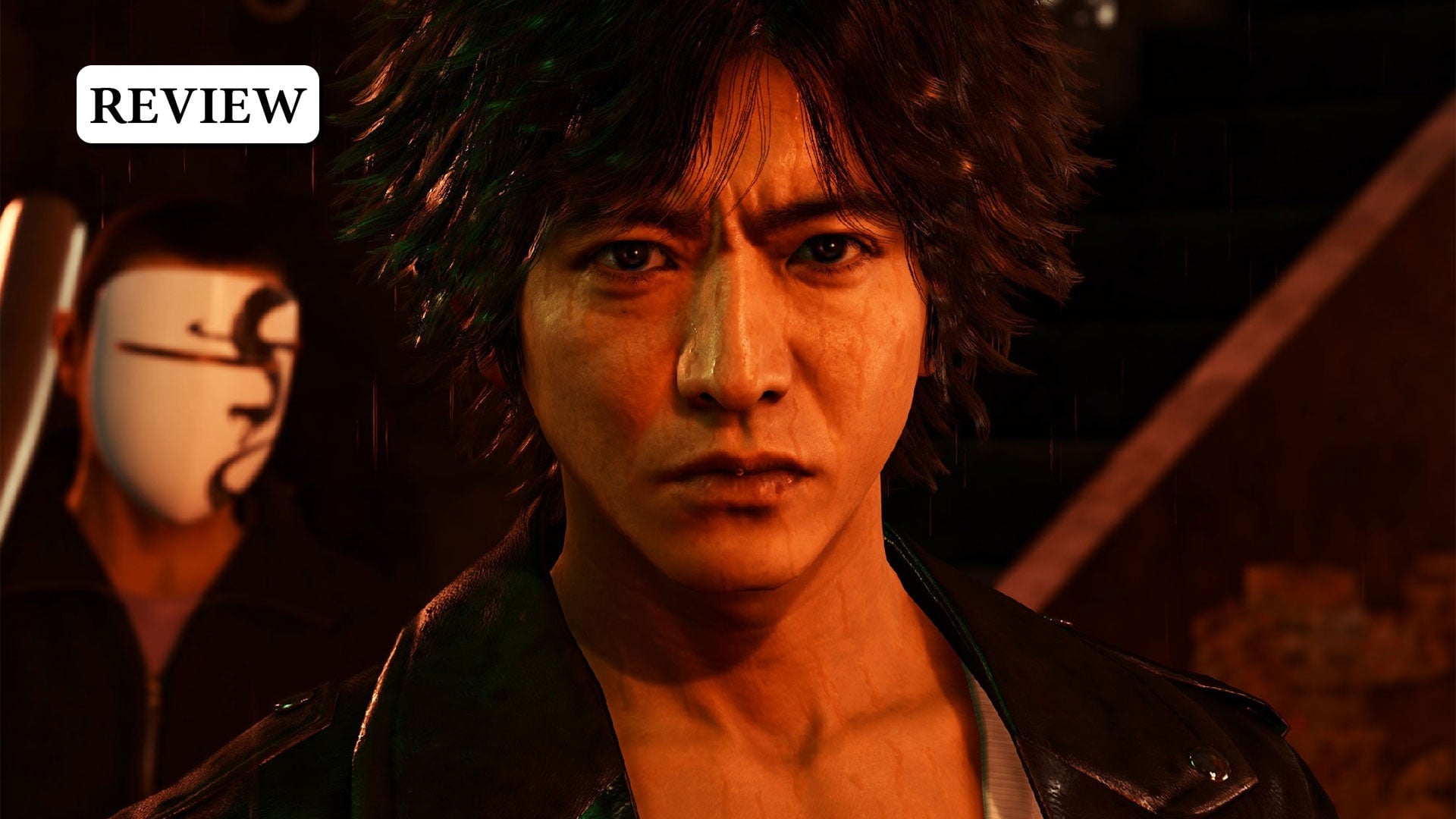
I absolutely loved Lost Judgment, Ryu Ga Gotoku Studio’s 2018 spin-off from the Yakuza series. Arriving just as the main games were getting ready to go through the biggest changes in their long-running history, along came a lawyer and his himbo best friend to keep some beloved old Yakuza fundamentals alive.
Yakuza: Like a Dragon’s JRPG combat, lengthy grinding, and party system have fundamentally altered the Yakuza experience in the year since its release, so Judgment’s sequel finds the franchise in a very different place than when it first dropped. No longer just another Yakuza game, it’s now also a throwback, a place where those who preferred the Old Ways can enjoy things the way they used to be.
Wow, this review is late!
It’s very late! But when Lost Judgment was released in Septembe r, my PS4 had died, I didn’t have a PS 5, and the game didn’t launch on PC. I’ve since managed to pick up a PS5, so here you go!
Off-screen, the game’s development studio is going through changes as well. The series’ creator and longtime steward left Sega, along with a veteran director. And while those decisions came long after development of this game finished, the timing is also hugely symbolic. Lost Judgment is arriving at a key time, a crossroads between the Yakuza of old and wherever the series goes from here.
You can kind of find this tension at play throughout the game. The creative freedoms afforded Lost Judgment’s writers—who have to worry less about the ongoing lore of its central cast—have allowed for a very different type of Yakuza story, one that tries more than any other game in the series (aside from maybe Yakuza 0) to keep things personal and not get too lost in bonkers conspiracy theories and secretive government super plots. Indeed between this focused tale and Like A Dragon’s more earnest tone, there’s a suggestion that Yakuza is getting softer and more heartfelt as it ages.
What hasn’t changed here is how Lost Judgment plays. While clearly more accessible to a wider audience, Like a Dragon’s turn-based combat was, in some ways, a huge letdown, beset by teething problems and ultimately robbing the series of one of its greatest strengths: its immensely physical combat, which had all the satisfaction of more advanced brawlers with little of their frustration or tedium.
Yakuza games have never been renowned for how precise their fights were, but by God, they were fun. Being reminded of that while playing Lost Judgment, after Like a Dragon’s tedious grind, was like going back in time to the Good Old Days, a sharp reminder that, yeah, while the writing and exploration and attention to detail in convenience stores will always be Yakuza hallmarks, there’s nothing that really sums up the series quite like smashing a bike into a man’s face.
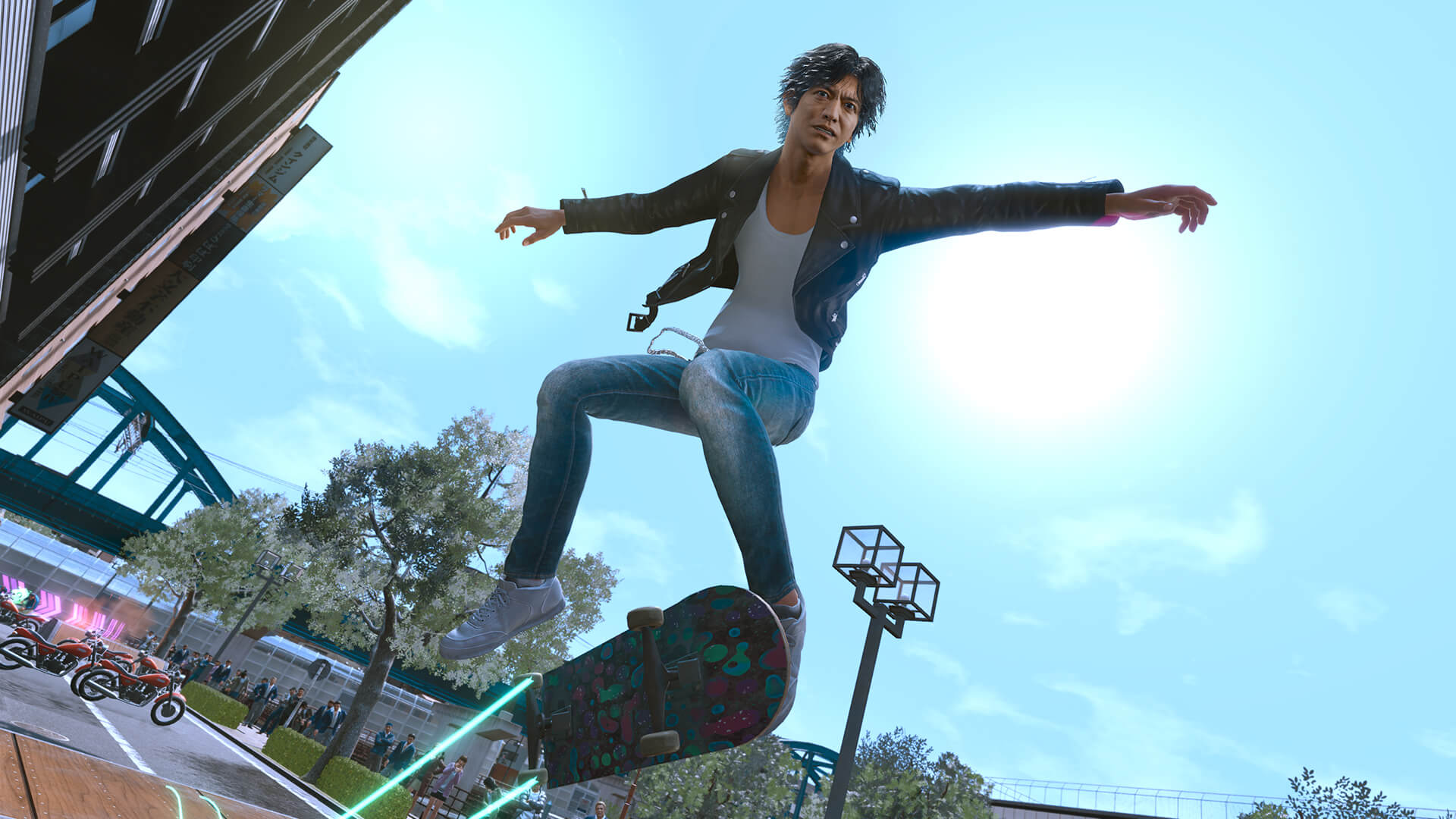
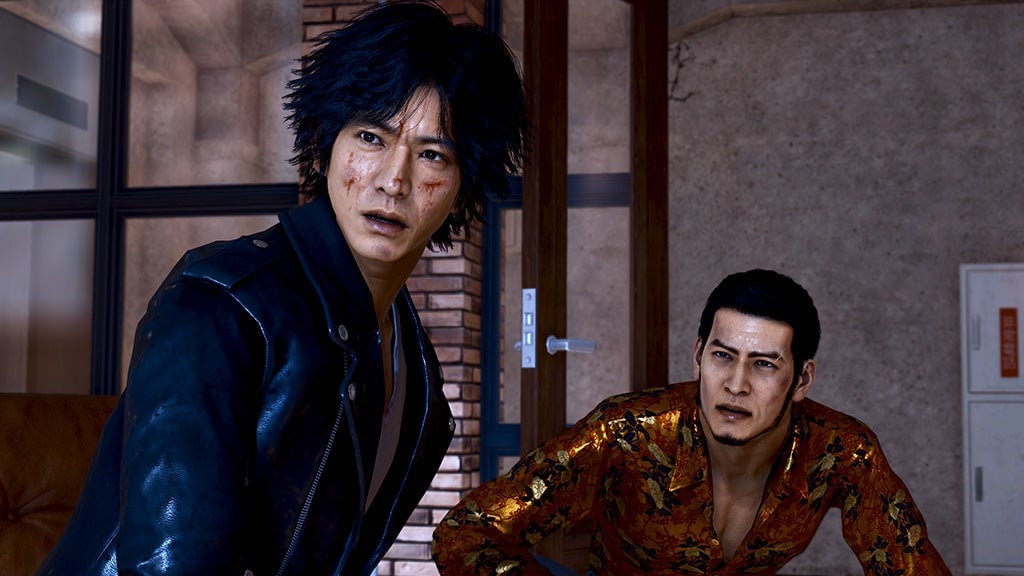
Now that we’ve got that lengthy, unplayable intro out of the way (we couldn’t have it any other way for a Yakuza game), let’s move on to talking about Lost Judgment in more specific detail. This second game continues the adventures of Yagami and his partner Kaito as they work the detective beat in Tokyo’s seedy underground, solving weird and dangerous mysteries (and some harmless ones in between) on the daily.
This time, we kick off the main storyline with a seemingly straightforward tale of bullying that sees our heroes embedded in a local high school before events take a dramatic turn and escalate wildly from there as the writers try to work in some heavy exploration of everything from motherhood to suicide to realpolitik (with varying levels of success).
I appreciate the intent here. As I’ve said, for the most part, Lost Judgment keeps the story smaller and more personal than we’re used to. There are only a handful of major characters involved, which gives us the chance to really get to know everyone and their motivations, a rarity in a series that likes to parachute major villains in at the eleventh hour and murder others every hour or two.
Despite this being a spin-off, with a firewalled cast of characters, the writers just couldn’t help themselves from tying major plot elements of this game into the events of Yakuza: Like A Dragon. This is a bummer. It makes Lost Judgment feel beholden to the main series when its setting could have set it free. So much of what happens here involves exploring the fall of the Tojo Clan and the power vacuum this created, which on paper sounds cool, but in practice feels like a game taking place in Yakuza’s shadow instead of shining in its own space.
Yagami, Kaito, and their crew are interesting! A game about a lawyer who is also a street fighter, solving crimes off the radar, helped out by a former gangster, a parkouring idol, and a giant nerd, could have gone anywhere. We could have learned about their pasts, explored other threats and aspects of Tokyo nightlife, and seen what else makes Kamurocho tick. It’s a bummer to see this chance at a fresh start go and retread the one place the main series has already gone, over and over and over again.
https://twitter.com/embed/status/1440979483360579584
Much of your time in Lost Judgment is spent the same as it always has been in pre-Like a Dragon Yakuza games. Sitting through endless but somehow captivating conversations of the most mundane order, running around the streets of Tokyo, having random encounters with bands of thugs and meeting randoms who need the strangest of help.
Most of the time, people’s problems are solved by beating the shit out of someone, and nearly every random encounter will end with you beating the shit out of someone. But more often than is necessary, Lost Judgment also asks you to ease up on the action and solve problems by pretending to be a detective in a series of tasks that’s basically the only thing that meaningfully differentiates these games from older Yakuza titles.
These take the form of distinct minigames where you’re asked to do things like tail a suspect, question suspects, reveal evidence (à la Phoenix Wright), sneak into places shimmying along pipework, sneak into other places using a Metal Gear-lite stealth system, scan areas for digital signals, or, most commonly (and most agonizingly), simply locking you in a room until you’ve examined everything the game wants you to examine, like the world’s most lavish Hidden Object game.
Lost Judgment
-
BACK OF THE BOX QUOTE
Same old Yakuza, brand new console
-
TYPE OF GAME
Tokyo Tourism/Face Smashing
-
LIKED
Same old Yakuza, much nicer Kamurocho
-
DISLIKED
We're not actually detectives, please stop asking us to pretend we are
-
DEVELOPER
Ryu Ga Gotoku Studio
-
PLATFORMS
PS5 (Played), PS4
-
RELEASE DATE
September 24, 2021
-
PLAYED
Finished main storyline in 18 hours, then spent countless more on sidequests and school missions
Every single one of these diversions sucks. They’re all incredibly boring to play through, don’t have fail states or repercussions for right or wrong answers, and what’s worse, they manage to rob certain parts of the game, especially its finale, of their pacing, sucking the life out of exciting or tense moments.
If your questions don’t change the story depending on what you ask, then why give the player the illusion of choice? If I’m in the middle of a hectic combat section, full of visceral spine-kicking and heart-pounding boss fights, why on Earth would you pause the game for a frustrating game of “find the light switch?” The game is full of these interruptions, which are like dumping a mountain of paperwork on the player’s table just as they’re heading out the door to throw a traffic cone at someone’s face.
Please, Ryu Ga Gotoku Studio, I’m begging you. Stop this. I know the first Judgment game suffered from this as well, but the number of times you’re asked to do this shit in Lost Judgment is out of control. This is a Yakuza game, in spirit if not in name. We’re here to kick ass, not take names. You don’t need to justify the new characters and a slight deviation in scenery by adding all this stuff to the game just to say, “Hey, this guy is a detective.”
Yakuza is my, and many other people’s, rock. It’s a soap opera. It’s something we tune into year in, year out and know exactly what we’re getting. Indeed, that’s the whole reason the Judgment games exist. With the main series finally daring to try something different, these spin-offs are a link to the past, a way for people to get a taste of their favorite comfort food.
I know it’s wild for a critic to say they don’t want innovation in a video game series, but in this particular and deeply specific instance, I don’t! Get it out of here! Let the main series go wild changing stuff. I just want to be able to enjoy a traditional game’s entertainment of punching and weird sidequests, and anything else being added to the mix on top of that risks getting in the way.
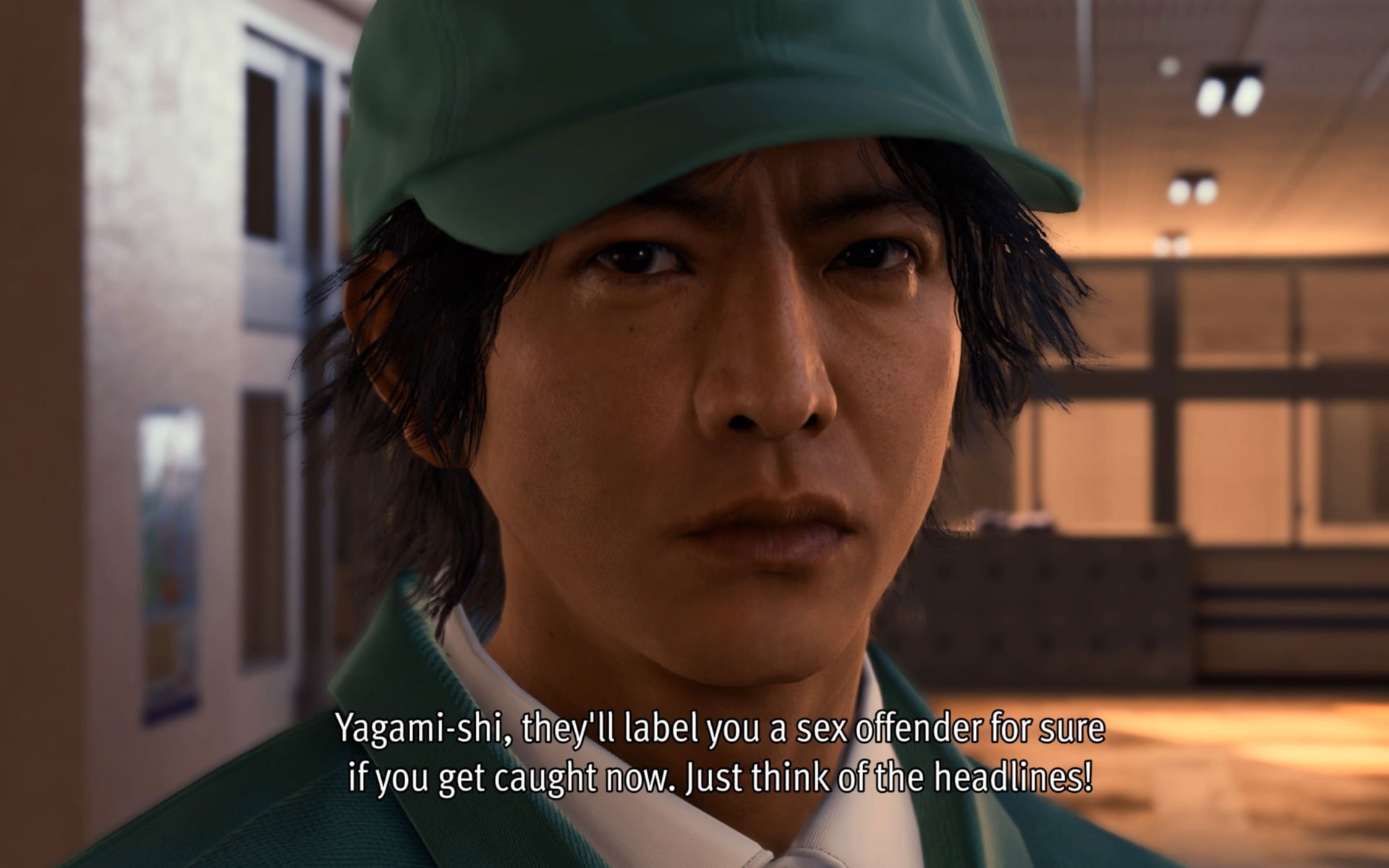
Lost Judgment is at its best, then, when it sticks to its strengths, delivering its pulpy story—enjoyable in its moments of execution if not its overall direction—one lengthy dialogue sequence at a time, diverting your attention with bonkers sidequests and giving you as much bone-crunching combat as you care to enjoy. That same old formula delivered once more for our enjoyment.
When it’s humming along—and aside from detective-inspired speedbumps, this game’s narrative pacing is maybe the most finely-tuned of any Yakuza game to date—this is a crisp, concise storyline that you can wrap up in under 20 hours if all you want to do is follow Yagami’s latest (and potentially last) adventure.
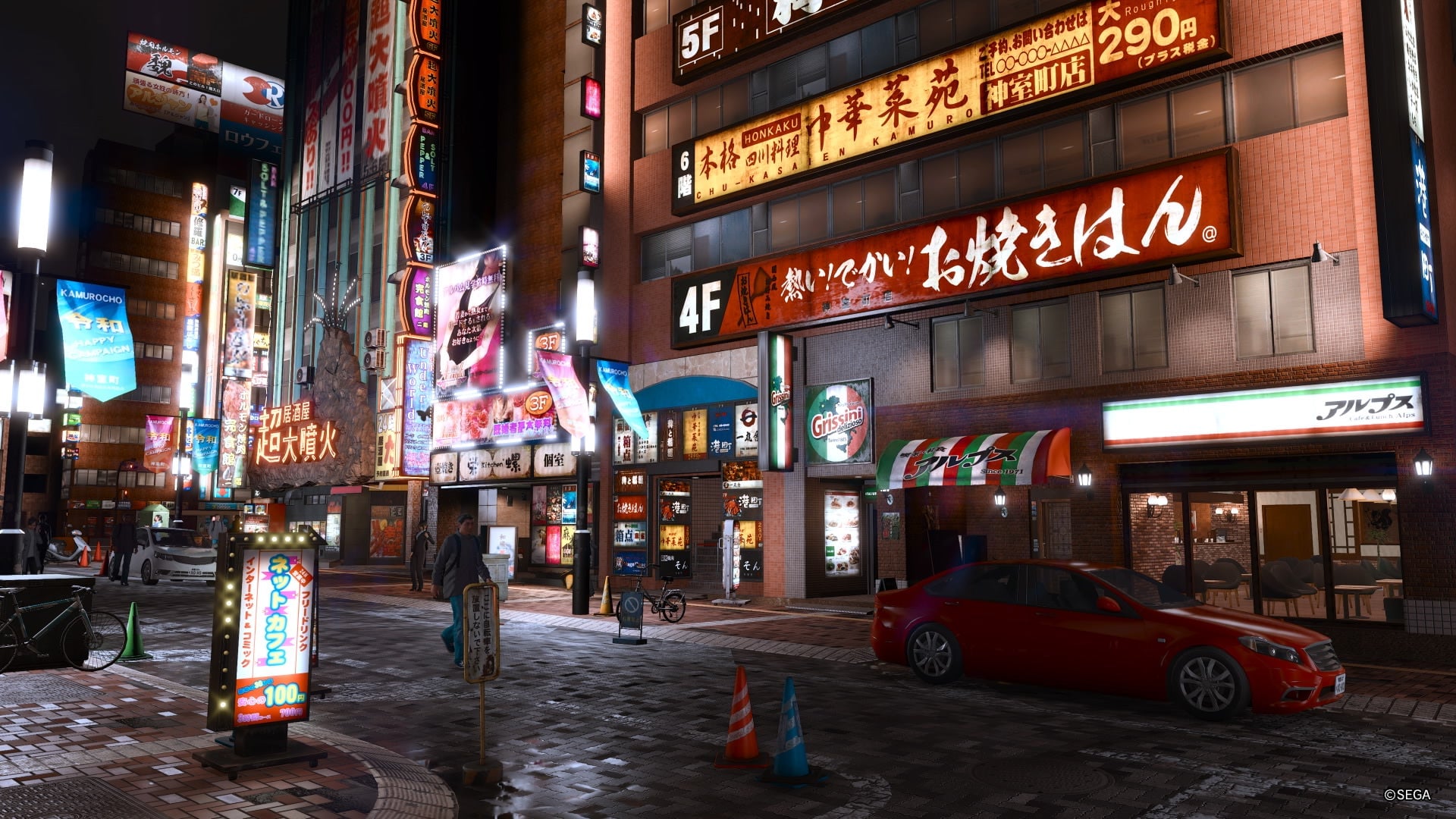
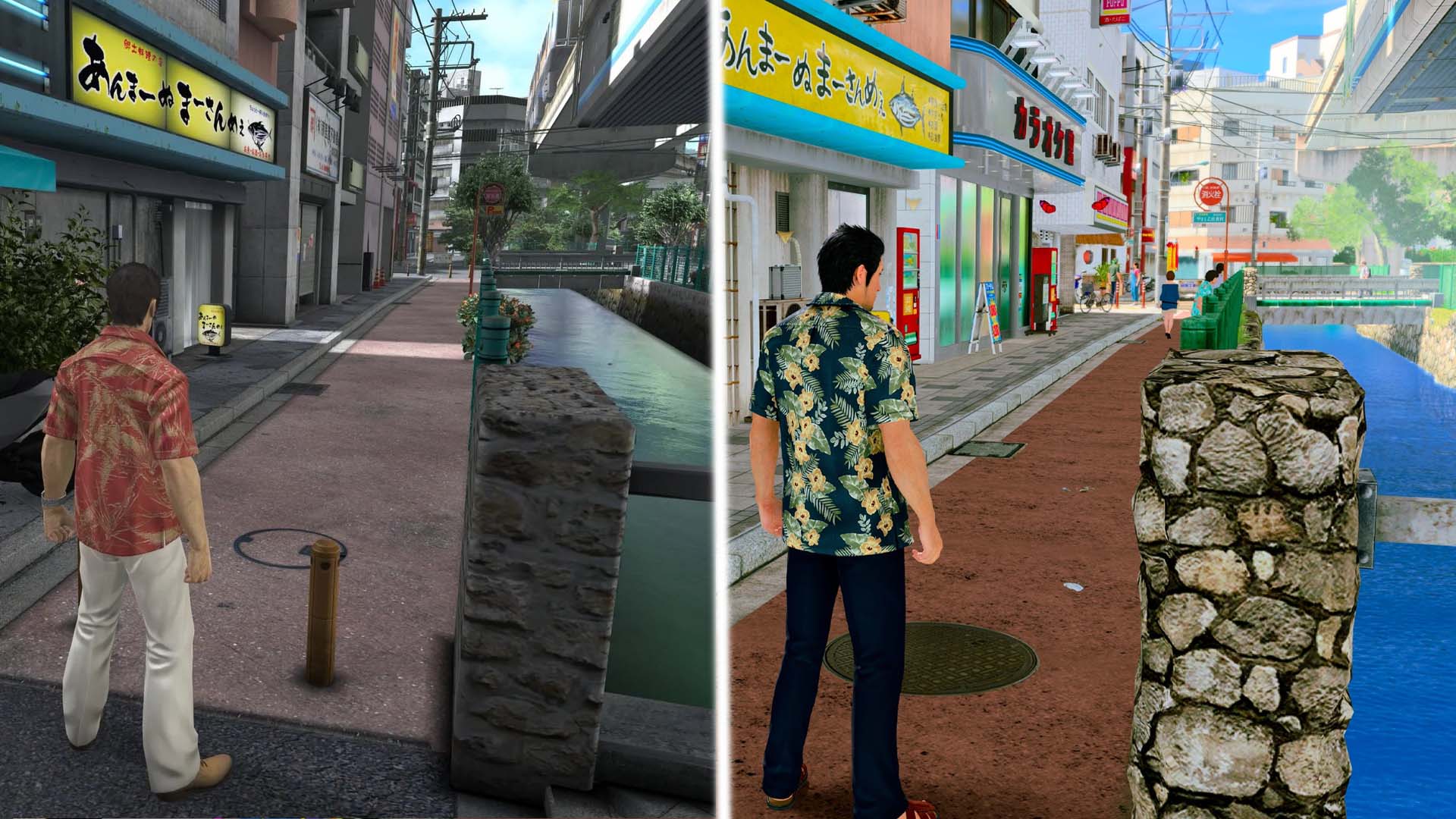
Playing on the PlayStation 5 was also a surprisingly wonderful experience. I’d played Like a Dragon on PC, where it looked fantastic. But there’s something even nicer about playing in 4K on a big TV, where the lights are more dazzling than ever, and major character’s facial models are some of the most impressive in all of video games.
We’ve spoken before about how Kamurocho, the fictional neighborhood that remains the beating heart of this series, is as much the star of the Yakuza games as any one actual person thanks to the way it’s been able to morph and grow alongside each game. Here it’s more alive than ever before, a beautiful distraction where just walking around can sometimes be the most pleasurable experience on offer (even if you only end up spending half your time there and the other half in Yokohama’s Isezaki Ijincho, the same locale first introduced in Like a Dragon).
Those could have been the closing paragraphs of pretty much any Yakuza game when you think about it. For any other series, that would be a problem. But here, more of the same—just delivered with slightly nicer visuals and slightly smoother combat animation—is exactly what I want from these throwbacks.
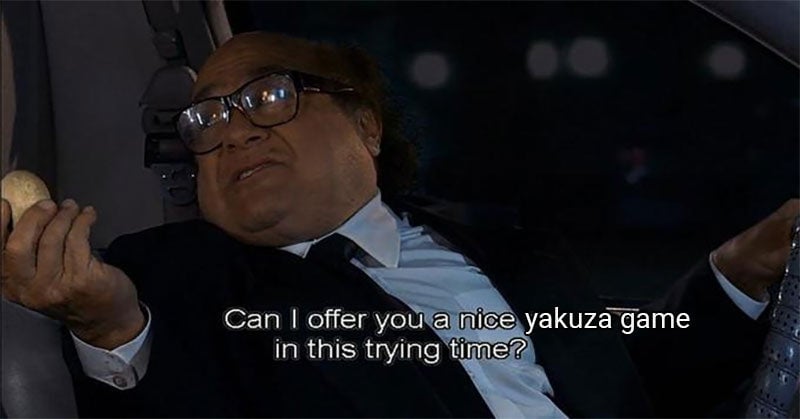
In a world that’s in constant turmoil, our lives beset by uncertainty and flashing past us at breakneck speed, having a bedrock in your life, something to rely on and look forward to on a regular basis, can be essential. For some, it’s a regular coffee order at the local cafe. For others, a monthly manga release or the latest episode of their favorite long-running TV show.
These things are rarely critical darlings or blockbuster successes. They’re just there, so constant they’re almost part of the background. And while quality can vary from installment to installment, so long as they keep the fundamentals solid and give us those little bursts of joy and satisfaction that help keep us going, for brief windows of time all can be right in the universe.
For me, I’m just glad that no matter the star, no matter the storyline, and no matter how drastic the JRPG-inspired changes are made to the main game in a video game series, I can still depend on a sharp-dressed man and some street violence to show me a good time.