Peter Molyneux is a veteran game designer who’s been pushing the boundaries of what players expect from the medium for over 30 years. Peter Molydeux is a Twitter account created back in 2009 to parody the famous developer’s often absurd-sounding promises. With the real Molyneux’s seemingly final game, Masters of Albion, releasing later this year, the creator of Molydeux says it’s time to hang up the fake persona.
“Games evolved to the point where the ideas I was parodying were no longer outside the box,” wrote the account’s author, 3D environment artist Adam Capone, in a retirement announcement posted on January 13. “I never thought I’d cut ties with this account. But after reading Peter Molyneux recently saying his upcoming game would be his last, it does feel like the right moment. It’s still surreal to remember being invited to a photoshoot with the very person I was spoofing.”
You play a hole, you must move around an environment making certain elements fall into correct targets at the right time.
— petermolydeux (@PeterMolydeux) January 5, 2012
In the early 2010s, back when Twitter still felt (mostly) new and fun and wasn’t a factory for AI-powered bots removing women’s clothing, Peter Molydeux was one of the many spoof accounts cropping up in the gaming space, among other well-known ones like CEO Kaz Hirai and Porygon News. The Molydeux account would tweet outrageous video game concepts like, “Online side scrolling co-op 8 player game where each person controls a leg of an octopus. Each leg can attach guns which the player can fire.”
They were funny because of how they played off of Molyneux’s own penchant for expressing grandiose ideas that never quite come together, but they were also very clever in their own right. Each concept had the kernel of something that did actually sound very cool in it, just like the Lionhead Studios cofounder’s ideas. Here’s a great 2012 Wired article about the symbiotic relationship between the two.
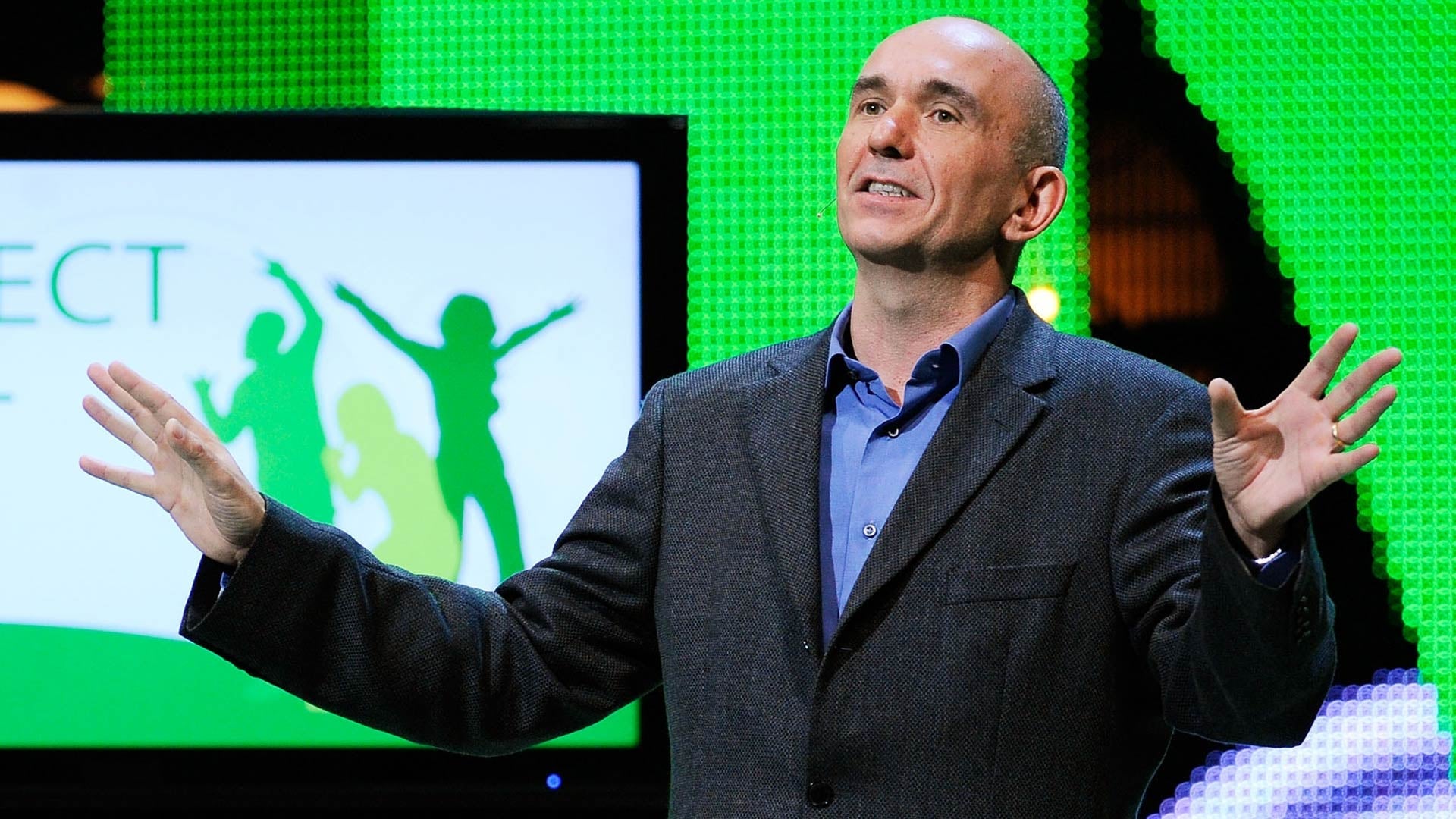
For anyone unfamiliar with the Fable designer’s reputation for ambitious overpromises, Project Milo is a good example. It was supposed to be a Kinect game for Xbox 360 in which players interacted with a child. Molyneux demonstrated the game at a 2010 TEDGlobal talk where he boasted that his team had managed to “create a real, living being in a computer.” Microsoft, more than a decade away from going all in on AI, was unimpressed and canceled the game. In some ways, Project Milo became the platonic ideal of a Molyneux game: one that lived in the imagination of what might be rather than the disappointment of what actually shipped.
Now back to the fake Twitter account:
I remember pulling up in a taxi to see him casually smoking outside the studio. He welcomed me in, excitedly showing Curiosity but also sharing excitement about another random small indie game he was playing and giving me his ipad to play it. Then later in a pub he was hinting at his ambition for Curiosity. That enthusiasm for the player experience, regardless if they land or not is at the heart of this industry.
I think the industry lost something when Molyneux vowed never to speak on stage again. Over time, that kind of unfiltered excitement has been replaced by carefully rehearsed pitches and bullet points. Fewer people go off-cue. Fewer let passion drive the conversation rather than marketing.
I hope every generation creates its own Molyneuxs. Joseph Fares at Hazelight reminds me [of] an early Molyneux, i.e developers who get carried away talking about their “baby” instead of selling a product. I’ll always be grateful for Molyneux and what he gave to the industry.
I promise this is 100% not actually Peter Molyneux writing this.
Capone, who was just laid off as part of Ubisoft’s shuttering of its recently unionized Halifax studio, used Molydeux’s final sign-off to call for game developers to prioritize creative risk-taking over chasing metrics. “As the industry inevitably rebuilds, I’m convinced it’ll be the small, weird games from over-excited enthusiastic designers in control of their games as they continue creating new experiences and nudging us forward, step by (baby?) step,” he wrote.
Masters of Albion offers a last shot at redemption
Will one of those be Molyneux’s own Masters of Albion? The pitch is an open-world “god game” that borrows elements from across his past work, which includes the early, influential god game Populous. A new trailer for MoA dropped this week and a release date of April 22 was revealed. “Masters of Albion is the culmination of my life’s work, a game that owes so much to titles like Dungeon Keeper, Black & White, and Fable,” the veteran director said in a statement. “It’s a totally unique game that we hope will delight players, a game that brings God Games into the modern gaming landscape and puts the genre firmly back on the map.”
While some take inspiration from Molyneux’s romanticism, others have called him out for what sometimes seem essentially like lies. In 2015 he rejected those accusations. Last year he told Edge magazine, “I admit now that I did overpromise on things, and said things that I shouldn’t have said about Curiosity. But I only ever did that because I thought it was the right thing to do at the time.”
He called Masters of Albion a” redemption title.” One thing helping give players more confidence in this one than they had in his last project, a blockchain business sim that went nowhere, is who else is on board. LittleBigPlanet director Mark Healey, Black & White 2 designer Iain Wright, and other game development veterans are all involved, according to VGC. Hopefully it’s a good game, or at least a fitting send off for Peter Molydeux.