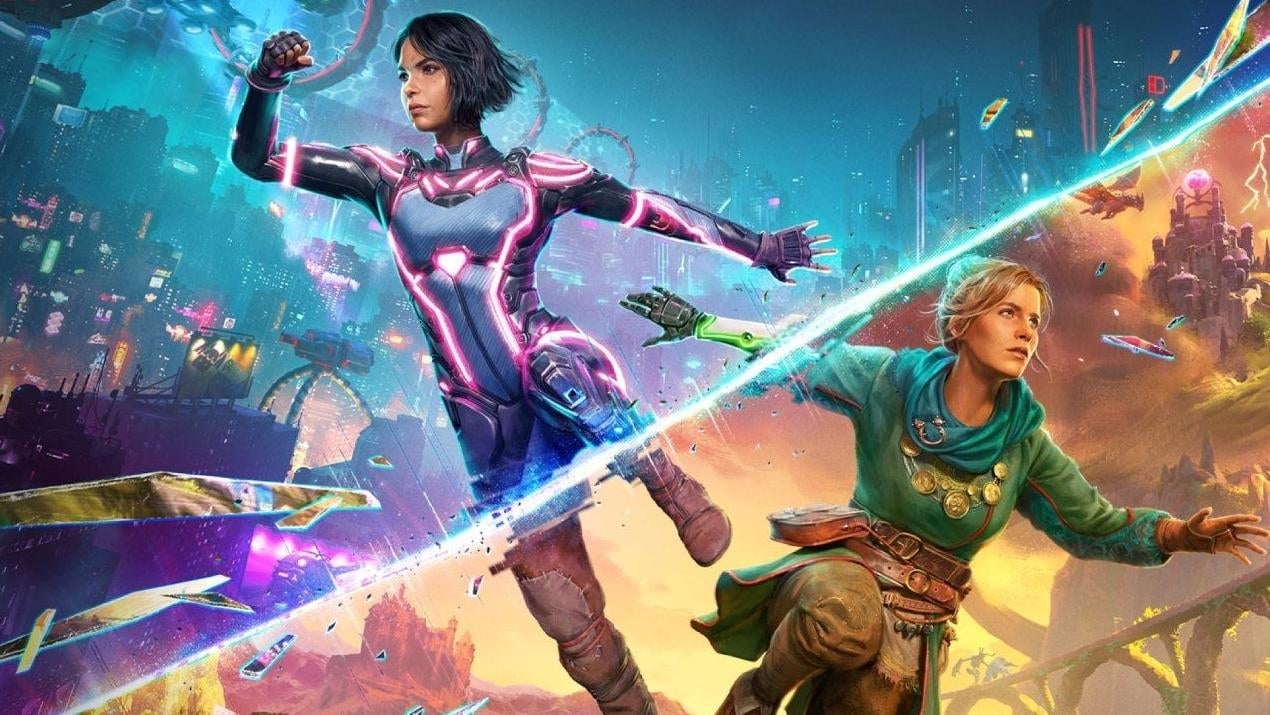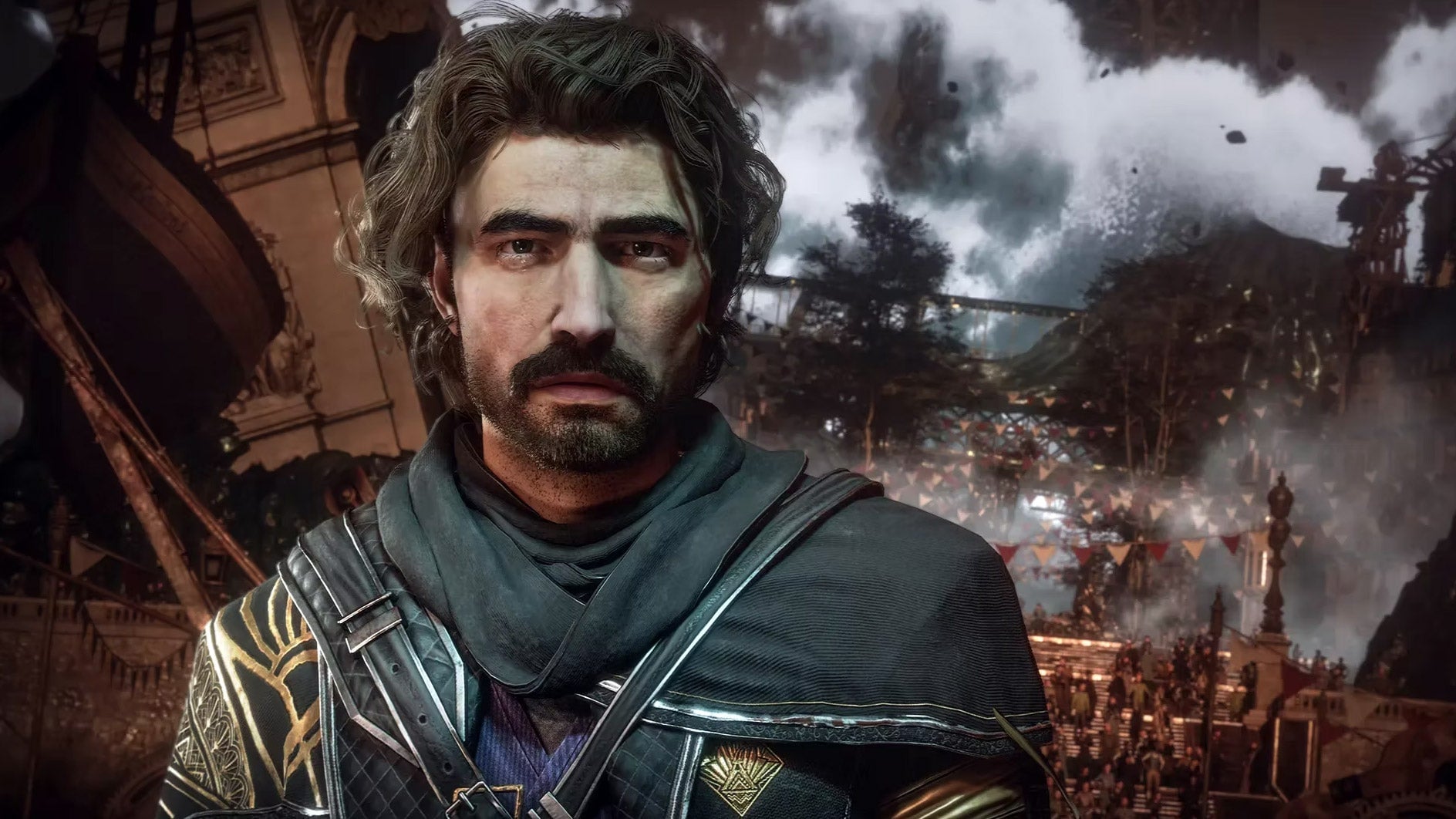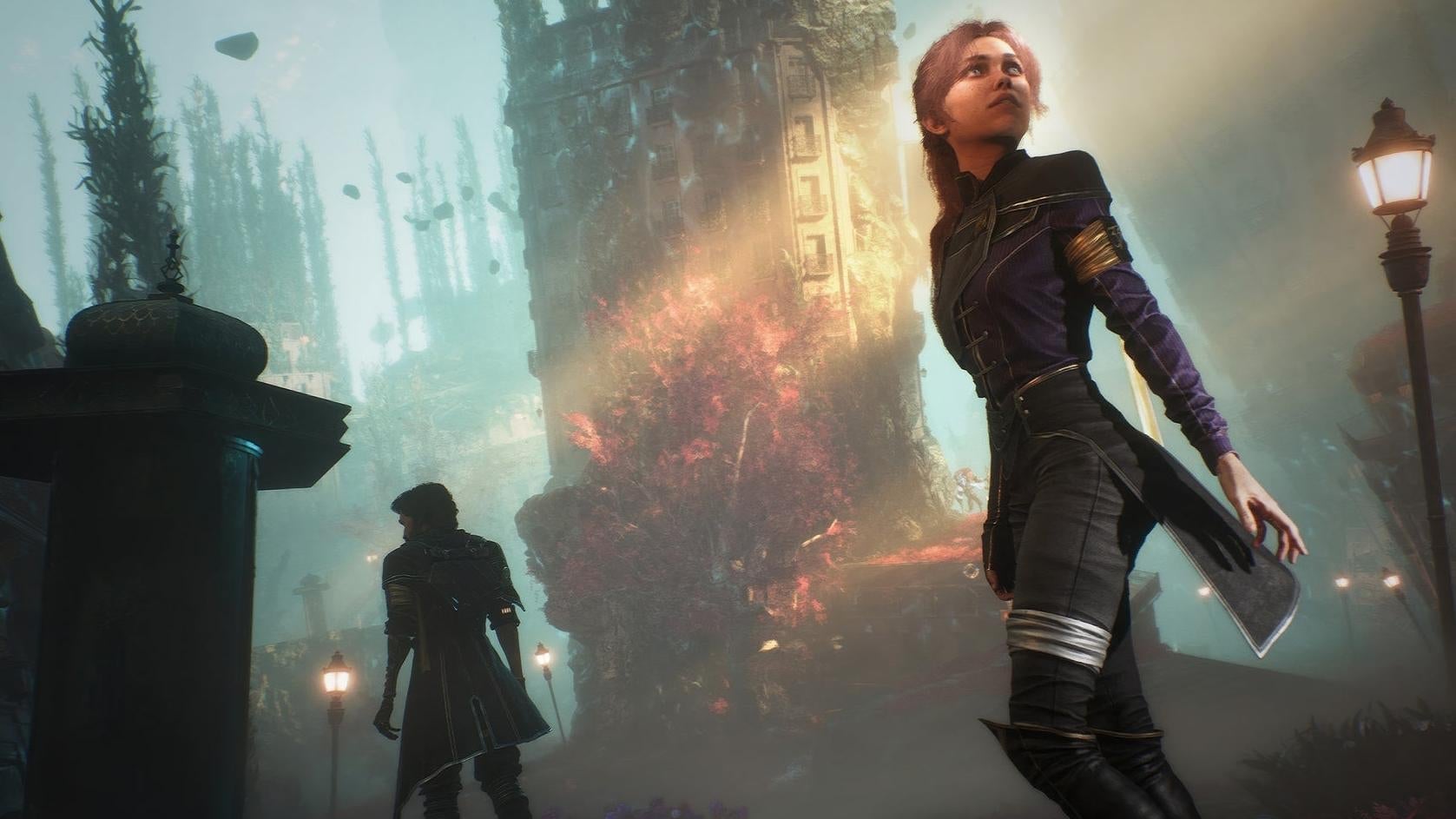
Publishing a game means placing a bet that the people making it can actually ship it and that prospective players will actually want to buy it. To limit risk, the people writing the checks look out across the industry for things that feel as close to a sure bet as you can find. The developers pitching them then point to these success stories and explain how their dream project will replicate it. Split Fiction director Josef Fares worries about Clair Obscur: Expedition 33 and its “AA” success potentially being used to hem in the rest of the gaming industry.
“You do hear, after the success of things like Clair Obscur: Expedition 33, that the double-A games are taking over,” Fares told The Game Business. “But I would not be able to live without a triple-A title. I really want to play the blockbuster games. You can’t do GTA for ten million [dollars]. We need both.”
He continued, “It’s important not to get stuck in ideas, like double-A is a new thing, or indie is a new thing, or ‘blah, blah, blah’ is a new thing. We need the diversity. I hope that publishers don’t just look at a game like Expedition [33], which has been super successful, and think, ‘oh, double-A is a new thing. Let’s only do that.’ I don’t believe in that. You had a huge amount of double-A games that came [out] this year, which nobody cared about. Let’s remember that.”
He’s right, of course. For every Space Marine 2 there’s a Banishers: Ghosts of New Eden or Immortals of Aveum that doesn’t hit regardless of the underlying quality and creativity. The industry has a habit of coalescing around specific hits or new genre breakouts and trying to derive foolproof formulas from them. That’s how you end up with waves of copycat MMOs, Mobas, card games, or hero shooters years after the initial success stories.
Sticking up for EA
Fares points to Rockstar Games, Naughty Dog, and Nintendo as companies that operate in the AAA space but still try to take risks and push creativity forward. A company that’s not known for taking those risks is Electronic Arts, which mints most of its money from annual sports franchise sequels with microtransaction casinos inside of them. But for all the hate the Split Fiction publisher gets, the Hazelight Studio founder thinks EA gets too much flak sometimes.
“There are a lot of great people at EA,” Fares told The Game Business. “They know how we work. They respect it and they leave us be.” He went on, “EA is getting more shit than they deserve.” He noted that other companies mess up too, but for some reason “EA has become this bad guy.” Fares continued, “For us, it’s a super good collaboration. I’m very open about [it]. If it was bad, I would’ve said that in this interview as well. But we have a great relationship.”
Part of that good relationship might come from the fact that Hazelight’s co-op action-adventure games sell tens of millions of copies, including to people who might not traditionally consider themselves to be big gamers. It Takes Two has sold over over 20 million copies and Split Fiction topped 4 million in its first few months last year.
Skeptical of AI
The director also told The Game Business that his studio makes all of its decisions based on what the team thinks will make the best game. So far, that doesn’t include generative AI. “If you look at Midjourney, for instance, when it came out it was so impressive. And five years later…the bar hasn’t gone up much,” Fares said. “Maybe this is the limit of it. You get someone generating a game concept and saying, ‘oh look what might happen in five years?’ But who knows? In five years, maybe it’s going to be like Midjourney…not much better.”
He says games still need a creative vision at the center of them, and that’s something you can’t get from a chatbot. At least for now. While Fares doesn’t “see AI taking over” any time soon, he said it’s still hard to tell. “Who knows what happens in the future?” I’ll claim to and say that whatever comes of generative AI, EA will continue to make sports games and Hazelight will release another critically acclaimed co-op blockbuster in a few years.