To say Capcom fumbled Street Fighter V is an understatement. SF5 launched in an incomplete state, going all-in on “esports” to the point that it shipped without even basic single-player modes, and the flat, offense-heavy combat came off so canned, so rote, that it almost felt turn-based. (Also, Ken had bananas for hair.) Years of patches corrected some of this (the bananas remain), but SF5 will always be a wounded animal in a series of apex predators. So Capcom had its work cut out for it with Street Fighter 6
Thankfully, Capcom’s latest take on the classic fighting series feels like it’s learned the right lessons from the last game’s drubbing. Street Fighter 6 both sets a stellar foundation for the next decade of Street Fighter’s competitive scene and gives the button-mashers among us something robust, if sometimes frustrating, to sink our teeth into.
A return to first-class fighting
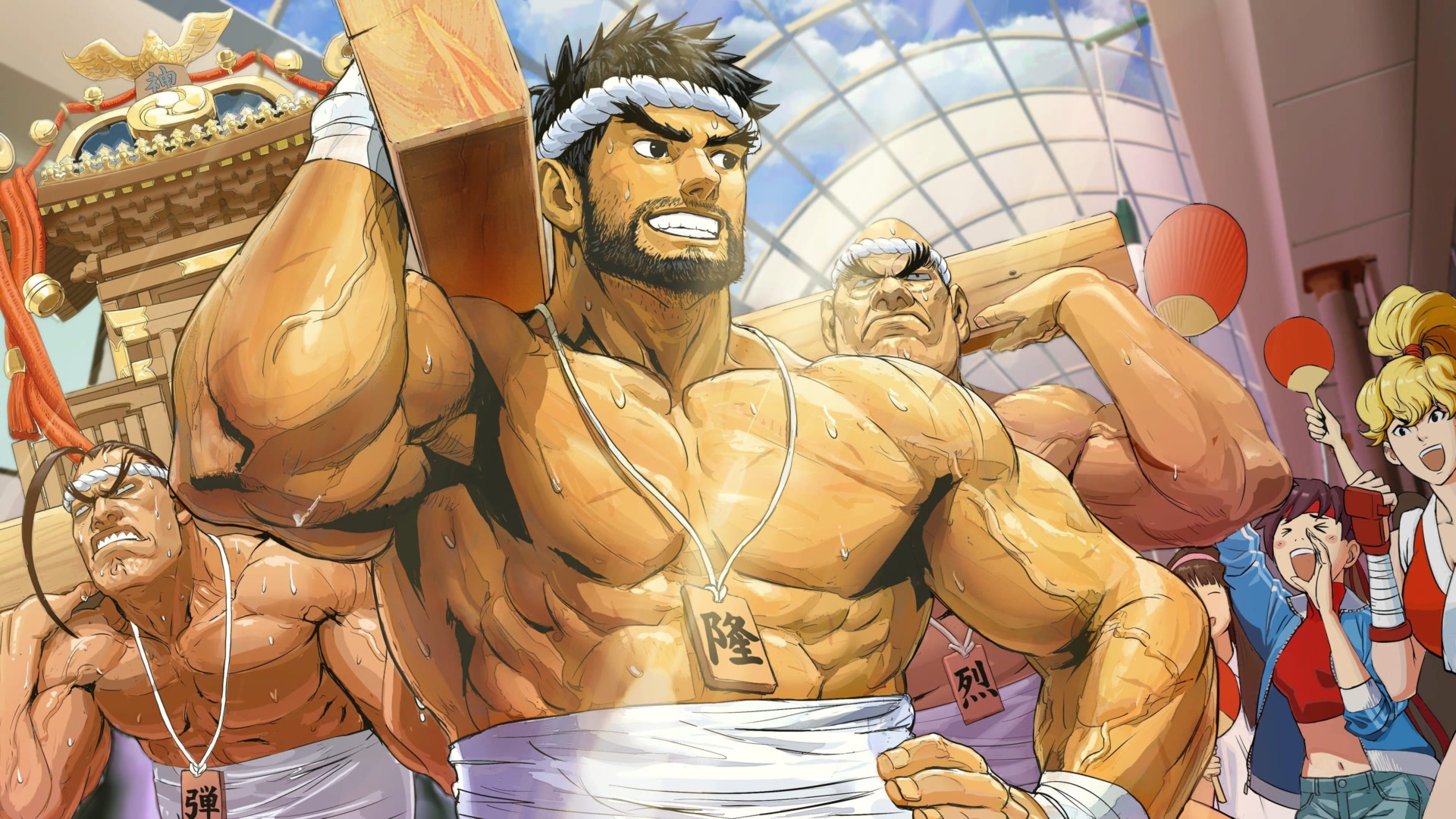
Street Fighter 6 is a return to form, but the most pronounced upgrade is in how much it captures the spirit of its characters, both in and out of fights. Personality and swagger practically drip from this game. Consider the bumpin’ intros before versus matches. They create some striking and often hilarious contrasts, such as Ryu stoically walking toward the ring with determination while Blanka does cartwheels down the runway. Each character feels fully realized through their moveset, voice lines, and often-charming win screens—witness newcomer Manon’s, in which the elegant dancer smiles and waves for a photo as she’s deemed the victor. Where oftentimes Street Fighter V could feel sanded down and sterile, Street Fighter 6 oozes confidence, which helps make it as entertaining to watch as it is to play.
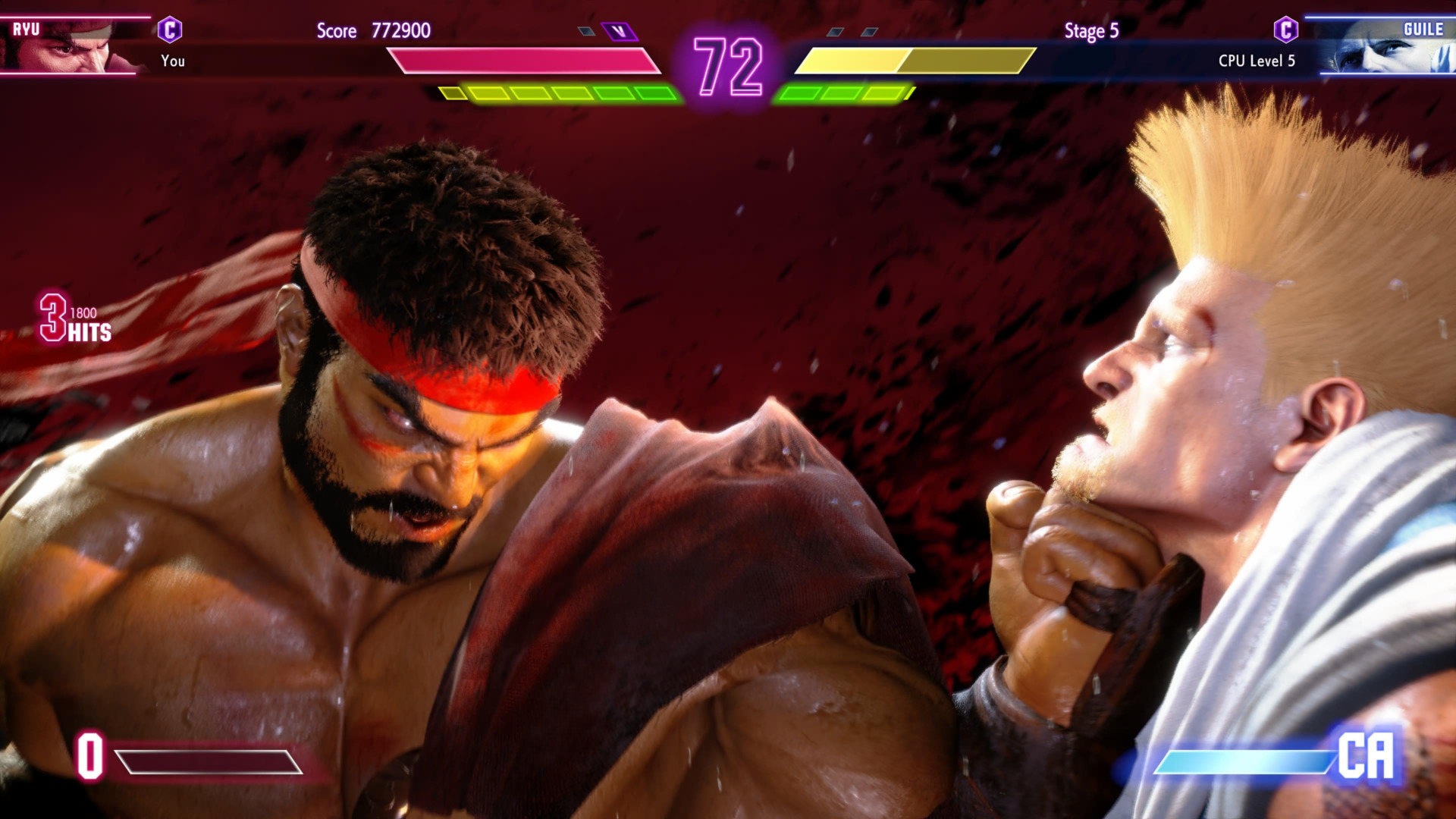
It would be easy to dismiss that confidence as style over substance, but it also bleeds into the way Street Fighter 6 plays. The game is flashier than ever, but its new mechanics make old characters feel fresh and new ones feel like meaningful additions. The most fundamental change comes in the new Drive Gauge system. Now the Super meter is just for your powerful Super Arts, and the Drive Gauge governs everything else. It fuels a number of tactics and maneuvers both old and new, and is central to every fight.
For example, you can spend your gauge on a wind-up blow called Drive Impact, which is great for creating openings, and has armor to push out of endless corner combos. Drive Gauge also fuels Overdrive attacks (the new term for EX moves), which are more powerful versions of special attacks, like a fireball that can beat other projectiles or a faster lightning kick. You can also perform a Drive Parry, Drive Reversal (like an old Alpha Counter), and Drive Rush (cancel moves to extend combos). The Drive Gauge regenerates over time, but be careful not to let it fully drain, as that puts you in a devastatingly vulnerable “Burnout” state.
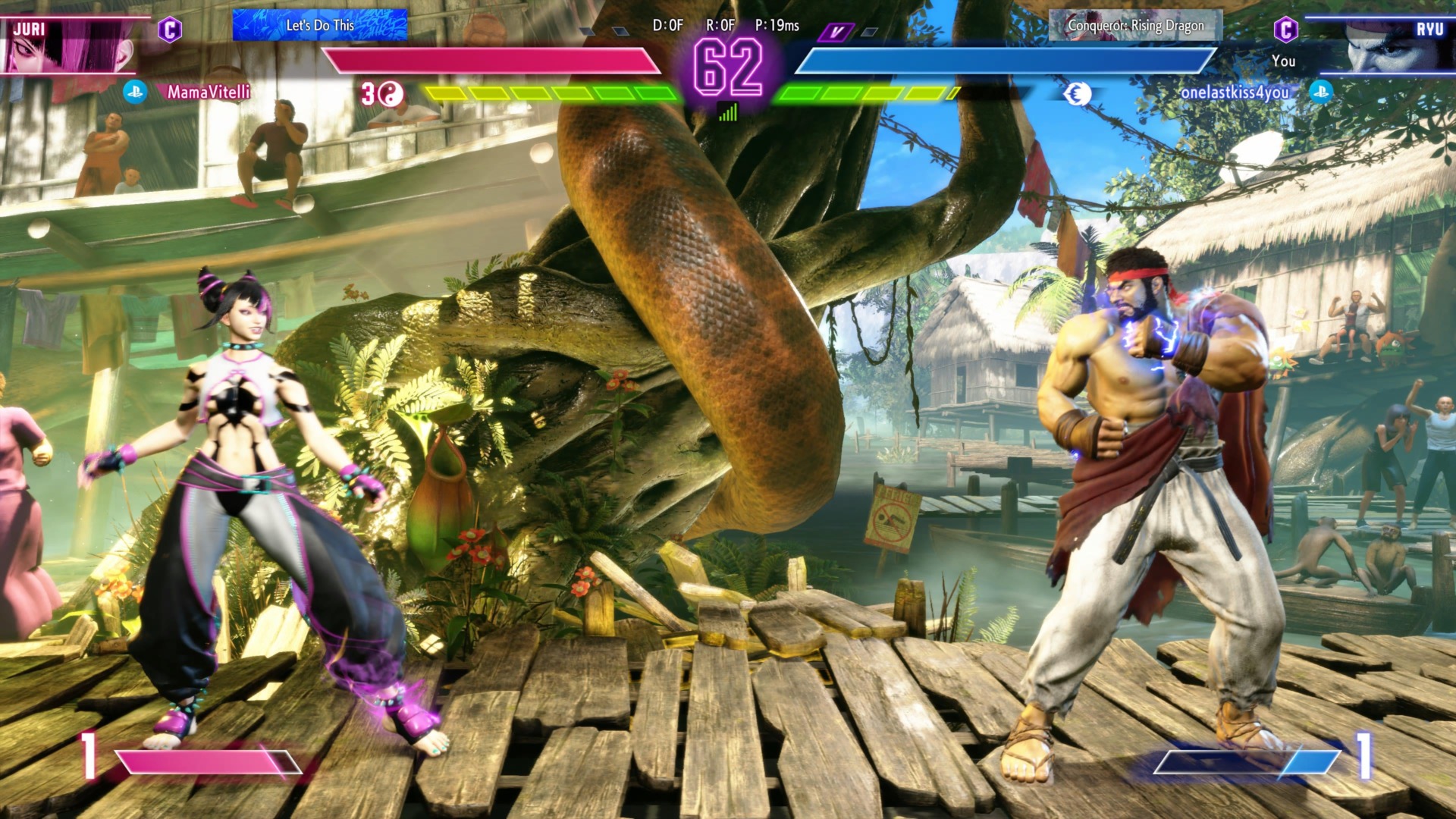
On paper, the Drive Gauge making so many strategies universal—in contrast to the hyper-specialization of SF5’s V-Triggers—might sound like a flattening of Street Fighter’s diverse roster. For example, Ryu and a small handful of other warriors no longer have a monopoly on parries. Instead, I found it freed up design space for the aspects of each character that actually make them special to rise to greater prominence.
The new characters are fresh, and so are the old ones
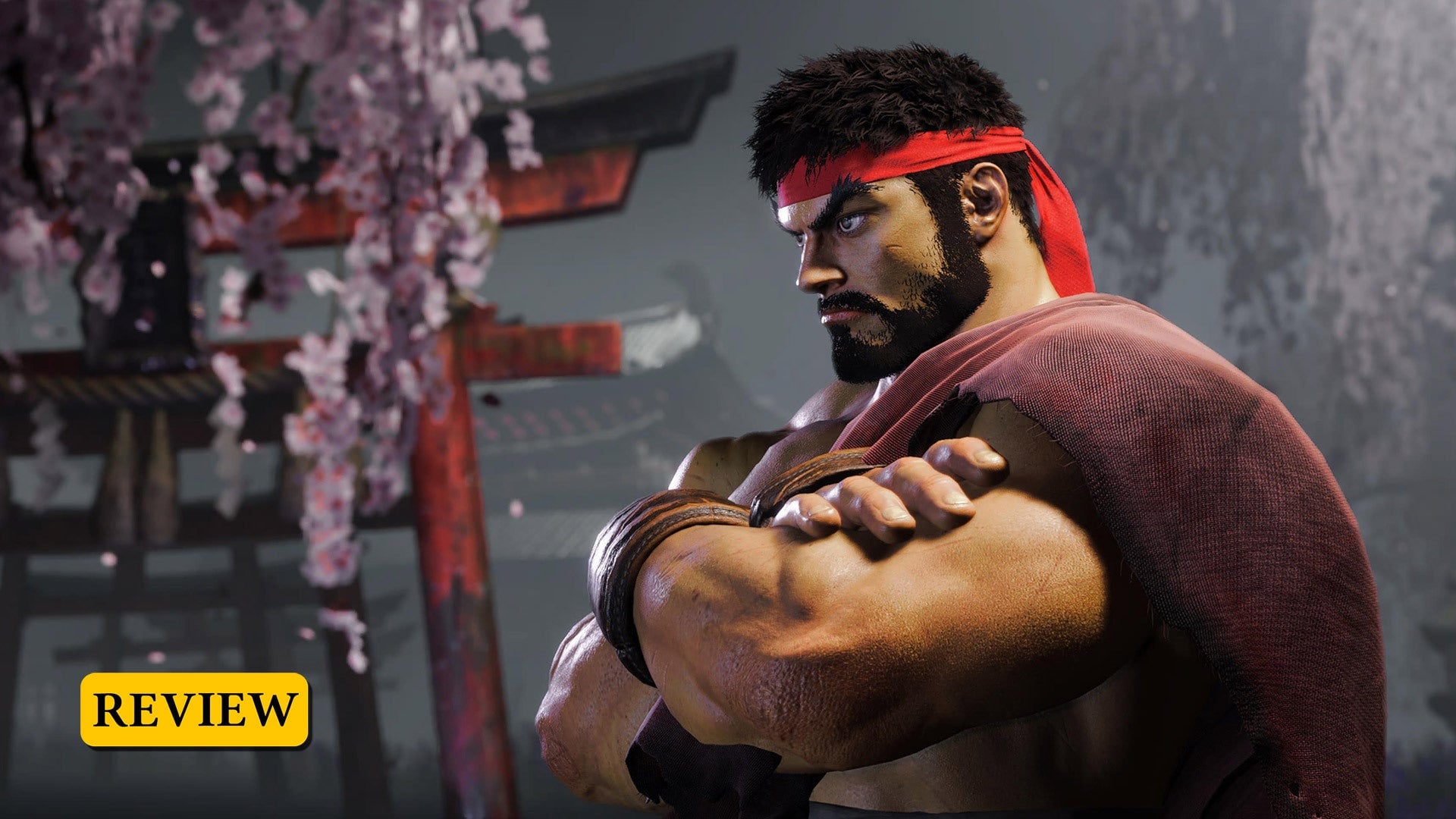
I’m a long-time Ryu main (I’m a sucker for the beard, okay), and his Street Fighter 6 incarnation has the most filled-out moveset in quite some time. Changes like Hashogeki (a close-range, energized jab) no longer being tied to a counter, or the Denjin Charge (which powers up his fireballs distinct from any use of meter) opened my mind to new strategies after playing the character for years. Even after hundreds of matches in Street Fighter 6, I’m still learning new things about my main, and how foes I’ve faced plenty of times in other games are now different, and often more dangerous.
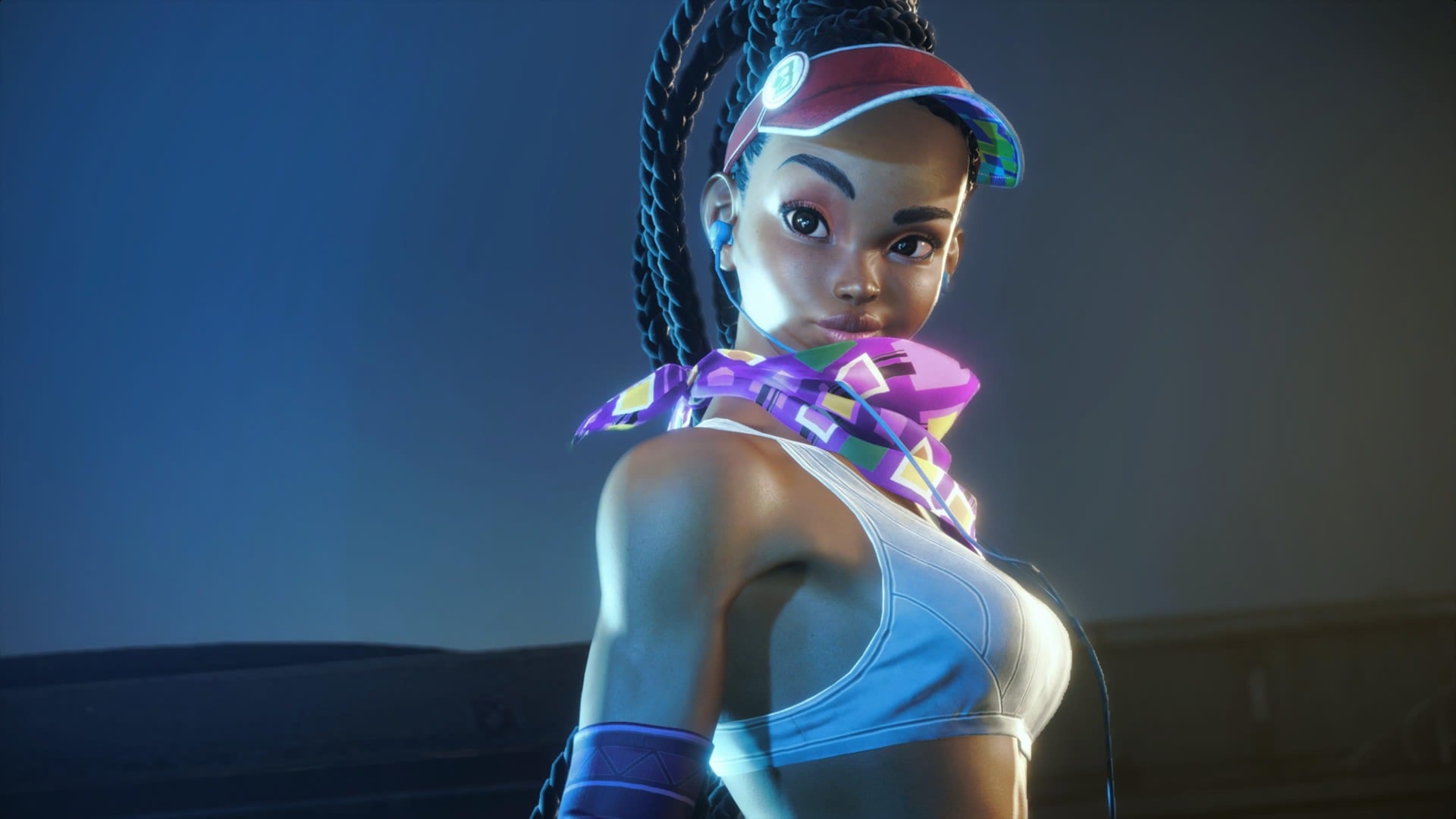
On top of reimagining old faces, Street Fighter 6’s new additions are all forces to be reckoned with, some of whom I’m curious to see how the community reacts to in the coming months. Manon’s grappler moveset is complimented by a mechanic which makes her grabs more powerful with each successful use. (As you’d expect, you’ll want to keep your distance and rely on ranged attacks, lest you end up being used as an unwilling dance partner.) Kimberly’s a student of Guy, and not only is her spray-paint-enhanced ninjutsu playstyle vicious and agile, she’s a style icon who I want to be like when I grow up. JP, who steps into the main villain role now that M. Bison is gone, commands a fight with space-manipulating moves. While I’m still getting used to facing him, I always feel like I’m playing defense and reacting to how my opponent uses his incomprehensible magic to attack me from all angles.
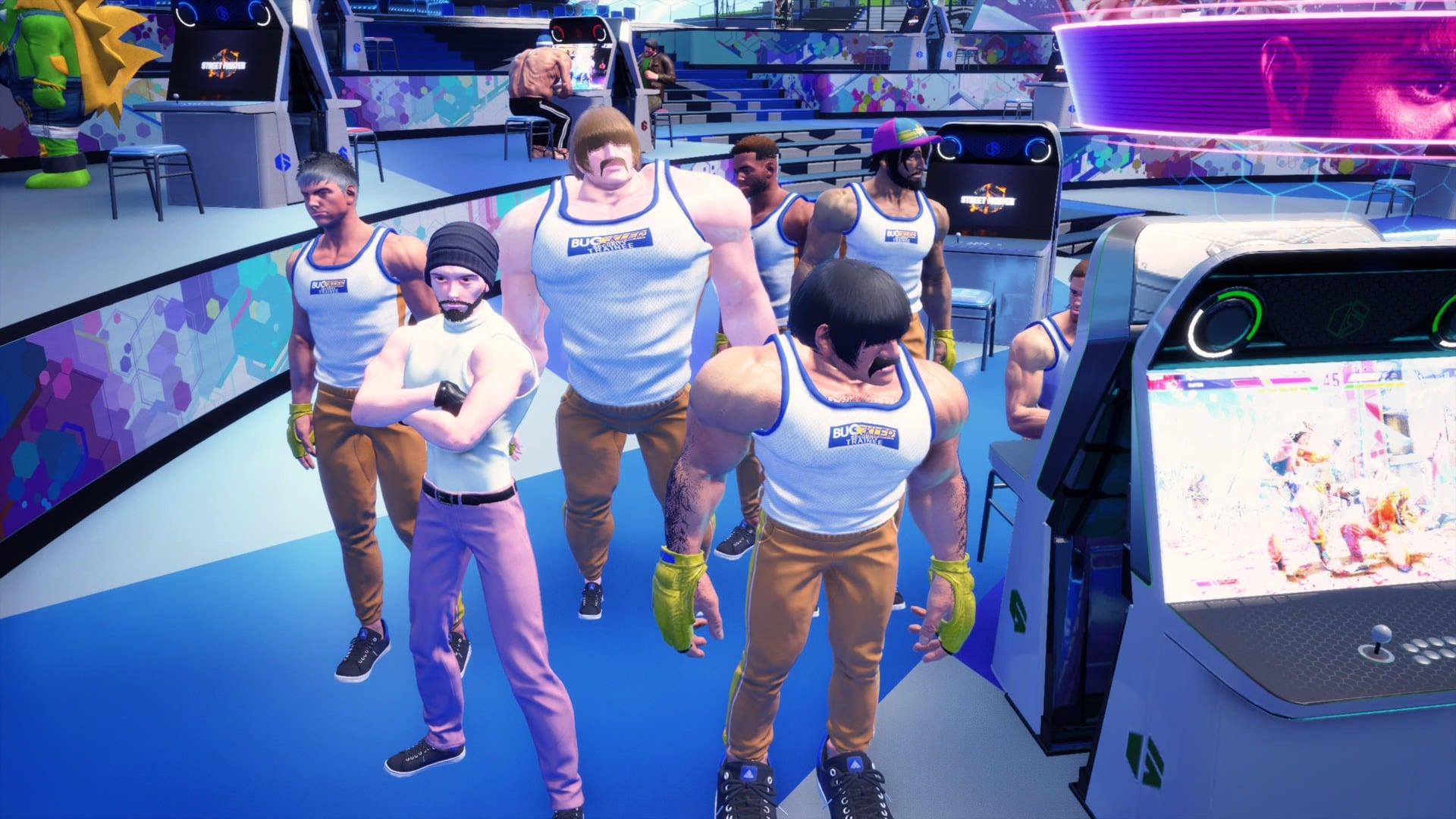
This is the kind of game I want to take online for months or even years to come, and thankfully, Street Fighter 6‘s online has been an effortlessly enjoyable experience thus far. Running around lobbies as my custom avatar, sitting at cabinets with friends, and welcoming passersby to join our queue makes online feel like as communal an experience as you can get in a digital space. Getting in and out of matches is pretty simple, and you can make menu-based private rooms with friends rather than entering the 3D public lobbies if you don’t want to deal with a rando interrupting you and your friend’s sessions. It’s also easy to spectate other players’ matches, and watch replays of the greats. Between both the beta and the final game, I’ve put over 20 hours into Street Fighter 6 online without much of a hitch. I had a few matches against players with worse internet than others, but broadly, my experience online has been pretty great.
I can’t wait to watch pro players take advantage of these new characters and max out their potential, but I’m also interested to see how casual players take to them, because Street Fighter 6 does a lot to try and court the casual audience, from a simplified “modern” control scheme (specials come out of single button presses, at the cost of lower overall damage) to a surprisingly deep RPG-like mode that gives you a story to go along with all the punching and kicking. However, I’m not sure just how much a casual player who button mashes their way through arcade modes will jive with what the game has to offer unless they’re willing to put in time for the grind.
We all live in a Street Fighter world
One of the headline features of Street Fighter 6 is single-player World Tour mode, a story mode that lets you create your own character, interact with the primary cast, and run around its silly little world solving silly little problems. As far as fighting game stories go, it’s no Mortal Kombat or Injustice, but I can’t deny I was absolutely sucked into Capcom’s attempt to make Street Fighter feel like a world that actually exists, rather than just backdrops you fight in.
World Tour’s character creator is one of the most robust I’ve ever recreated myself in, and as a short king, I loved how it let me not only be that in the game, but recognized it mechanically. My character’s a little guy, which means my kicks don’t have as much reach but my hurtbox is smaller. More often than not, character creators can feel like everyone’s dressing up the same two mannequins, but Street Fighter 6 really commits to letting you create who you want and letting them take up real space, literally and figuratively. You can create some real weirdos and the game doesn’t bat an eye, but you can also faithfully recreate yourself and have it be recognized.
Street Fighter 6
-
BACK-OF-THE-BOX QUOTE
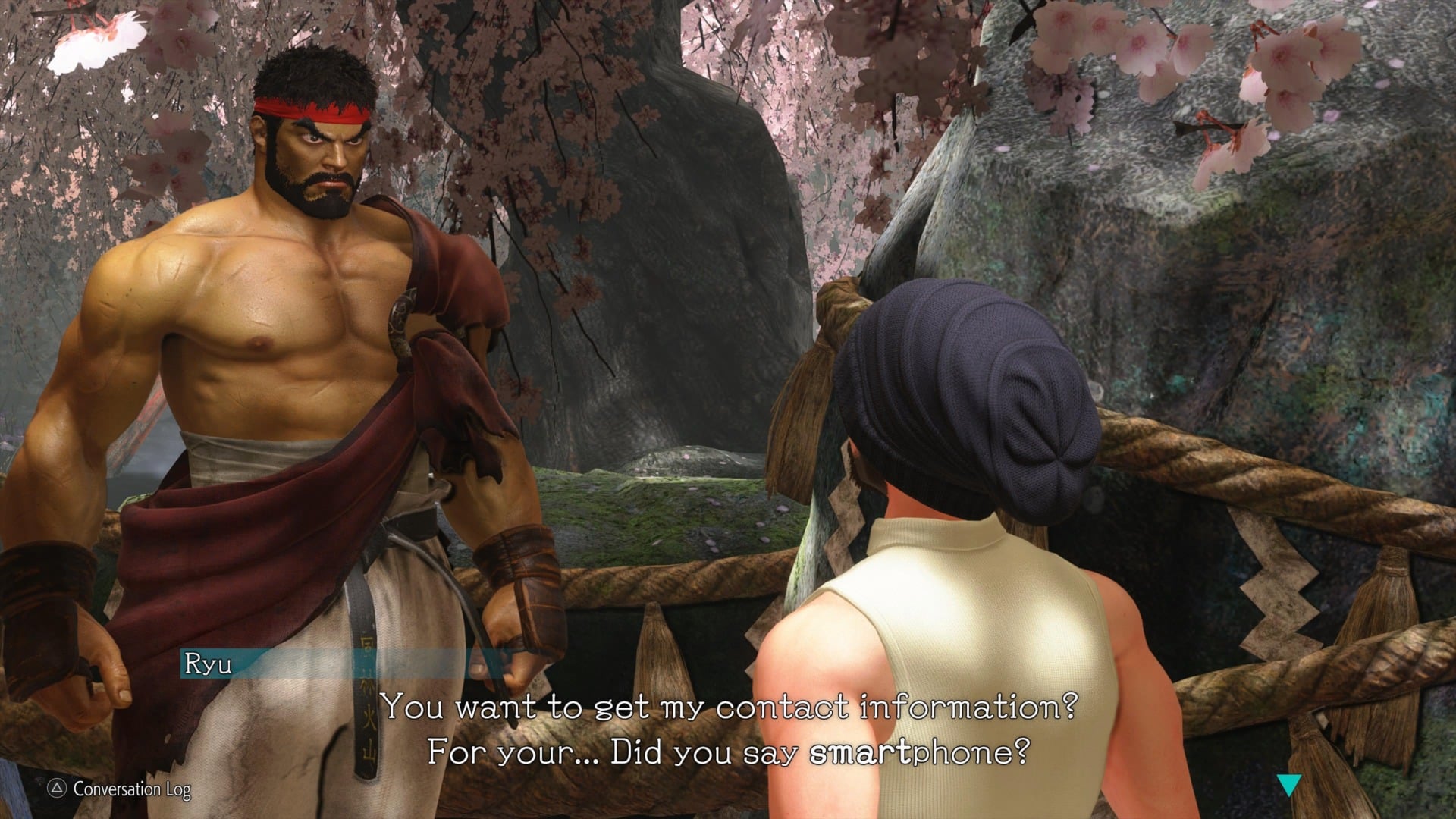
"Ryu Street Fighter gave me his number. Do you think he likes me?”
-
TYPE OF GAME
2D fighting game with a Yakuza-style story mode that lets you make some weird little guys
-
LIKED
Reimagines the Street Fighter formula to bring the best out of its fighters, great online play, captures the personality of its characters and world, the social elements in World Tour are delightful
-
DISLIKED
World Tour mode’s fights feel grindy and tedious
-
DEVELOPER
Capcom
-
PLATFORMS
PS5 (played on) PS4, Xbox Series X/S, PC
-
RELEASE DATE
June 2, 2023
-
PLAYED
30+ hours in the main game, 16 hours in the beta
The actual story World Tour is built on top of is pretty light fare; you get your anime fighting rival and there’s some drama and talk of what “strength” means. That’s all fine and well, but I was genuinely surprised and delighted not by the story, but by the social elements in the gaps.
World Tour lets you meet and train with each character in the main cast, and on top of learning their moves and grafting them together to make your own moveset, there are also social elements that let you develop a relationship with them. Straight up, this is the best part of World Tour. Some of my favorite Street Fighter 6 moments have been listening to Ryu recount old stories and learn how to text (he didn’t know smartphones were a thing). In general, most of the characters don’t have a ton of involvement throughout the main story, but the smaller stories that I passed through remain highlights of World Tour given that I’m not really enamored with its structure beyond that. (After you complete the story, there’s still side-quests and leveling up to do so you can take your character online, but getting to that point feels like a bit of a chore.)
Rise and grind
For a while, I found World Tour frustrating because I was naturally trying to play it like a fighting game. You can run around a small open-world area and meet NPCs with their own problems and missions to send you on, but you can also challenge them to fights, and that part is where World Tour goes from a fun jaunt through the streets to a weird, often grindy and tedious exercise in button mashing. While World Tour’s fights are real-time action affairs they’re heavily governed by RPG-style stats. There are levels to gain and stats to juice, but even when you’re at or around the same level as a major boss, they still have more health and hit harder than you can.
Whereas playing as the main cast online offered balanced fights that were quick affairs of outsmarting one another, World Tour fights often felt like wars of attrition in which I would have to laboriously wear down enemies who had bigger life bars and could cut mine in half with a quick combo. Instead of playing to my character’s strengths, I was spamming hadokens just to chip away at their giant health pools. The stakes often feel high, as retries are limited and only replenished by spending time walking through the world, making them a precious resource. You can use items to boost your power and heal during these fights, but it sure sucks if you burn the precious items and then lose anyway.
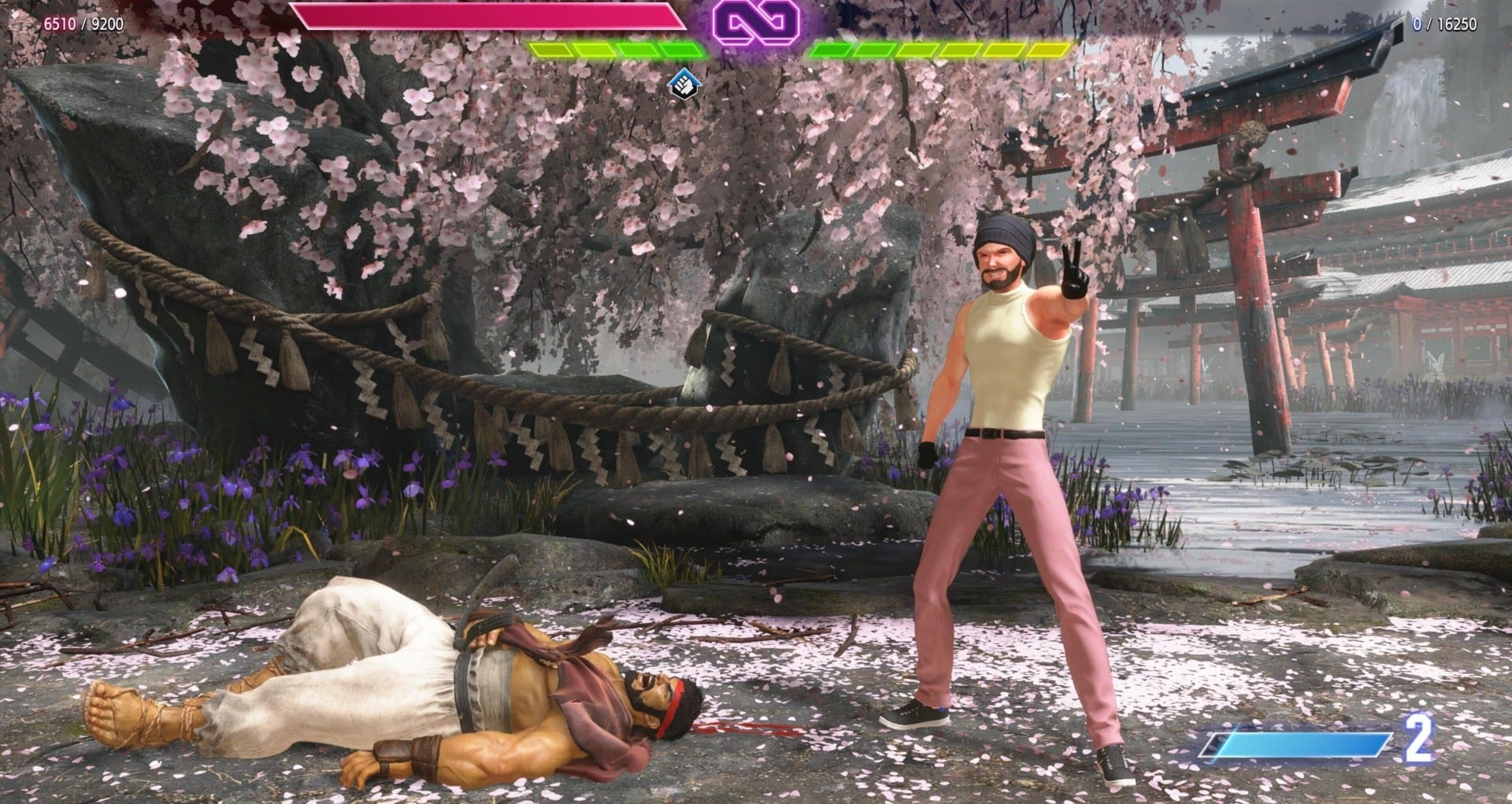
Across the board, World Tour’s combat felt arduous, whereas it felt effortless and rewarding in any other mode. I loved putting myself into Street Fighter’s world and interacting with characters I’d loved for years, but every time a big story moment came I dreaded having to confront another OP boss. World Tour contains some of my favorite things to come out of Street Fighter in years, but the unfair-feeling fights felt like vegetables I had to power through to get back to dessert.
It’s a shame that the actual fighting is the worst part of World Tour, because it has so many cool ideas. Making a customized moveset full of different character’s attacks (à la Ace from Street Fighter EX3) feels like I’m keeping pieces of the people I’ve met throughout my journey. I love the idea of players creating their own builds and pitting their avatars against each other in the online lobbies, I just feel like World Tour leans so hard into the RPG framework that it loses a lot of the skill-based satisfaction that comes with getting better at a fighting game.
If you’re the type who loves a grind and enjoys the prospect of wailing on a bunch of civilians to make numbers go up, this mode has that. If you want to play through some really fun stories featuring your favorite Street Fighter heroes and villains, that’s one of World Tour’s biggest draws. But if you’re interested in a tight, satisfying fighting game experience, World Tour isn’t quite that, and it sucks because a mode geared toward people who don’t want to be FGC experts shouldn’t so often feel frustrating and insurmountable for reasons that go beyond how fighting games typically play. I wonder if World Tour will put more casual fans off at least as much as it draws them in.
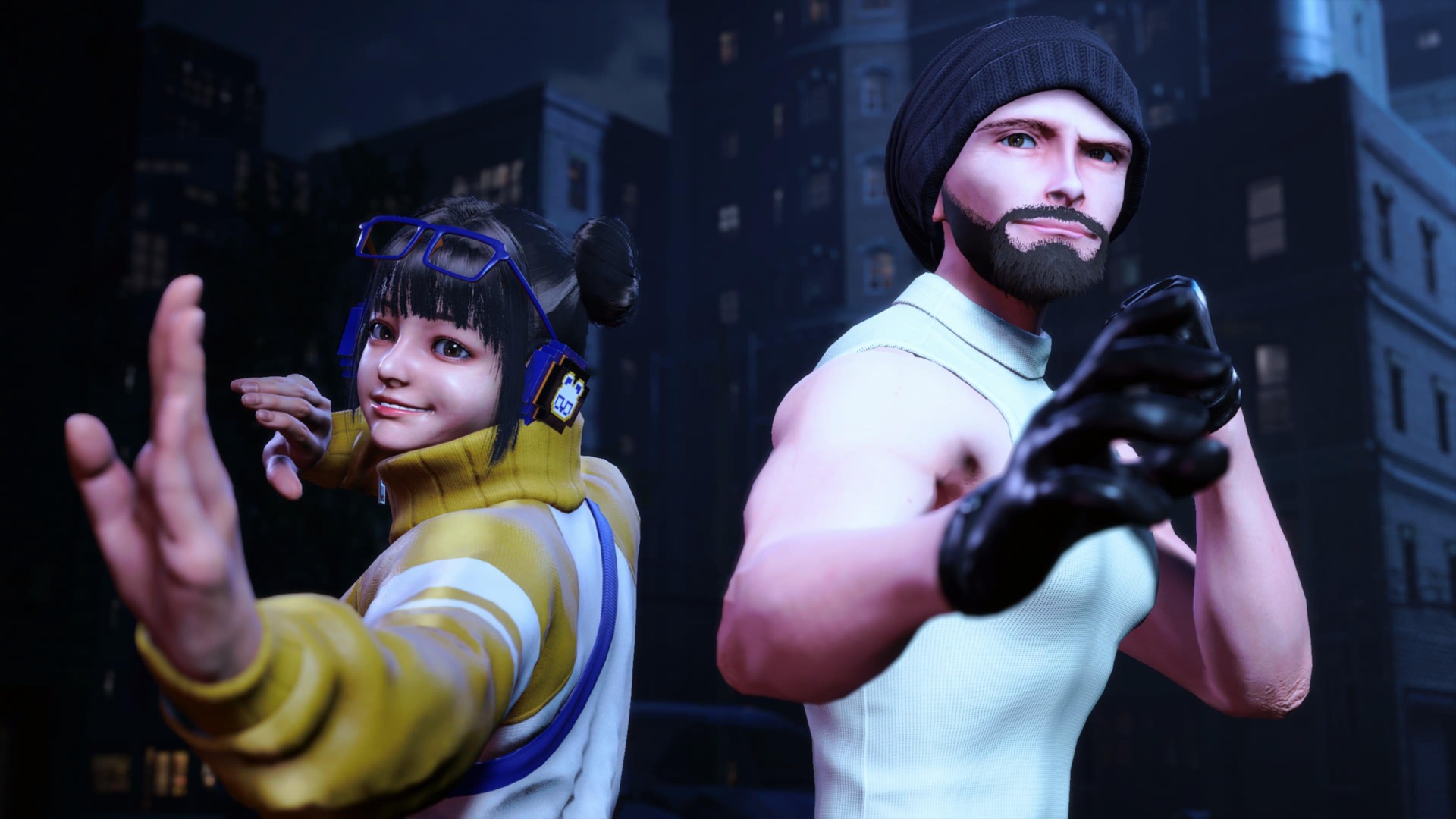
Despite my frustrations, I left World Tour with a greater appreciation for all the best parts of Street Fighter 6 It’s a sublime fighter that makes smart changes that honor what makes the series great. It’s also a full, complete game from the start, that won’t need to be fixed and extended with endless updates later. The game’s energetic street fights, bolstered by a filthy visual flair that feels down and dirty in a way the series hasn’t in years, makes it as fun to watch as it is to play. It’s style and substance. It’s depth and spectacle. Street Fighter got its soul back, and I can’t wait to see where Capcom takes it as the next generation of fighting games kicks off.