Despite the harrowing circumstances impacting the world, 2020 was a stand-out year for PlayStation.
Over the course of 2020, Sony published more than half a dozen top-shelf games, a huge step up from last year’s scant offerings. Beyond that, the company pushed out two models of an ambitious gaming console, and boosted support for the ancillary services available for that console (and the previous one). By no means was 2020 a perfect year for Sony, as it sure wasn’t for any of us; the company can no doubt build on and improve a whole lot in 2021 and beyond. But all things considered, the past 12 months served as both a fitting farewell for one PlayStation generation and a solid start for the next.
The PlayStation 5 stayed out of sight, then landed with a bang.
Everyone knew it was coming. The specs were revealed in March. The controller—a hefty, Stormtrooper-white gizmo called the DualSense—in April. An initial reveal was planned for a digital event on June 4. It was delayed after protests for racial justice spread across America, following the killing of George Floyd at the hands of Minneapolis police. Sony rightfully pushed the event back by a week. “Being silent about the racism and violence Black people experience is being complicit,” the company wrote in a tweet. “We stand in solidarity today and every day with the Black community.”
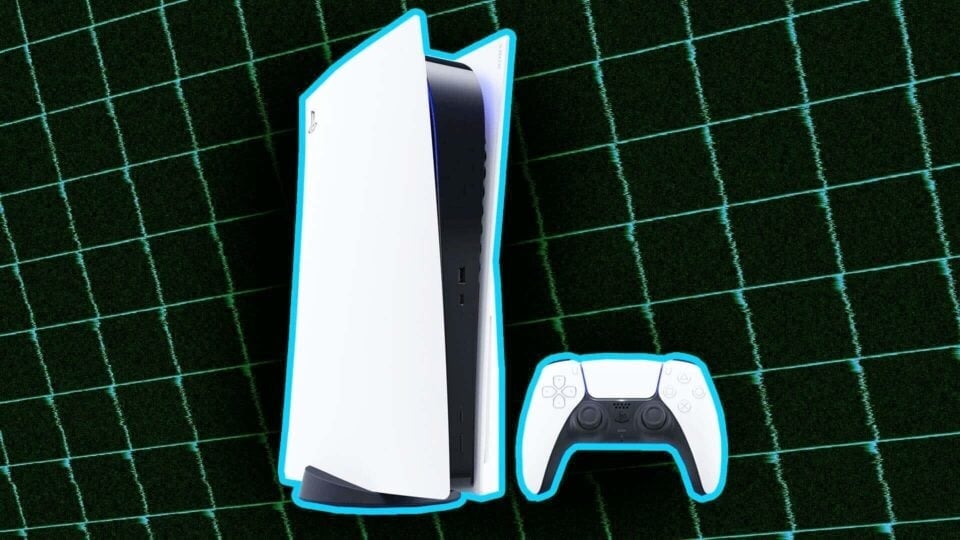
When Sony pulled back the curtain on the PlayStation 5 on June 11, people were taken aback. It certainly didn’t look like any video game console that preceded it. Many likened the thing’s silhouette to an internet router, or a chic, futuristic version of Sauron’s malevolent obelisk from The Lord of the Rings. One writer drew a comparison to Abu Dhabi’s striking Etihad Towers. Beyond words, the internet’s meme machines had a field day
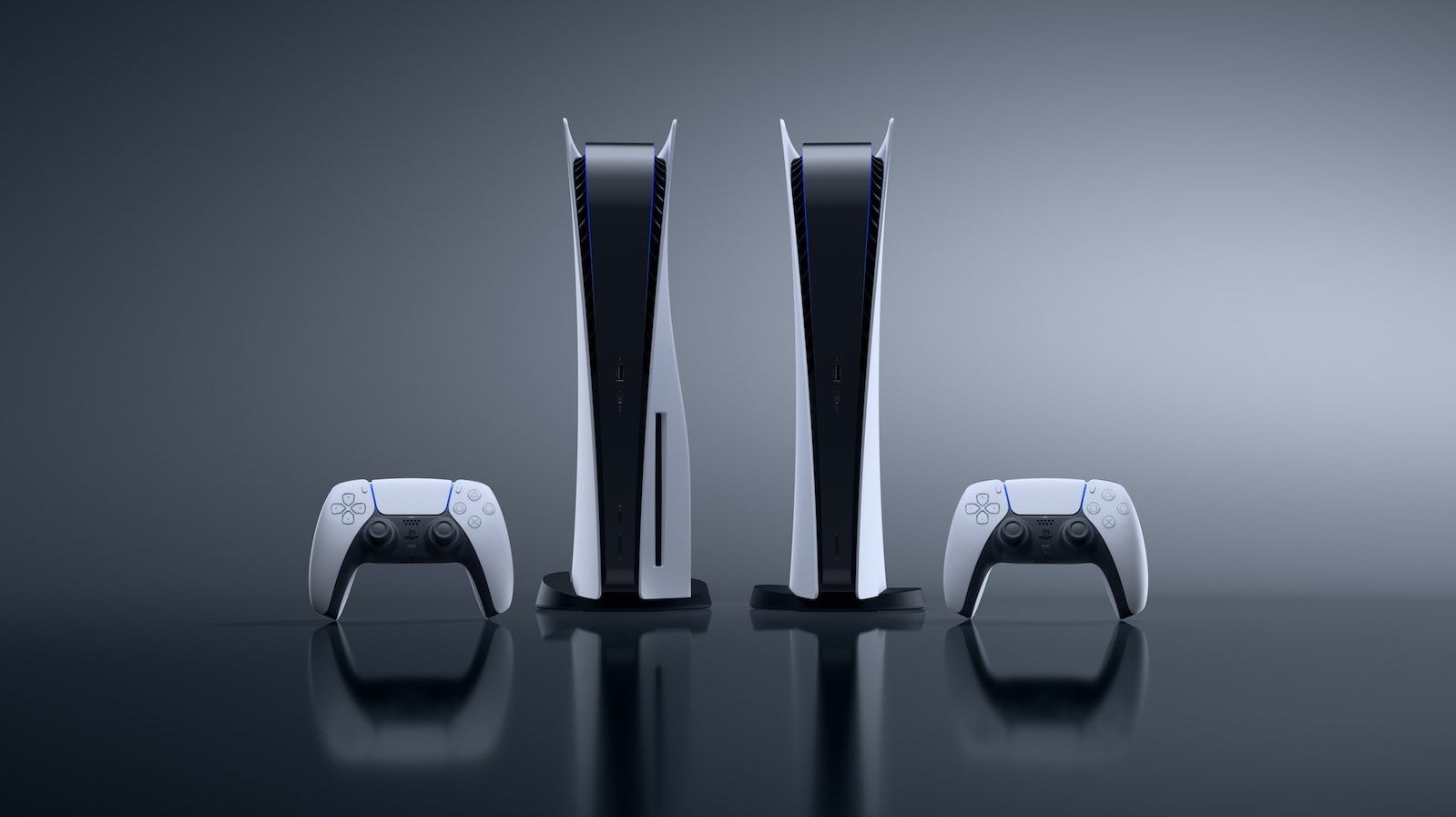
Like its chief competitor, Microsoft, Sony would release two console models in 2020. There would be more daylight between Microsoft’s two models than Sony’s, however. The Xbox Series X and Series S rocked markedly different specs. Both models of PlayStation 5 came equipped with the same technical guts; one just didn’t have a disc drive. Backward compatibility existed for both models, but those with disc-based libraries would be out of luck if they sprung for the All-Digital edition.
Following a months-long game of chicken with Microsoft, Sony revealed the price tags for both PS5 models in September: $499 for the standard, $399 for the All-Digital—a far cry from that infamous “$599” gut punch two generations prior. The PlayStation 5 finally launched on November 12 in a handful of key markets, and November 19 everywhere else.
That doesn’t mean it was easy—or possible—to get one. Securing a pre-order before launch was an utter debacle. Securing one after has arguably been more of one. Retailers resupplied with minimal stock and little forewarning, leaving prospective buyers clicking away at a web listing that, more often than not, would disappoint. Meanwhile, PlayStation’s proprietary “Direct” buying portal has been nothing more than a mess of queues, randomization, and frustration. Those conditions still persist. It’s not much better on the brick-and-mortar front, either. In early December, as the coronavirus pandemic showed signs of a climbing second wave across the United States, GameStop allocated a minimal restock to stores with the barest hint of a heads up to its employees.
https://lastchance.cc/playstation-5-the-kotaku-review-1845588904%3C/a%3E%3C/p%3E
First, the storage: 825GB. That’s not bad for an on-paper figure. Though less than what the mid-generation PlayStation 4 Pro offered, it was still more than what came with the base PlayStation 4. But just 667GB of that 825GB was allocated for games, with the rest partitioned off for the operating system and other essential files. Consider the ever-ballooning size of games these days—and throw a strange, persistent issue in which many backward-compatible PS4 games seemingly take up more space than indicated—and you can see how that 667GB won’t be enough to last a generation.
In March, the messaging around backward compatibility was somewhat fuzzy, suggesting that backward compatibility for the PS4’s 4,000-game catalogue would roll out gradually on the PS5, rather than being available wholesale on day one. Eventually, that line shifted to the broader claim that “99 percent” of PS4 games tested before launch would be playable on the PS5. Ten games wouldn’t work at all. A further 100 or so would, albeit with the possibility of “errors.” Before launch, Ubisoft said a handful of games, including Assassin’s Creed Syndicate, wouldn’t work on the PS5, then quickly backpedaled. (Syndicate technically works on the PS5 via backward compatibility. It has some funny shadows.)
The PlayStation 5 also copied the most infuriating aspects of the most infuriating social networks: a newsfeed. Throwing a newsfeed on the dashboard wasn’t the issue. The fact that it seemingly signed players up to receive notifications about games they no longer played—and then made it a pain to tone down those notifications—was. At least the feed wasn’t terribly obtrusive.
Cross-generation games also proved confounding: Both the PS4 and PS5 versions showed up in the game library or download page. It was all too easy to install the PS4 version of a game onto a PS5, and to continue playing without realizing it wasn’t the snazzy new one. Compared to the Xbox’s ballyhooed “Smart Delivery” feature—which simply downloads the next-gen version of a game, when available—the PlayStation 5’s method felt archaic and needlessly complex.
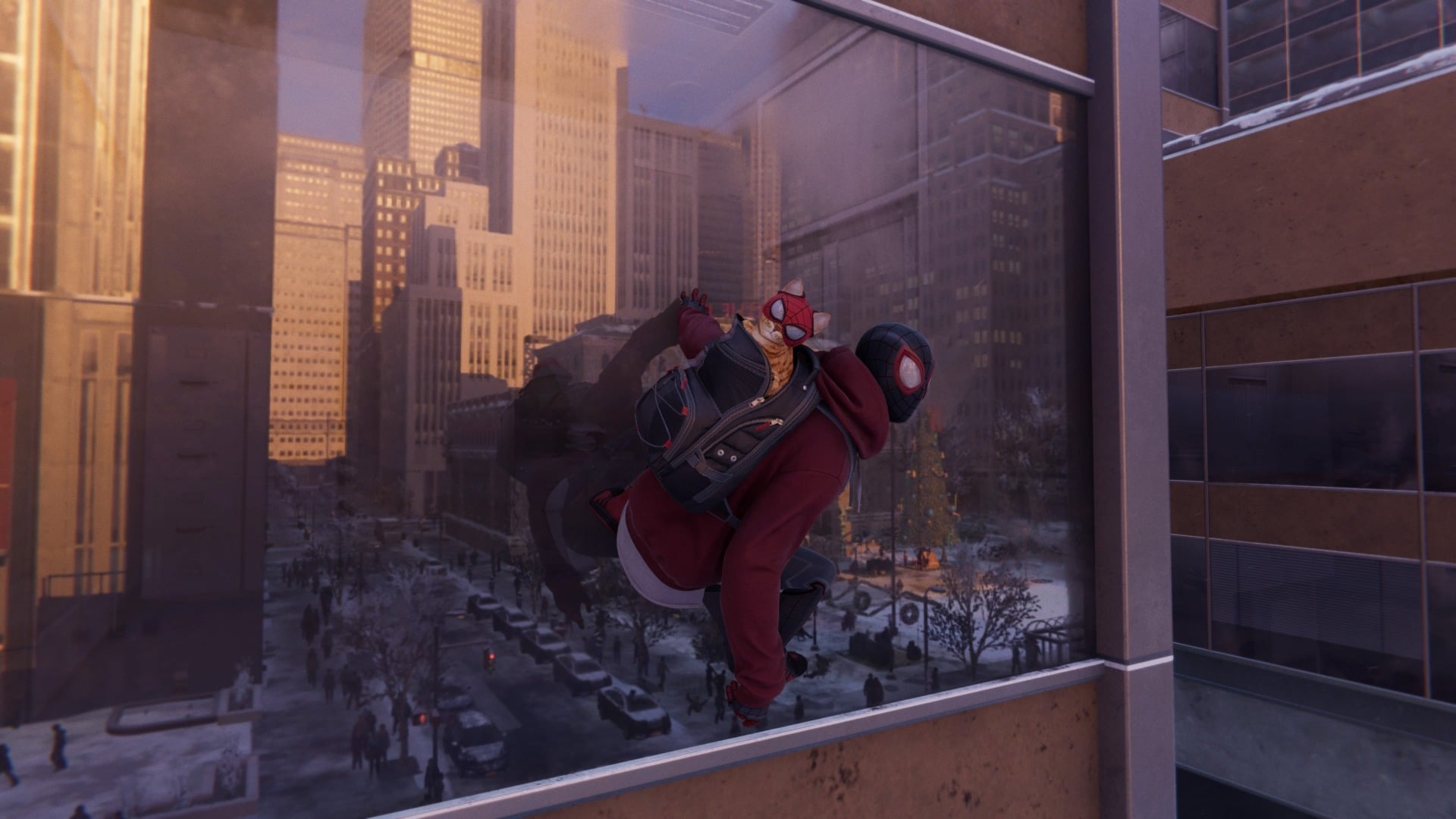
Regardless of any foibles, the PlayStation 5’s raw power couldn’t be denied. For starters, it loaded games at blistering speeds. One launch title, Spider-Man: Miles Morales, could “cold boot”—the time it takes to go from clicking on the game’s dashboard icon to controlling the main character—in as short as 15 seconds. Some backward compatible PS4 games, like Borderlands 3, saw that cold boot figure reduced by entire minutes. PS4 games didn’t receive notable visual upgrades on PS5, at least not to the untrained eye, but native PS5 games were rendered beautifully. Some even allow players to further customize visuals by offering multiple display modes. Generally, this took the form of a “fidelity” mode (prioritizing resolution and ray-tracing over framerate) or a “performance” one (framerate over those other things). But, in December, developer Insomniac Games added a mode to Spider-Man: Miles Morales that more or less combines the two.
The PlayStation 5’s physicality was another matter. Yes, many people poked fun at the size, shape, and overall style (or lack thereof). Once it was in the hands of players, another problem arose: Setting it up wasn’t exactly as easy as falling off a log. The thing came with an awkward, missable stand. Some people, including a top Sony exec, either didn’t know how or perhaps didn’t care to properly follow the packaged instructions, instead orienting horizontally and “upside-down.” (To date, no apparent, widespread problems result from such a setup.)
And then there’s the DualSense controller. As far as next-gen innovations go, few beat out the DualSense. The button layout registered as immediately familiar for longtime PlayStation players—the X, Square, Circle, and Triangle face buttons are exactly where they’ve always been, for instance—but everything else felt fresh, truly worthy of that “next-gen” moniker. In gameplay, the triggers tightened and loosened dynamically; rumble effects indicated more than the one-note vibration that, with most games, triggers during a collision. These advanced haptics were most acutely felt in Astro’s Playroom, a free game pre-installed on all PlayStation 5 units. Scaling a wall while wearing a robotic monkey suit replicated the real-world tension of bouldering. Sliding down an ice chute caused the controller to hum with muted vibrato. Hopefully more developers make use of the DualSense’s capabilities in the future.
PlayStation’s slate of exclusives bounced back.
Last year, just three major exclusive games landed on PS4: the tepidly received Days Gone, an annual release of MLB: The Show, and Hideo Kojima’s Death Stranding, which has since come to PC. In summing up PlayStation’s largely positional 2019, Kotaku noted that “PlayStations don’t tend to go quietly at the end of a console generation.” That statement couldn’t have borne out more accurately in 2020, the de facto twilight of the PlayStation 4. All throughout the year, terrific games landed on PlayStation 4, and many of the heaviest hitters weren’t playable anywhere else.
February kicked things off with the official release of Media Molecule’s Dreams, a game—well, more of a creativity incubator—that spent about a year in early access beforehand. Players created all sorts of outstanding short films, mini-games, and other works of art before the day-one release. But the ne plus ultra, no surprise here, spawned from the brilliant minds at Media Molecule: “Art’s Dream,” a feature-length showcase of all the spectacular things you can do in Dreams
A Cyrus sister got in on the action, too.
Final Fantasy VII Remake followed two months later. Despite the title—and the expectations for a banal retreading that usually come with “remake”—it was way more than a mere reconstruction of the landmark 1997 original. Much of the game was set on an expansive map called “the pPlanet”.” The opening hours, meanwhile, were set in a blatantly class-divided megalopolis called Midgar. With Remake, developer Square Enix squeezed a 40-hour action role-playing game out of just the Midgar section, complete with all the bells and whistles you’d expect from a big-budget project. People who played the original game loved the new one. People who didn’t play the original loved it (though were rightfully perplexed by that bonkers ending). A follow-up is reportedly in production and will come out “as soon as possible.” Get those 2028 calendars ready, people.
Two months after that, The Last of Us Part II, Naughty Dog’s follow-up to one of the most venerated action games in history (2013’s The Last of Us), released to divisive reception but remarkable sales. It didn’t have an easy road to market. Initially planned for February, the game was pushed to the final week of May. Then, in April, Sony indefinitely delayed the game as a result of the coronavirus pandemic, which, at that point, was spreading the world at an alarming rate. And it’s impossible to discuss the game without mentioning the well-documented crunch conditions in which it was developed. The Last of Us Part II would ultimately win the Game of the Year award at the 2020 Game Awards.
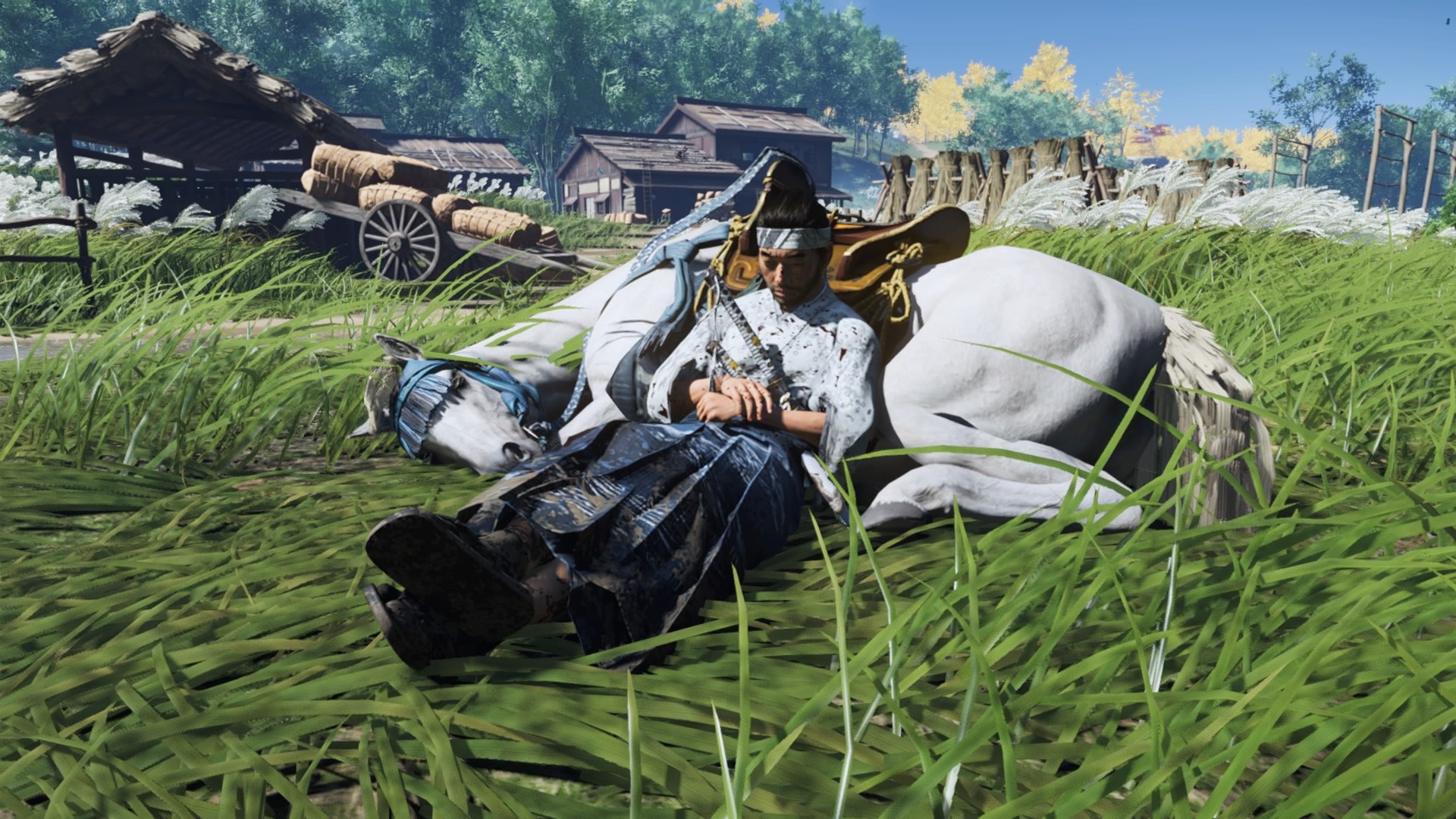
One month later, we got Ghost of Tsushima, the open-world samurai game from the venerable development studio Sucker Punch. As far as expectations, Ghost largely hit the mark with invigorating gameplay, stunning visuals, and an endlessly fascinating, expansive game world. In October, Sucker Punch added a robust cooperative mode to the game, complete with a nine-chapter campaign, a three-chapter raid, and four levels designed for waves of combat, horde-style. Bonus: The whole add-on was free. Ghost of Tsushima would ultimately win the Player’s Choice award at the 2020 Game Awards.
And then the fall rush came, anchored by the PlayStation 5 and the slate of games that launched alongside it. A contemporary remake of Demon’s Souls wowed players with its eye-popping visuals, faithful gameplay, and mysteriously locked doors. It was only available on PS5. Astro’s Playroom, the pre-installed game, turned out to be a charming, engaging platformer, and pulled double duty as a walk down memory lane for longtime PlayStation devotees. That game, too, was only available on PS5. Godfall, from Counterplay Games was a tight, competent, fun action game full of the bombast and spectacle you’d want in a launch title. Godfall was available on PC alongside PS5, and its timed console exclusivity window will lapse next year.)
The launch of the PS5 didn’t leave PS4 owners out in the rain. Insomniac’s thrilling Spider-Man: Miles Morales—a medium-sized sequel to the company’s smash hit Spider-Man PS4 game from 2018—was available for both PS4 and PS5. As was Sackboy: A Big Adventure, which offered some family-friendly platforming but lacked the create-your-own-everything modes that defined the LittleBigPlanet games. Young Horses Games, the independent studio behind Octodad, released Bugsnax for PS4, PS5, and PC. The game’s mix of puzzles, exploration, and quirky humor worked. The story’s final act did not
In short, PlayStation’s slate of games in 2020 was the magnetic opposite of what it was in 2019. And the company made sure to own it. In May, Sony announced a new umbrella for first-party games—complete with an MCU-like logo, which you can see when booting up PS5 games—called PlayStation Studios.
PS Now failed to take off (again), but Sony ramped up other services.
Near the end of 2019, Sony dropped the monthly price of PS Now, the company’s robust games-on-demand service, to $10. (An annual subscription is available for $60.) For those who’ve slept on PS Now, it shares the same fundamental pitch as Microsoft’s similar Netflix-style service, Xbox Game Pass. Throughout the year, marquee games flitted in and out the PS Now library, including Control, Uncharted: Lost Legacy, Horizon Zero Dawn, and Watch Dogs 2, all of which temporarily augmented a roster of hundreds of games dating back to the PlayStation 2.
It’s difficult to pinpoint why Sony’s games-on-demand service hasn’t captured the zeitgeist the way Microsoft’s has. (Microsoft recently revealed that more than 15 million people subscribe to Game Pass, up from 10 million in the spring. A May 2020 report, which offers the most recent figures publicly available, pegged PS Now’s subscription base at a little over 2 million.) Both are priced similarly. Both offer an impressive library of games, including hot exclusives. PS Now even has a leg up on Game Pass in terms of instant gratification: It’s possible to stream PS Now games directly to your console, something Game Pass does not currently allow for. Games don’t perform as well when streamed as they do when downloaded, but at least you can test-drive them a bit before committing entire gigabytes of your bandwidth (and storage space).
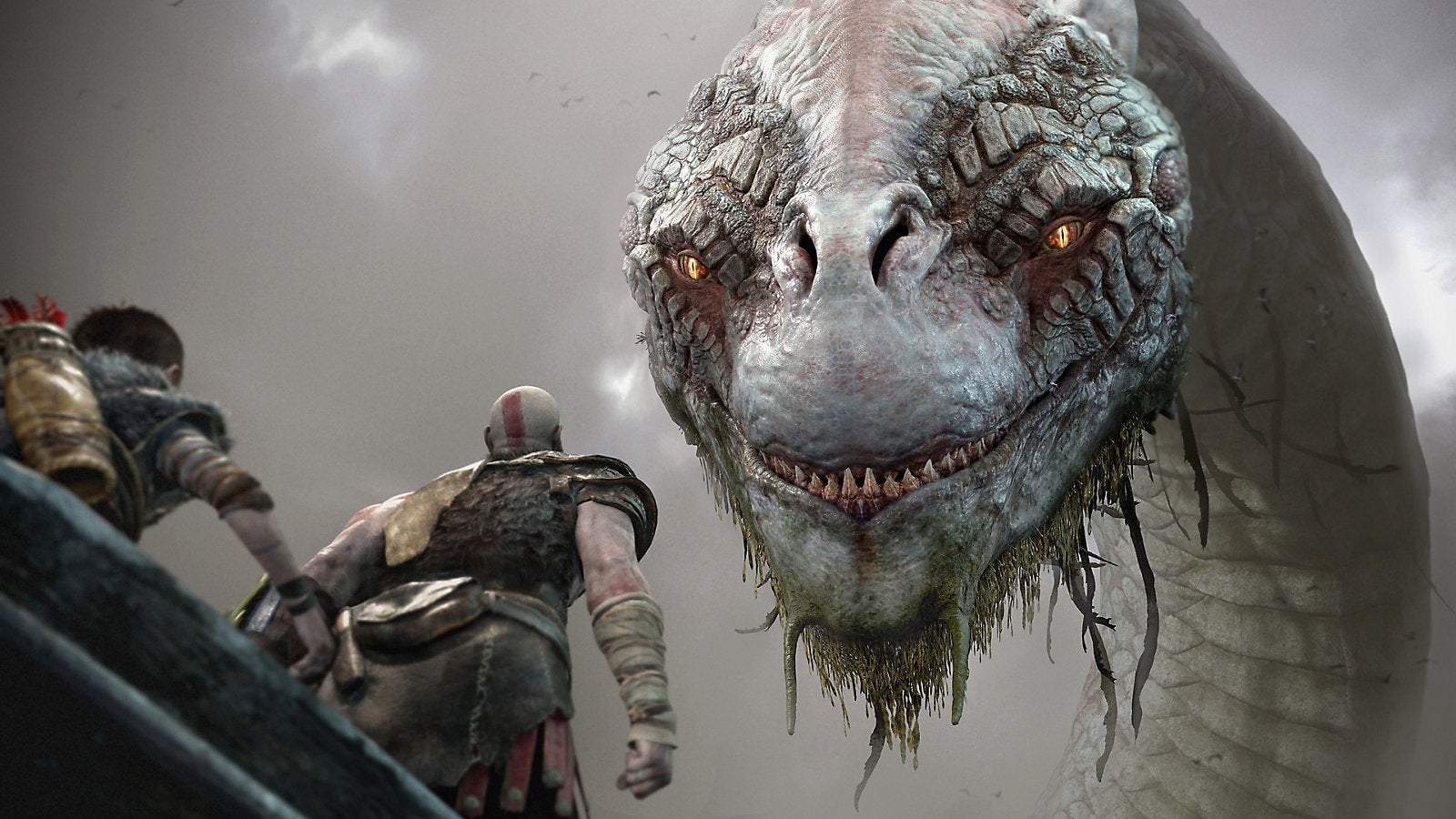
PS Plus, Sony’s premiere membership program, remained mostly the same as it ever has. There was one notable exception: PS Plus members lucky enough to score a PlayStation 5 also received access to the so-called PS Plus Collection, which grants instant access to some of the most popular PS4 games on PS5. When it was first announced, during a September digital event, the roster featured 18 titles, including The Last Guardian, Until Dawn, Bloodborne, Uncharted 4: A Thief’s End, and Monster Hunter: World. That list has since been expanded to include Call of Duty: Black Ops III and Crash Bandicoot N. Sane Trilogy. It’s anyone’s guess as to how, or if, it’ll grow in the future.
Some PS5 players tried to trick the system into granting their PS4-owning friends access to PS Plus Collection games. They were summarily banned
Sony’s PlayStation smartphone app received a major overhaul in late October. Following the update, players could use it to access PlayStation messages and create Party Groups, and remotely install games to or uninstall games from a PlayStation console. It also included built-in access to the PlayStation store. (In other PS Store news, Sony started pulling PS3, PS Vita, and PSP games from the digital store in October.)
PlayStation expanded its remote play services, too. In early November, a surprise app landed on PS4 that allowed users to remotely play PS5 games. Those with a PS5—or, more practically, those who knew someone with a PS5—could boot up the app and stream next-gen games, pending a stable internet connection. Some performance was left on the table, of course, but it served as a neat way for PS4 players to play their friends’ PS5 games, and to sate impatience over the maddening unattainability of next-gen consoles for most consumers.
Frustratingly, you still need to subscribe to PS Plus to store save files in the cloud. An annual membership costs $60.
What next?
PlayStation put out a stellar slate of games in 2020. If the planned slate for next year goes off without a hitch, 2021 will be just as strong. Better yet, some of the highlight games will come out on both PS4 and PS5.
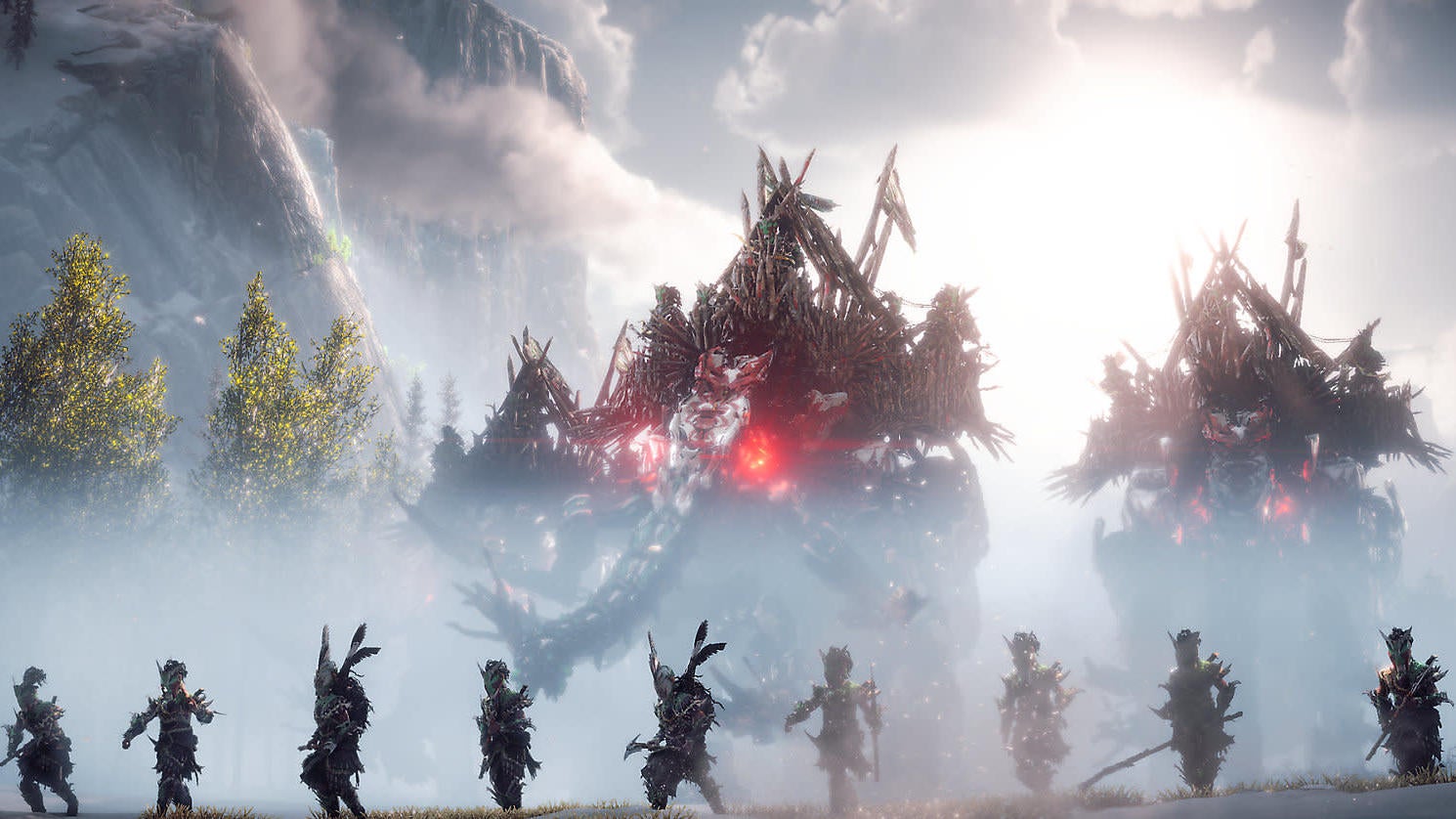
The big one to watch for is Horizon Forbidden West. Bows, robot dinosaurs, the inimitable Lance Reddick—everything that made the first game so special is present in the upcoming sequel. Sony announced that the game will release in the back half of next year, but hasn’t confirmed a specific date. When it comes out, it’ll be available on both PS4 and PS5. A follow-up to 2018’s soft reboot of the God of War series, God of War: Ragnarok, is expected to release in 2021 for the PS5. Sony won’t say whether or not it’ll be available on PS4, too. (Bust out those shrines to Freyja sooner rather than later.)
Some games are confirmed as PS5-only titles. Ratchet & Clank: Rift Apart is planned for a ”launch window” release. (It’s unclear when the “launch window” ends and the regular window begins.) Gran Turismo 7 will also race onto PlayStation 5 sometime next year. Housemarque’s Returnal, an apparent live-die-repeat horror, sci-fi game, is planned for a March release on PS5. All of these games will likely be preceded by Destruction All-Stars, a derby game that was originally planned for release day-and-date with the PlayStation. Two weeks before the PS5 launched, the game was delayed to February of next year.
There’s no shortage of third-party, cross-platform games on the way, too. The year will kick off with IO Interactive’s Hitman 3, in late January. Ubisoft is expected to publish Far Cry 6, Rainbow Six Quarantine (yes, that name apparently has not been changed), and the Steep-like Rider’s Republic in the first half of the year.
Following Microsoft’s $7.5 billion acquisition of ZeniMax Media—a groundbreaking deal that’s set to finalize next year—Microsoft will publish two major games for PlayStation. The first is Deathloop, developed by Arkane Studios. Unlike the developer’s previous assassin-based series (Dishonored), Deathloop will feature a significant, but optional, multiplayer component, wherein other players invade your game and try to take you out. It’s out in May. There’s also Ghostwire: Tokyo, a horror game from Tango Gameworks (The Evil Within). No specific release date for that one, outside of a broad “2021” window. Despite existing under the Microsoft umbrella, neither game will be available on Xbox for some time after release.
Way down the line, there’s Project Athia, a fantasy game from Square Enix. That one has a peculiar situation: It will be console-exclusive to PlayStation 5 for a “minimum” of two years. Final Fantasy XVI is in the works, too. Neither game has a release date.
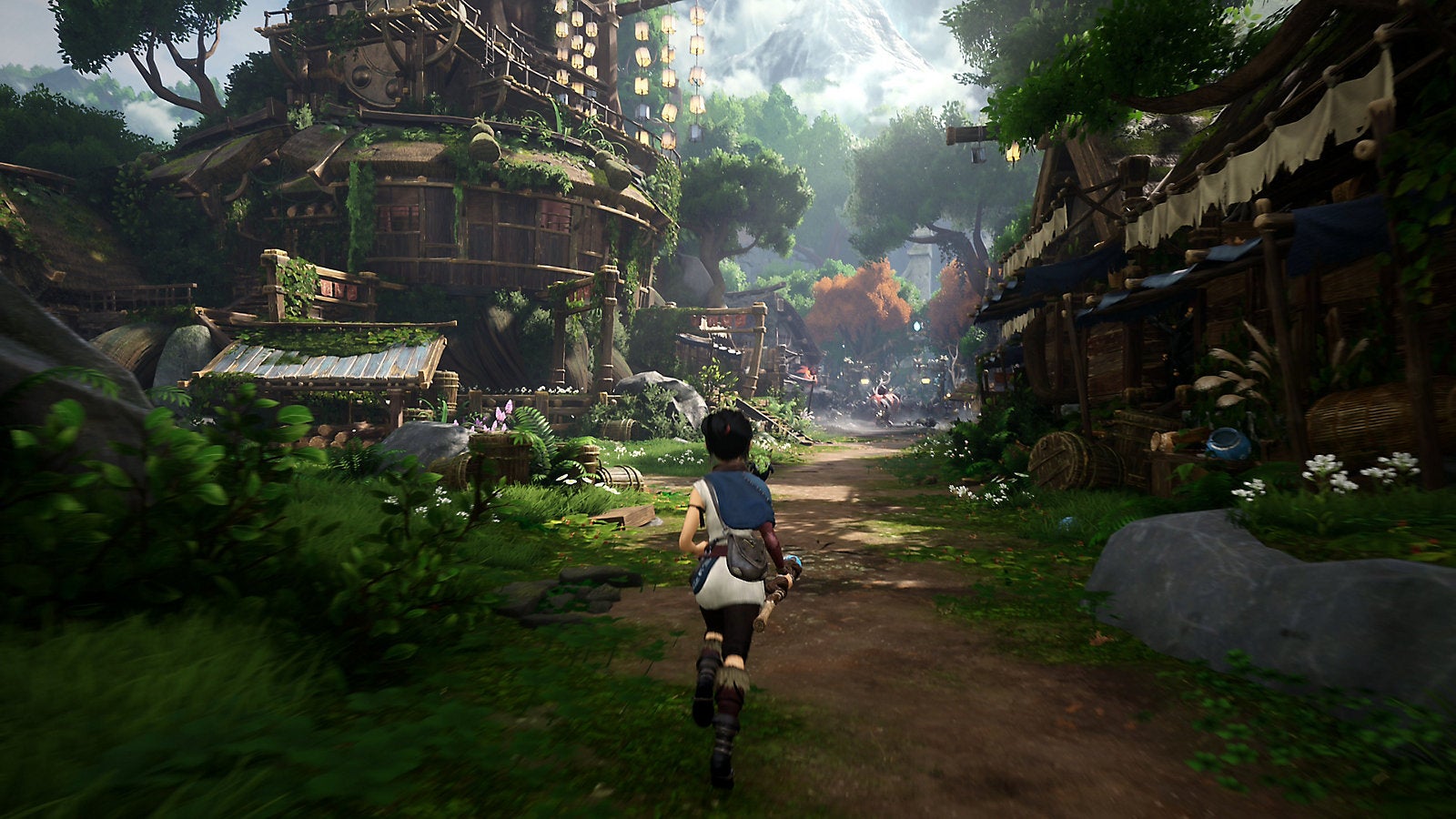
Outside of the tent poles, a raft of intriguing smaller games are en route to PlayStation next year. March will see the release of Kena: Bridge of Spirits, an action game with some serious Ori vibes, for PS4, PS5, and PC. Annapurna Interactive, the publisher behind some of the most beloved indie hits of last generation, will publish two games for PlayStation in 2021: Solar Ash, a sci-fi game with some seriously inspired art direction, and Stray, a cat simulator. (Aww.) Both are timed console exclusives, but will also be available on PC. Few games have activated Kotaku’s collective appetite more than Goodbye Volcano High, a narrative-focused coming-of-age game starring anthropomorphic animals and some seriously emotionally manipulative music. That’s planned for a 2021 release for PS4, PS5, and PC. Bring on the feels.
A cloud hangs over every one of these games: the potential sticker price. Following the precedent set by cross-platform cash cows NBA 2K21 and Call of Duty: Black Ops Cold War, some PlayStation 5 games now sport $70 price tags. Demon’s Souls, Godfall, and the ultimate edition of Spider-Man: Miles Morales—which comes bundled with a version of 2018’s Spider-Man revamped for PS5—all cost $70. When it hits shelves in February, Destruction All-Stars will cost $70, too, as will March’s Returnal. It’s anyone’s guess as to whether or not that price tag will become the new normal, but most signs point to “yes.” (Presumably, those games from smaller studios won’t run you $70, but hey, anything’s possible.)
Games aren’t the only things to watch out for. The PlayStation 5 doesn’t currently output in 1440p—key for those with such displays—but could add native support for that resolution in the future. Most of the other documented issues with the console serve less as permanent blemishes and more as missteps Sony could improve on (if you practice the art of optimism). And then there’s the console itself. The relative scarcity of PlayStation 5 units could, and hopefully will, swing far in the other direction, depending on how the supply line bounces back next year. The past year has no doubt been an exercise in weathering turbulence, but, with the vaccine now going out, one can see clearer skies on the horizon.
Related Stories
https://lastchance.cc/the-state-of-xbox-in-2020-1845898805%3C/a%3E%3C/p%3E
https://lastchance.cc/the-state-of-the-nintendo-switch-in-2020-1845926441%3C/a%3E%3C/p%3E
https://lastchance.cc/15-tips-to-make-the-most-of-your-new-playstation-5-1845654237%3C/a%3E%3C/p%3E
https://lastchance.cc/the-best-games-for-the-playstation-5-1845726626%3C/a%3E%3C/p%3E