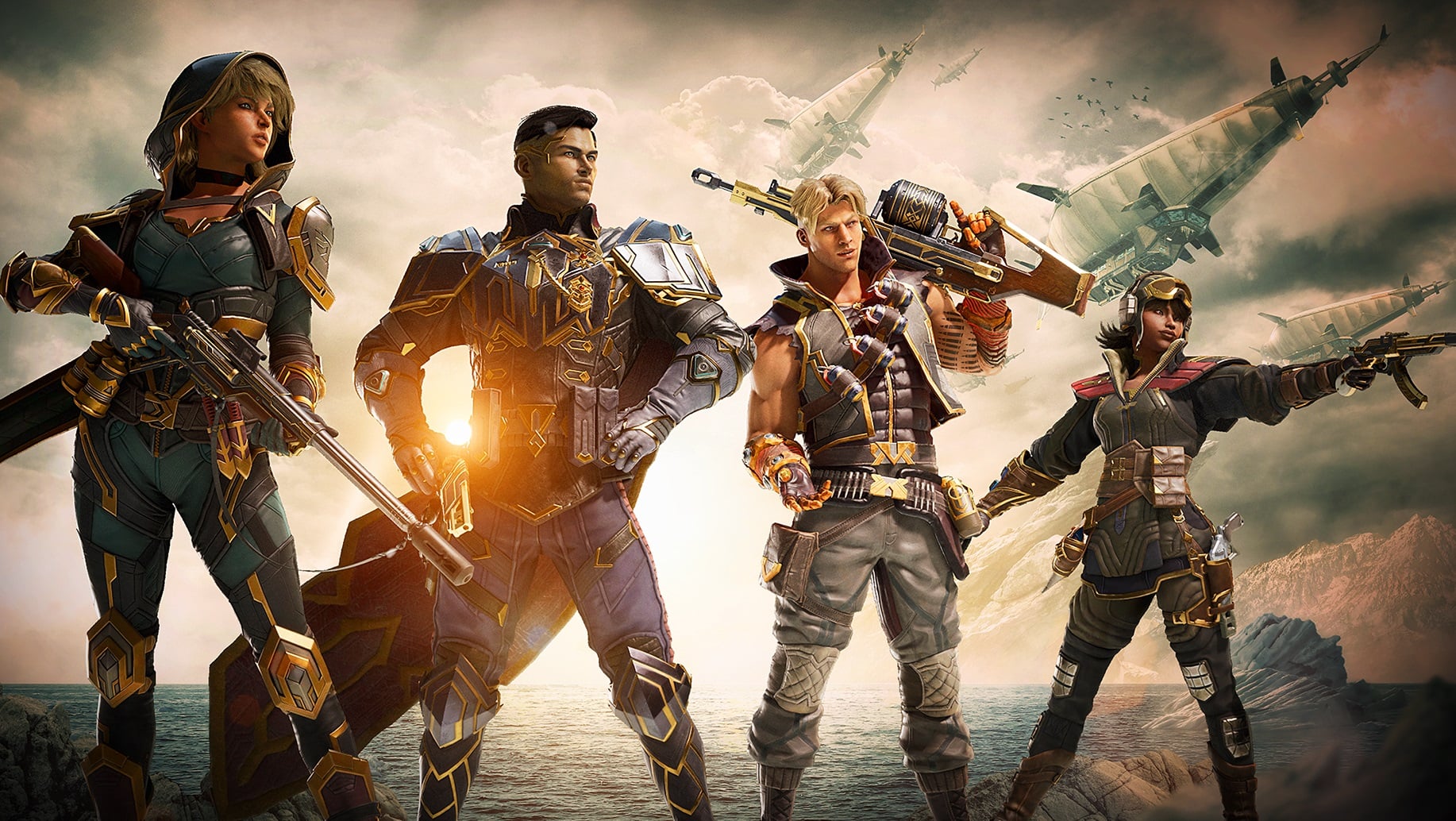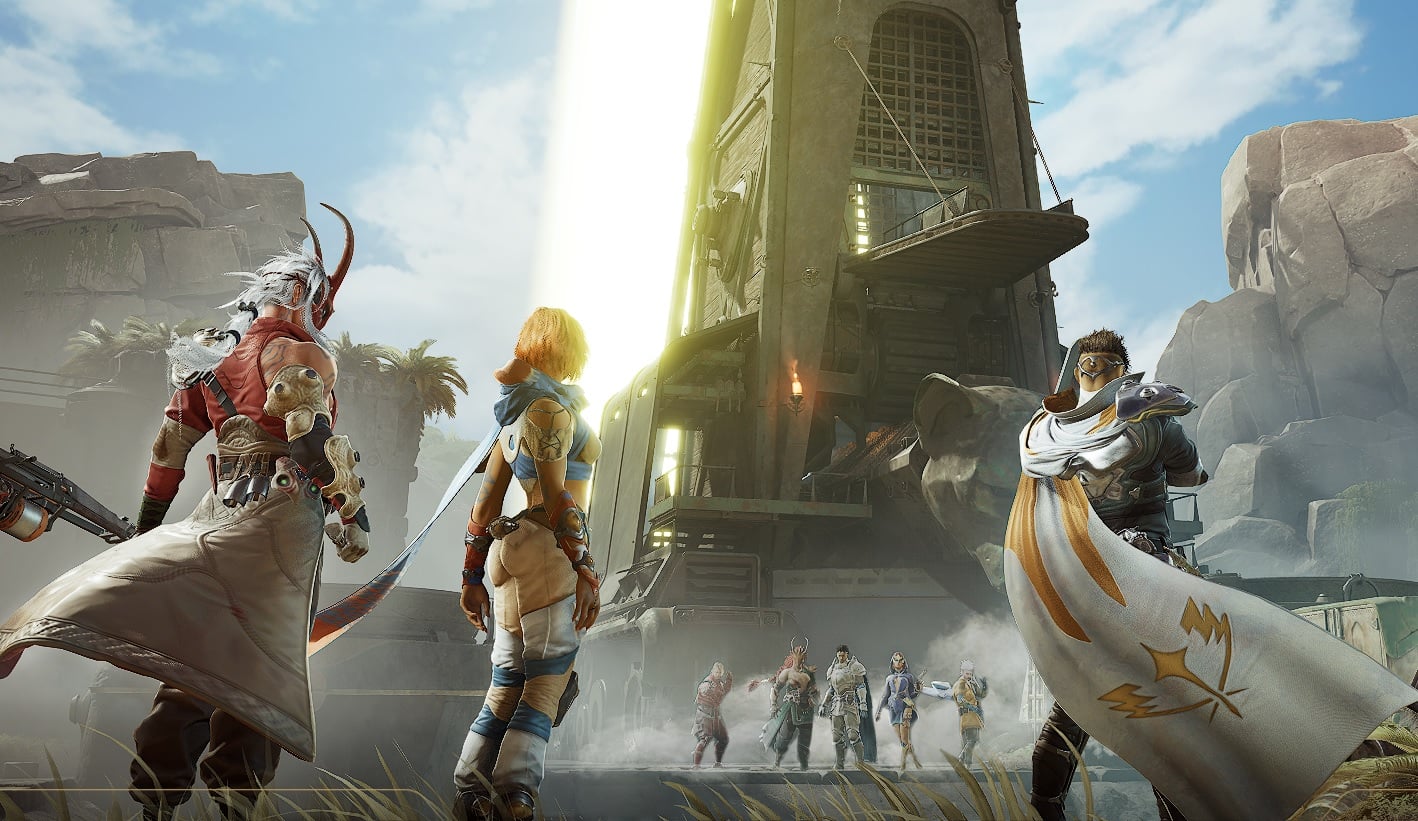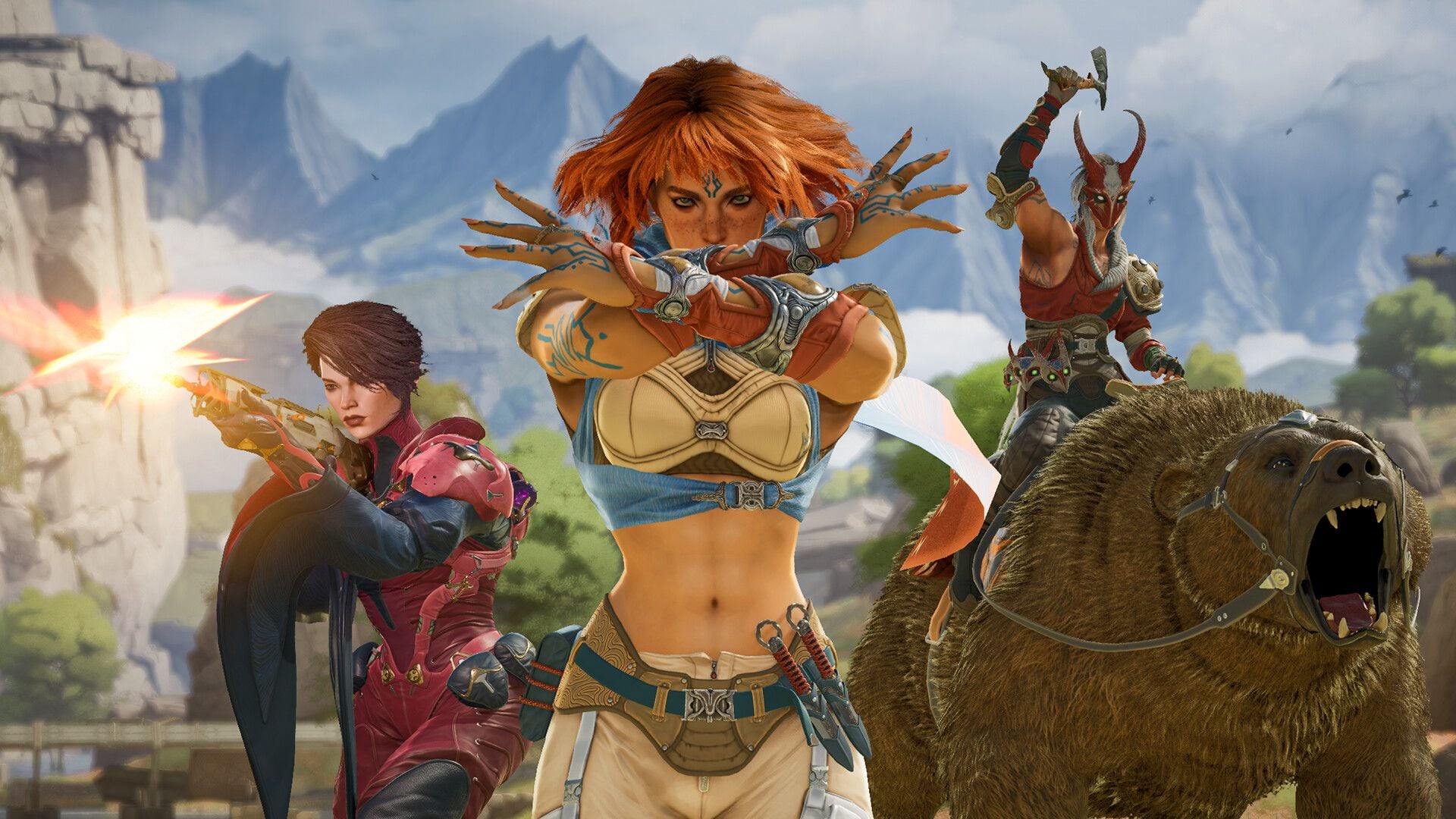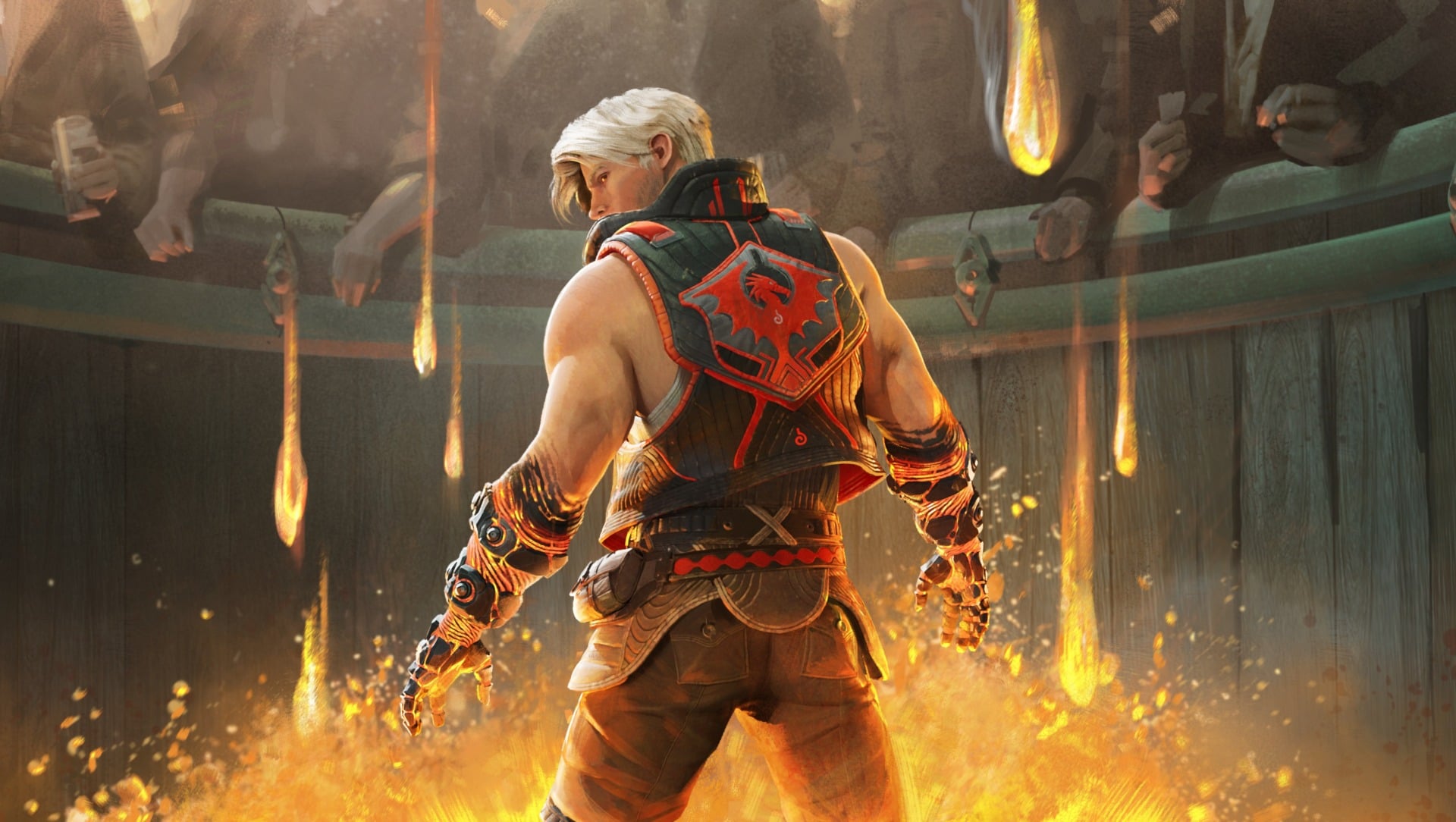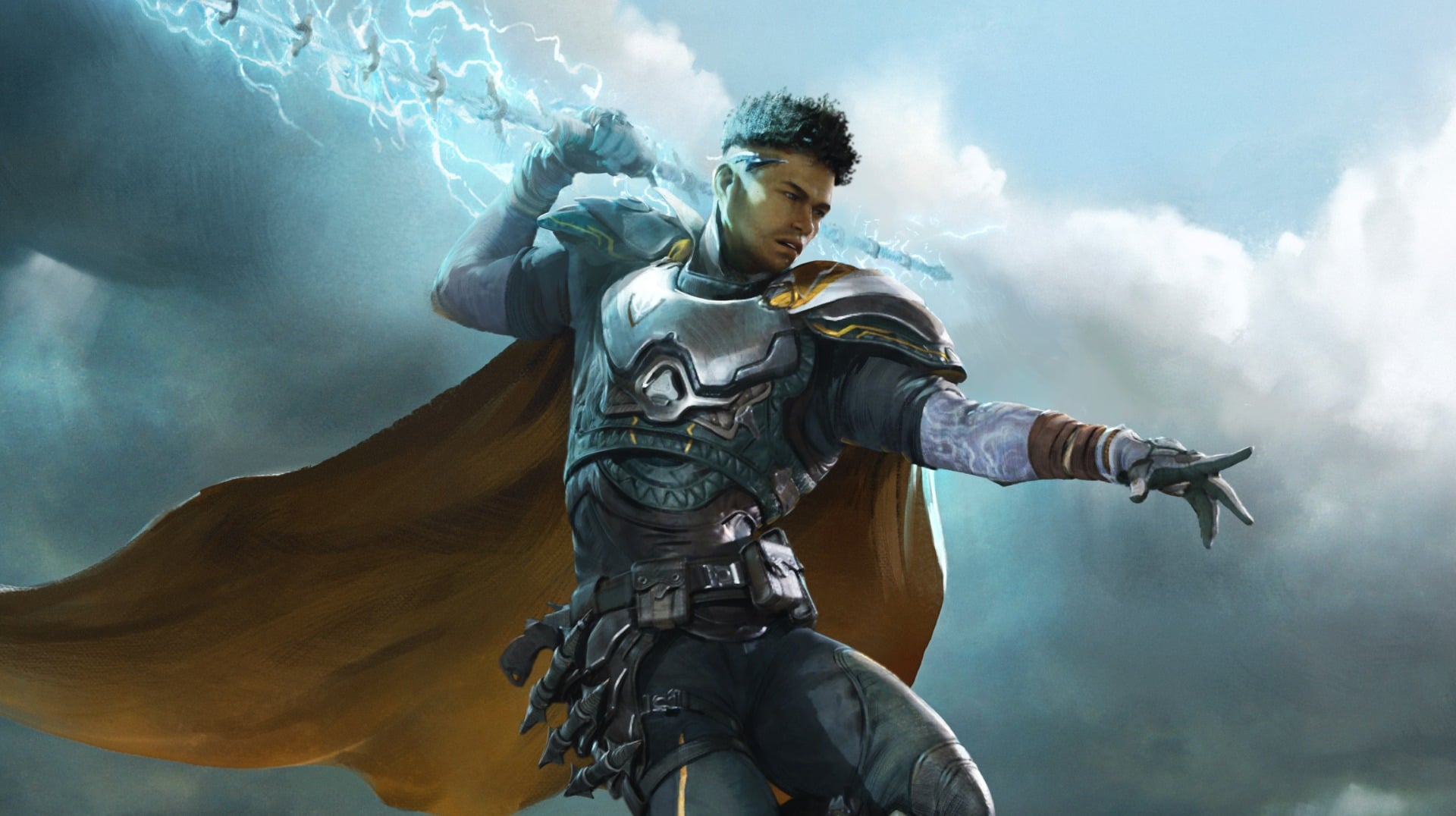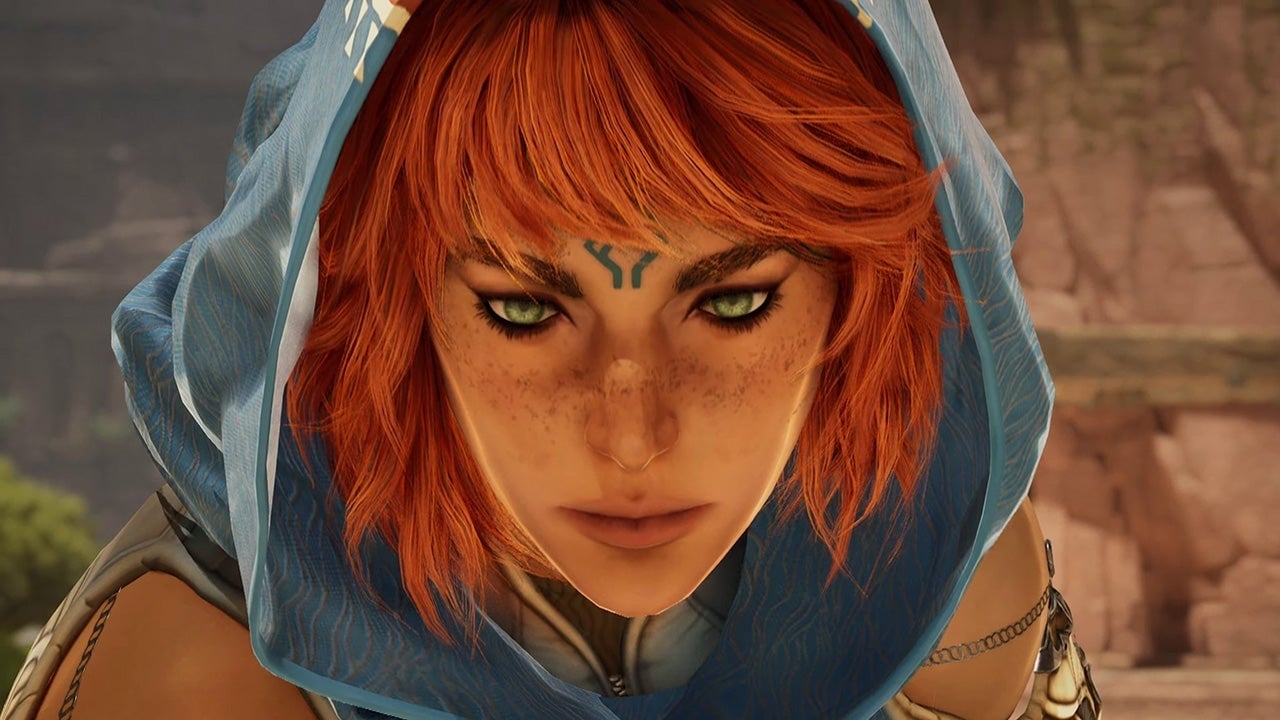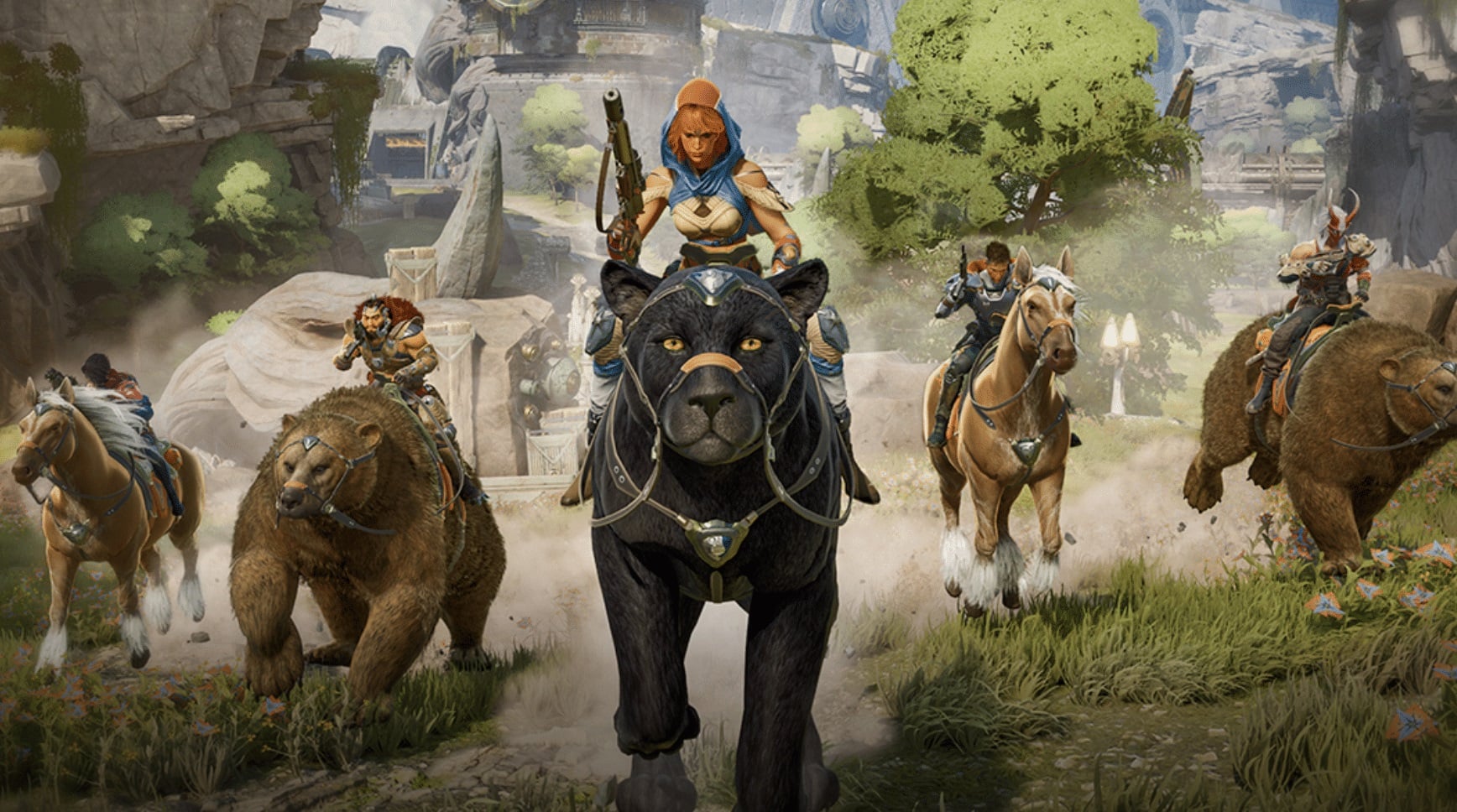
Who remembers Spectre Divide? It was a 2024 tactical first-person multiplayer shooter with an eye-catching visual style and a novel gameplay hook: you could swap between clones during matches as you hunted enemies and defended objectives. It came out around the same time as Concord and briefly seemed like an antidote to its excesses and shortcomings. Instead, it just failed more slowly and less spectacularly.
It was made by Mountaintop Studios, which was founded in 2020 by ex-Oculus guys Nate Mitchell and Matt Hansen, who had the ears of investors. Seizing on gaming’s boom during the early pandemic, they turned $5.5 million in seed money into a $30 million early funding round. They continued raising tens of millions as the game approached launch and tried to make a splash with contributions from high-profile streamers like Shroud.
Spectre Divide came out in September 2024 and peaked at over 30,000 concurrents on Steam, only to instantly begin its long and painful descent. A barrage of complaints about server issues and latency immediately tanked the Steam rating, followed by frustrations over matchmaking fairness and the lack of common features like a battle pass. It was a free-to-play game, so the barrier to entry was low, but some cosmetic bundles were absurdly overpriced.
“That fucking killed us,” Hansen told 80.lv last year. “It killed our early momentum, which is critical for any new game.” By they time they addressed all of the early problems, the player counts were too low on PC to get fast and fair matchmaking, let alone generate meaningful post-launch revenue to keep the game afloat. Mountaintop pivoted to releasing a console version as soon as possible but it was already too late. Spectre Divide was in a death spiral.
The dead game death sentence
It made a bad first impression, with intrigue over the innovative take on what was essentially Counter-Strike meets Valorant in a bubblegum wrapper overshadowed by review-bombing over legitimate but temporary issues. Most players quickly popped back to their existing online games of choice. Anyone new who came along found a much slower, more lopsided matchmaking pool to introduce them to the game.
Who wants to be caught buying a ticket for the Titanic after it’s already hit the iceberg? Who wants to be seen eating at a restaurant that’s almost entirely empty, no matter how good their tacos or smash burger are? A month after launch, Spectre Divide had a peak concurrent count of just under 3,000 players and was already battling the “dead game” stench wafting around its subreddit and Steam review comments.
“The player count is such a self-fulfilling prophecy in and of itself,” Mitchell told me at the time. He called Steam concurrents the new Metacritic scores, a metric to batter games around with in service of competing agendas and narratives. “If people see the player count going up, then their articles get written about it, and then people come in, if it’s going down, people write articles, they’re like, this game’s not going to be around so I’m not going to invest my time in it. And it’s such a tough thing. I don’t think we expected that [back when we started development].”
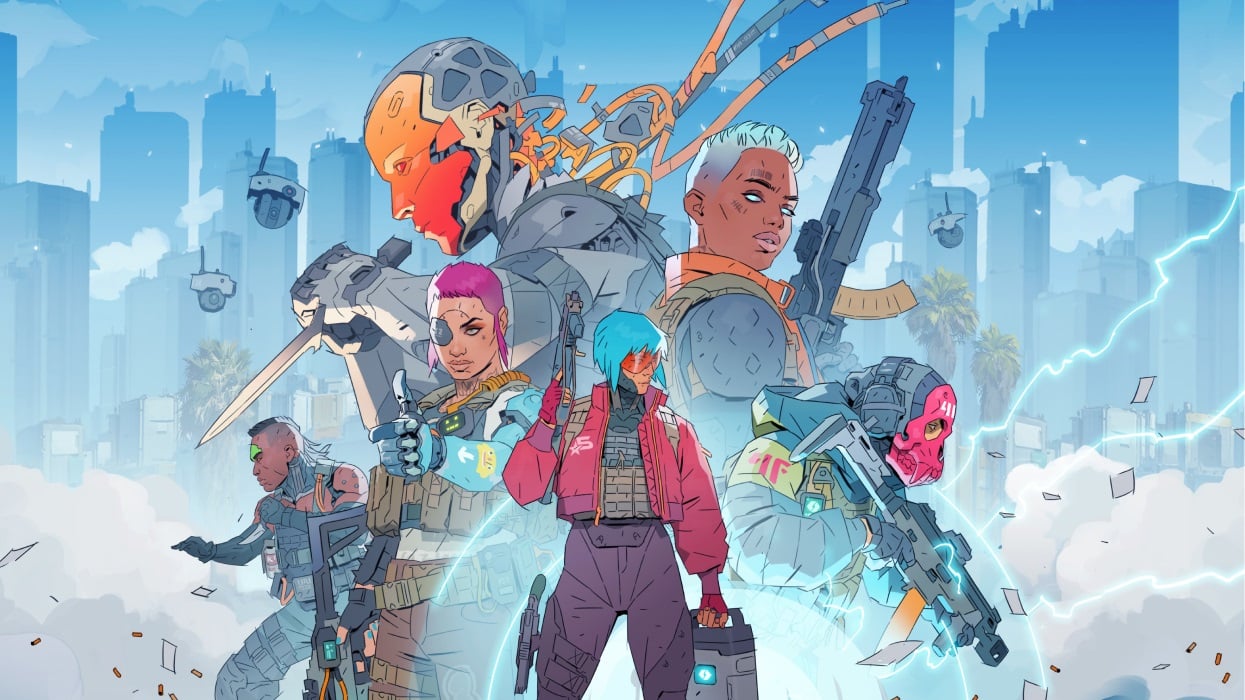
He continued, “‘Dead game’ is not the most constructive feedback. So I much prefer when someone writes online, ‘Hey, the gunplay is not for me, and here’s why, and here’s how I think they should change it.’ But ultimately, it’s okay, you know, it’s on us…we deserve some of those, you know, sort of dead game memes at the end of the day.” In hindsight a year later, Hansen told 80.lv, “Some players were saying it was a dead game within one day of release but we always felt like we were one update away from turning things around.”
The Mountaintop founders have tried to Monday-morning-quarterback what might have turned things around for Spectre Divide. Delaying development to launch in a better place? Saving the marketing and media blitz for day-one instead of a closed beta? Mountaintop took a $65 million shot and missed. Some players looked at Spectre Divide and immediately felt it was destined to fail. Even months after the game shut down in early 2025, Mitchell believed that wasn’t the case. “In a parallel universe where we didn’t have the server issues, where the community wasn’t frustrated with our early pricing that rankled people, where maybe we had a bit more money for marketing, we could have gotten the critical mass going,” he said.
I’m sure all of these questions are similar to the ones currently facing Wildlight Entertainment’s developers, the majority of whom were laid off this week, less than a month after Highguard‘s launch. When online multiplayer projects get such a small window to make their mark and find a foothold in an ever more competitive landscape that’s already crowded with too many games, how can you not begin to second-guess every little choice, from where to allocate resources early in development to how many heroes and modes to debut at launch?
Highguard‘s race against time
Would deciding against revealing Highguard at the Game Awards 2025 have saved it weeks and weeks of bad online buzz, or would it have just made it that much harder to get anyone to pay attention once the game was out? Would a 5v5 mode on day one have kept more players around than the more boring 3v3 it started with? Would better performance on PC for less powerful gaming rigs have spared Highguard an immediate onslaught of negative drive-by Steam reviews? Would pitching its launch as an open beta or early access period have lowered the expectations it got graded against?
No one knows the answers to these questions, or whether magically knowing them would matter in the scheme of a game that, at the end of the day, many agree can be interesting and fun but just isn’t as fully baked as its mountain of competition, from Arc Raiders and Deathlock to Marvel Rivals and Overwatch. What has become increasingly clear, however, is that once caught in a live-service death spiral, you need more than good ideas and some extra runway to escape it.
It seems absurd to launch a multiplayer game and lay most of its creators off before the one-month anniversary, but short of pulling a rabbit out of a hat, it’s hard to imagine momentum ever meaningfully shifting back in a game like Highguard‘s favor. Comeback stories like those around Cyberpunk 2077 and No Man’s Sky are still extremely rare in the live-service space. When it works, it’s usually because you have massive publishers with huge franchises on the line–Final Fantasy XIV, Rainbow Six Siege, Fallout 76–and even then it takes tons of money, years of scrambling, and more than a little luck to pull off a miracle.
Most multiplayer games have none of those things, and sometimes even when they check all the boxes it’s still not enough. Wildlight wanted to create a game that “people love and [that] becomes a part of them,” studio head and game director Chad Grenier told Polygon a week before Highguard‘s launch. “Whether it gets a thousand people or a hundred million people, it doesn’t matter. What matters most is that the game is loved by the people who played it.” It might have mattered most, but it didn’t matter enough.