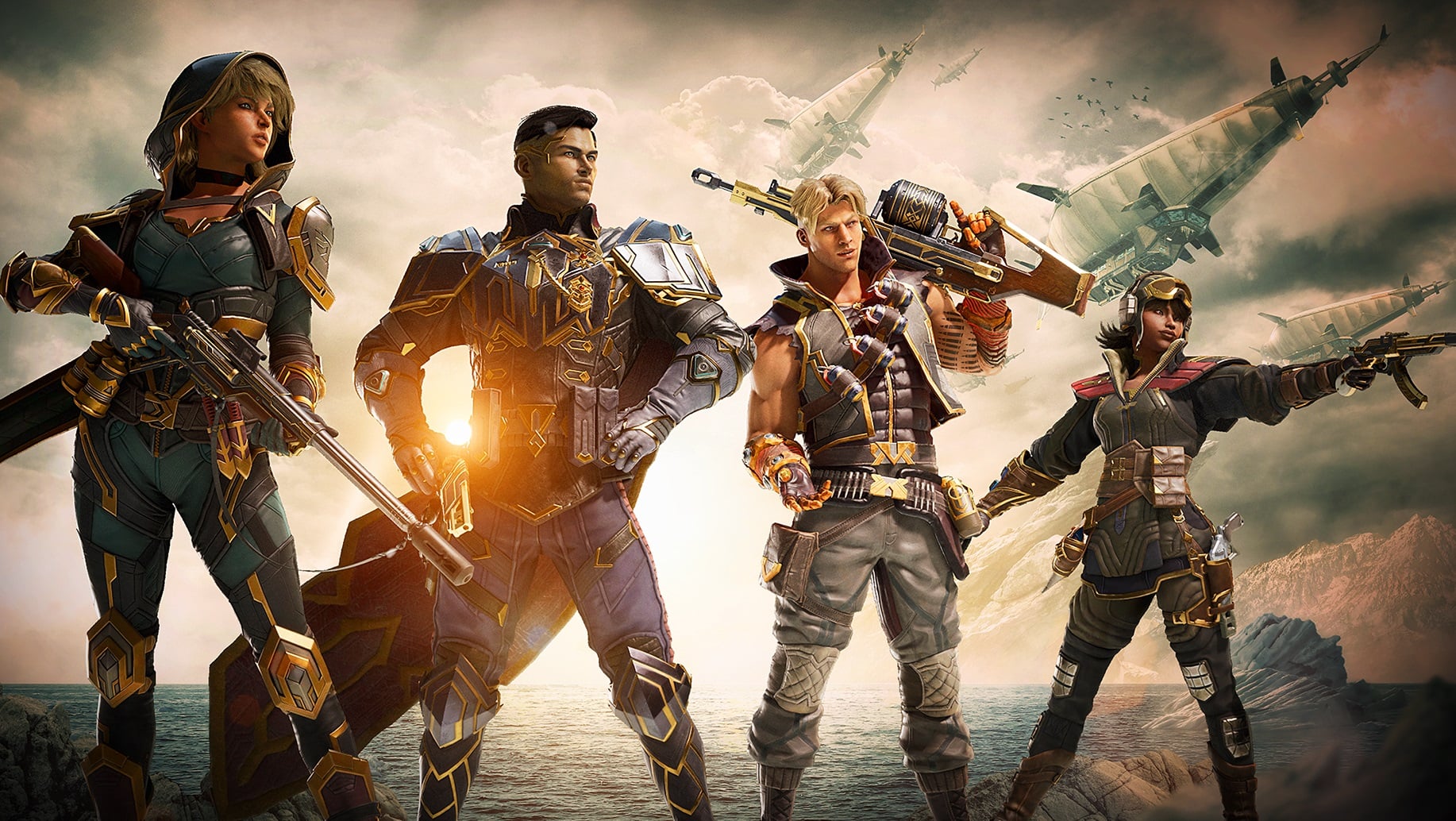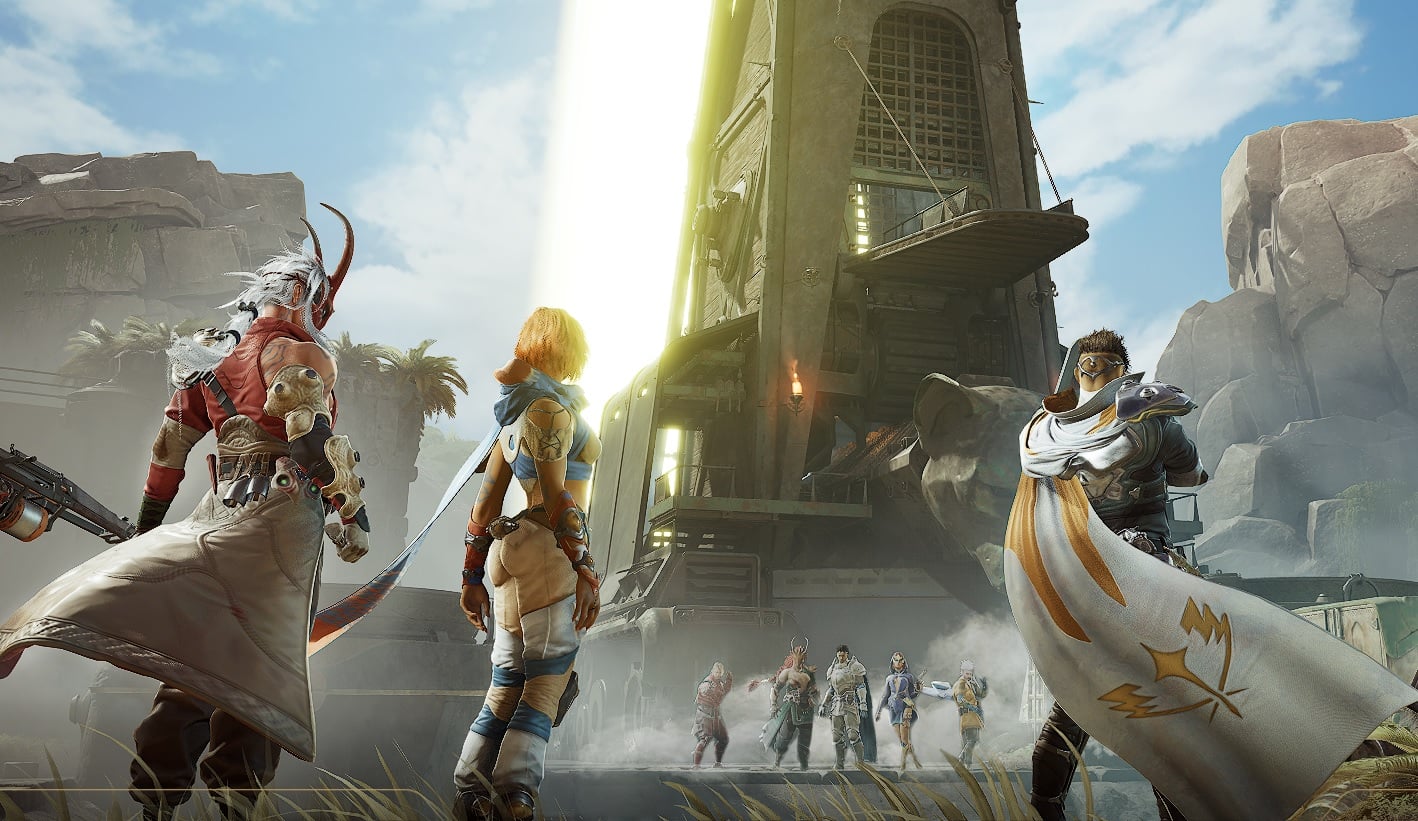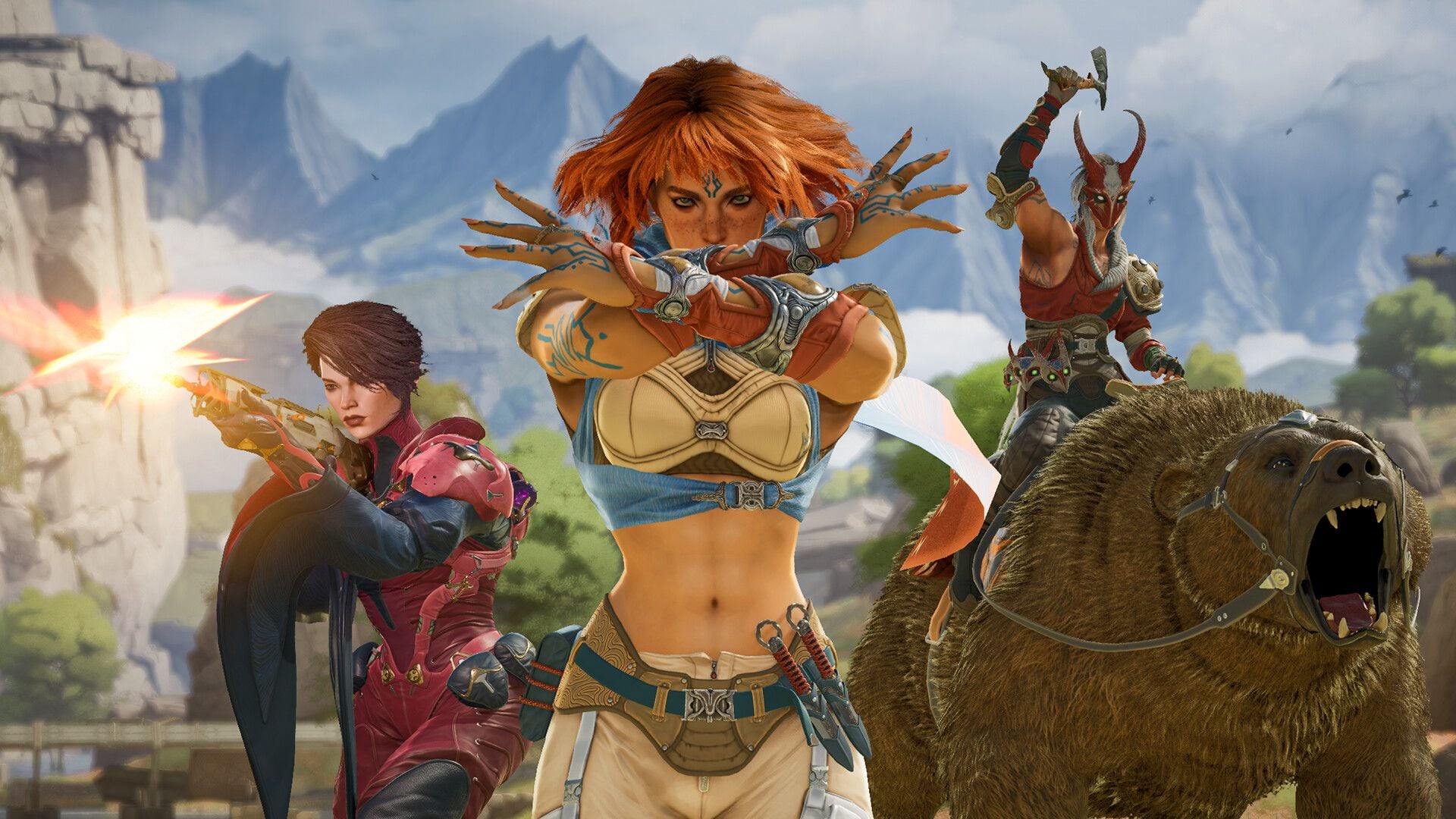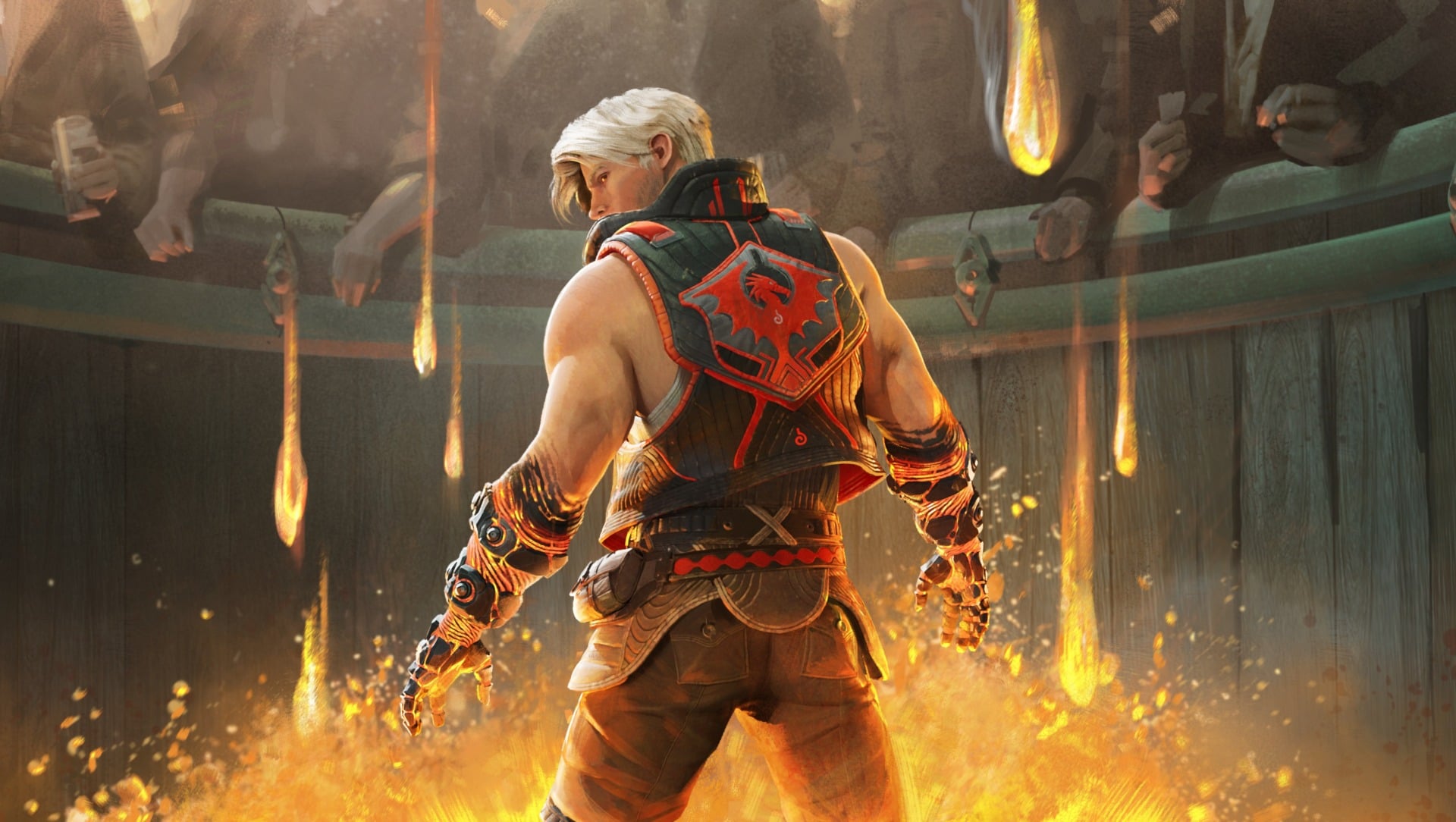
Josh Sobel, who was formerly a tech artist and rigger on live-service shooter Highguard, posted a lengthy, eye-opening blog about his time working on the free-to-play FPS that has struggled since launching last month on consoles and PC. Sobel also talks about the response it got after its reveal and the harassment he suffered.
On February 12 Sobel, a former Wildlight Entertainment developer who worked on Highguard for two and a half years, shared a post on Twitter containing thoughts he says he has been wanting to share “for a while.” In the post, titled “Reflecting On Shipping My First Game,” Sobel reveals that the day leading up to Highguard‘s big reveal at the 2025 Game Awards was “amongst the most exciting” in his life. “The future seemed bright,” added the developer. However, shortly after its reveal in December, it became clear that wasn’t the case.
“Then the trailer came out, and it was all downhill from there,” said Sobel.
“The hate started immediately. In addition to dogpiling on the trailer, I personally came under fire due to my naïveté on Twitter, which almost all of my now-former coworkers had learned to avoid during their previous game launches. After setting my Twitter account to private to protect my sanity, many content creators made videos and posts about me and my cowardice, amassing millions of views and inadvertently sending hundreds of angry gamers into my replies. They laughed at me for being proud of the game, told me to get out the McDonald’s applications, and mocked me for listing having autism in my bio, which they seemed to think was evidence the game would be ‘woke trash.’ All of this was very emotionally taxing.”
Sobel admits that there is plenty of “constructive criticism” about how the game was marketed, but said he didn’t feel like it was his place to comment on that and stated that there is no way to know if the launch would have been better or worse without the Game Awards reveal. Regardless, after the trailer landed, Sobel says the game “turned into a joke from minute one” and blames “false assumptions” about how much the trailer’s spot cost the studio. It was later revealed that Wildlight didn’t pay anything; Game Awards founder Geoff Keighley just liked the game enough to include it.
“Within minutes, it was decided: this game was dead on arrival, and creators now had free ragebait content for a month. Every one of our videos on social media got downvoted to hell. Comments sections were flooded with copy/paste meme phrases such as ‘Concord 2‘ and ‘Titanfall 3 died for this.’ At launch, we received over 14k review bombs from users with less than an hour of playtime. Many didn’t even finish the required tutorial.”
The former Highguard dev didn’t entirely blame gamers for the shooter’s failure, but did suggest that gamers have a “lot” of power over what games succeed and fail.
“I’m not saying our failure is purely the fault of gamer culture and that the game would have thrived without the negative discourse, but it absolutely played a role. All products are at the whims of the consumers, and the consumers put absurd amounts of effort into slandering Highguard. And it worked.” Wildlight recently announced massive layoffs.
“Many of Wildlight’s former devs will now be forced to assimilate back into the actual corporate industry many gamers accused Wildlight of being a part of. Now, every time someone thinks about leaving the golden handcuffs behind in favor of making a new multiplayer game the indie way, they’ll say, ‘But remember how gamers didn’t even give Wildlight a chance.’ Soon, if this pattern continues, all that will be left are corporations, at least in the multiplayer space. Innovation is on life support.”
Sobel wrapped up his post by wishing the remaining devs at the studio good luck on Highguard, and saying he believes it can still succeed. He also made it clear that he doesn’t believe the game deserved what it got.
“Even if Highguard had a rocky launch, our independent, self-published, dev-led studio full of passionate people just trying to make a fun game, with zero AI, and zero corporate oversight, deserved better than this,” said Sobel. “We deserved the bare minimum of not having our downfall be gleefully manifested.”