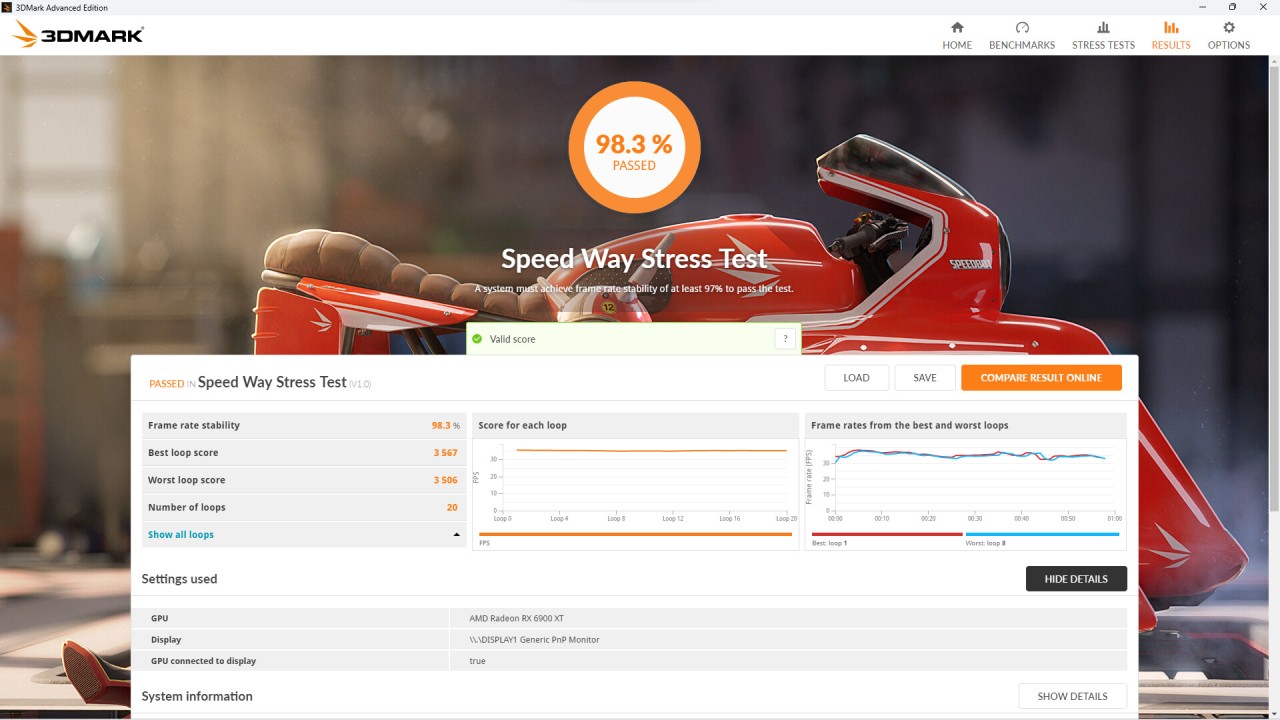
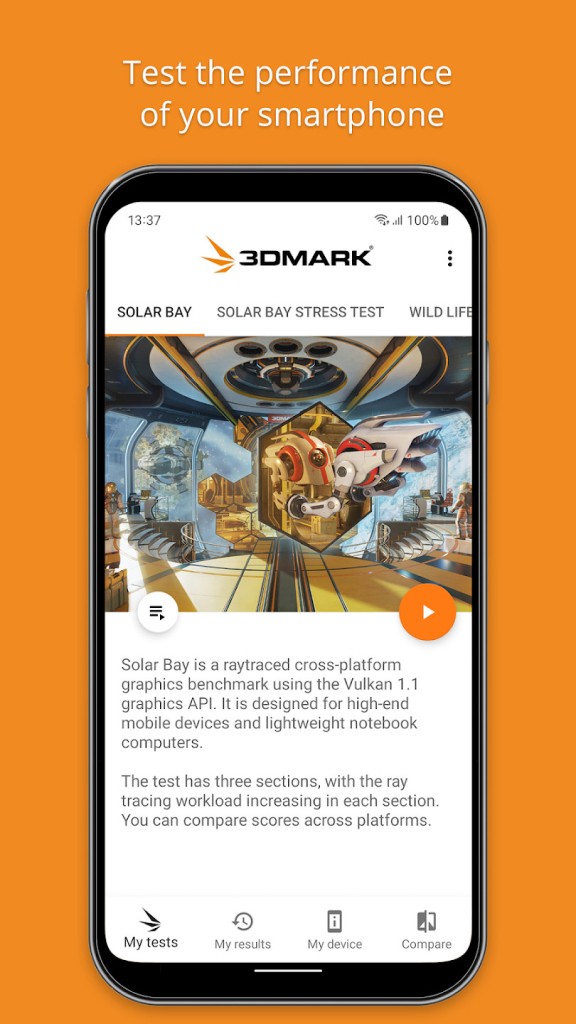
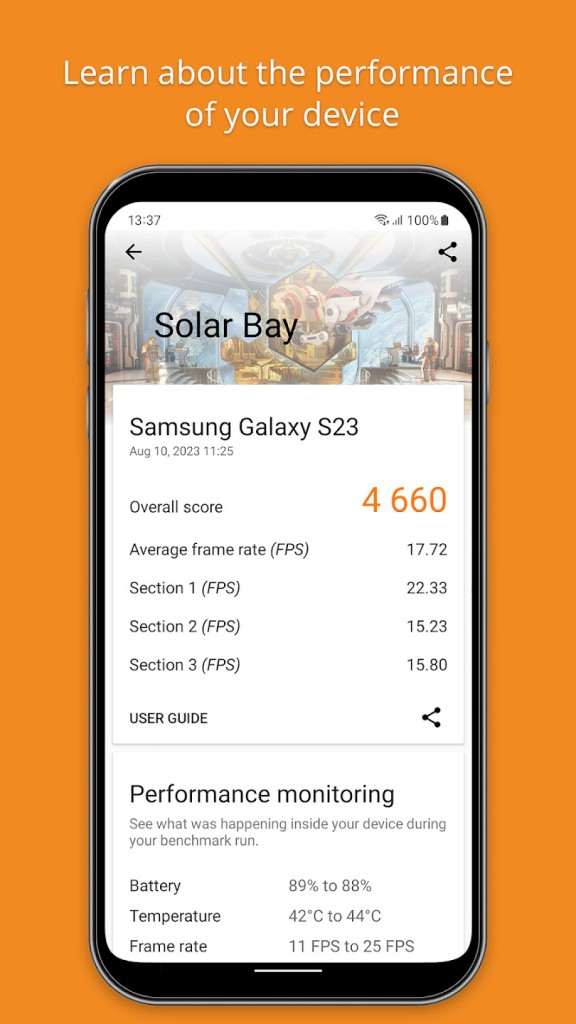
3DMark Basic is a benchmarking application used to determine the performance of a device, mainly in terms of graphics and the speed of the processor. It is used by gamers, PC builders, and anyone curious about how powerful their system is. Rather than assuming whether a phone, tablet, or computer is fast, 3DMark uses testable results and provides scores that provide actual performance.
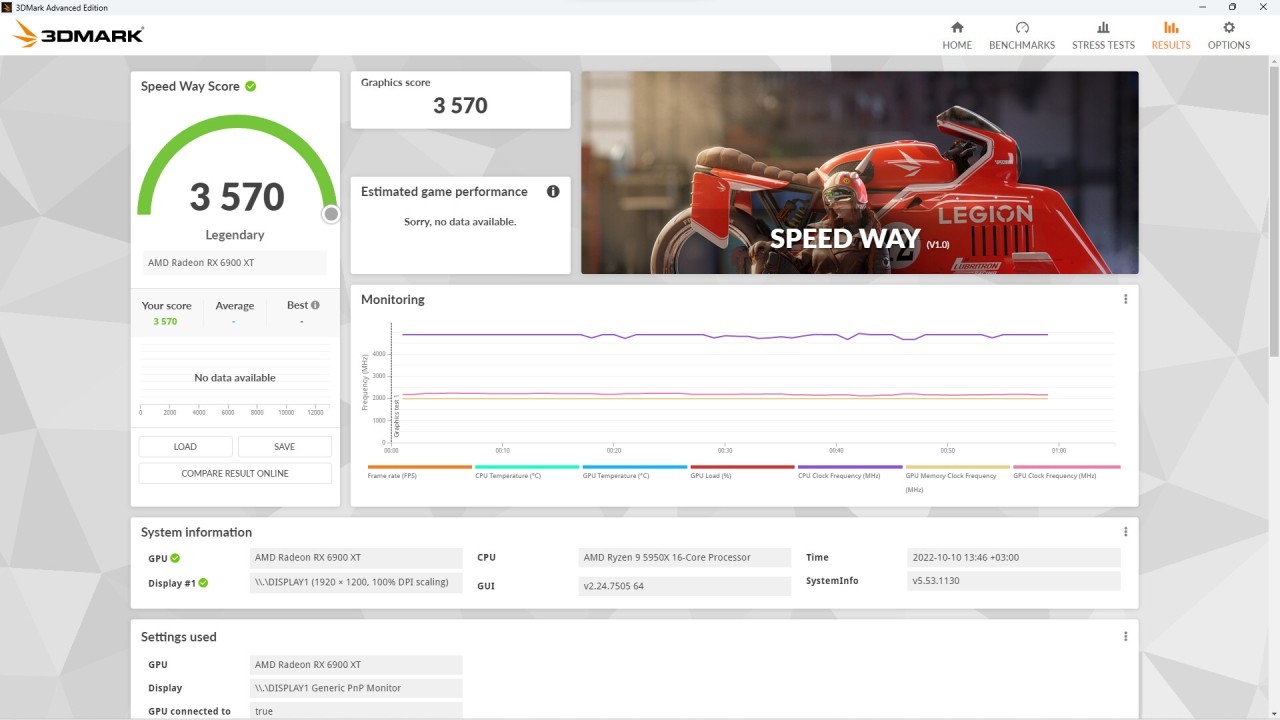
The software turns the game-like scenes, which puts strain on the graphics card (CPU). Upon the completion of the test, a score is available, which can be compared with other related devices. This will make you know whether your system is on track or not. On mobile phones, it allows you to compare the phones and tablets based on the brands. On PCs, it displays the effects of hardware modifications, additions of drivers, or alterations in system settings on performance.
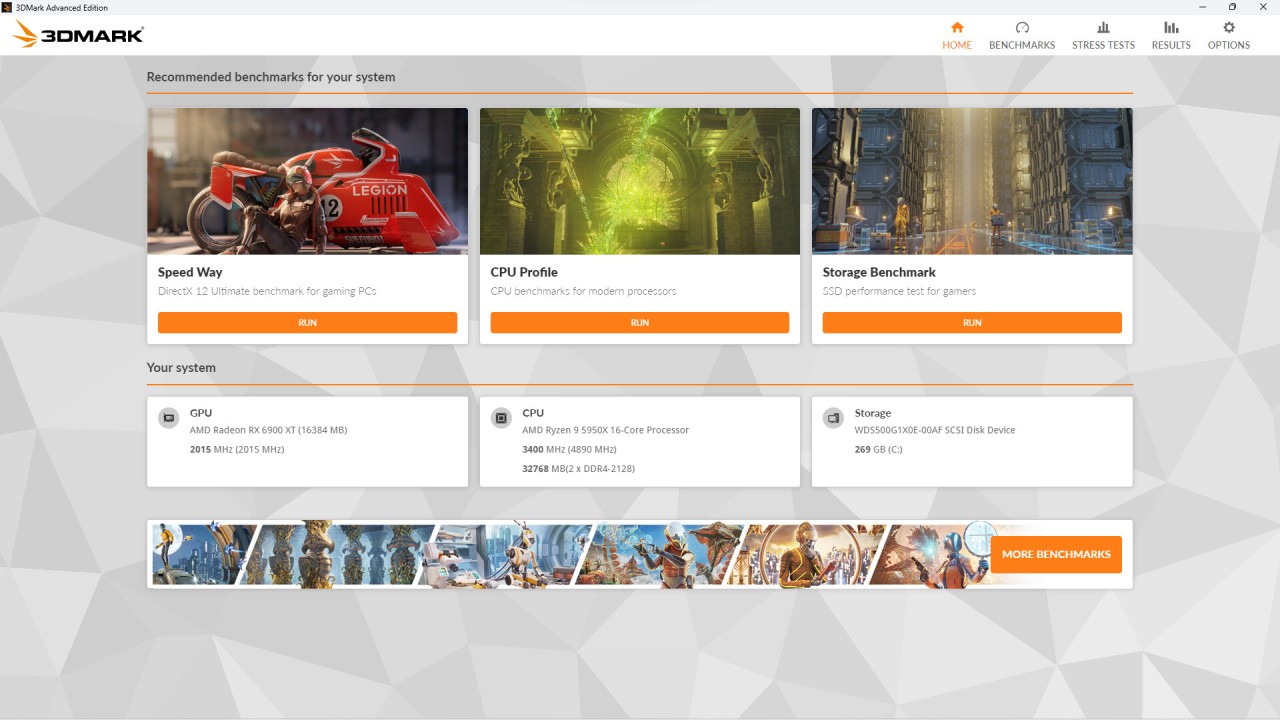
Not a customization, but a measuring tool is 3DMark Basic. It will also automatically suggest the appropriate benchmarks to your device, and you end up being in the game without having much expertise in technical understanding. These are the results that are used to identify the performance fall, thermal problems, or hardware limitations instead of the actual system betterment.
What Are the Key Features of 3DMark Basic?
The first characteristic is that it is capable of measuring CPU performance as well as CPU graphical performance, utilizing the standardized assessments that replicate the authentic game workload. This allows you to view the responses of your hardware to the load. The last score helps to compare devices with similar hardware.
There is another significant feature, which is device comparison. You can compare your findings with the other phones of the same model or the trending phones, tablets, and computers. In the long term, 3DMark can work towards demonstrating the effect of operating system improvements on performance, and this can include spotting slowdowns or increases.
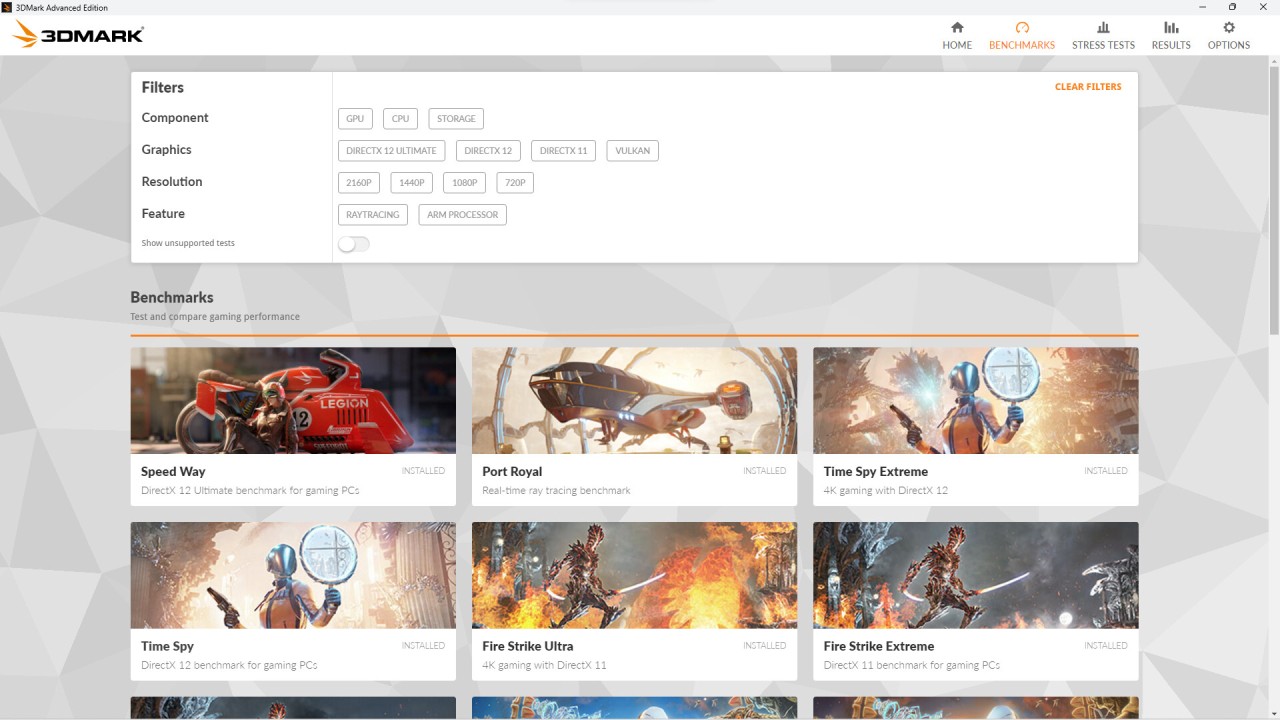
The software has faster benchmarks and stress tests. Quick tests provide immediate performance, whereas stress tests determine the performance under prolonged heavy usage, which helps define throttling or overheating. Ray tracing performance: Ray tracing performance benchmarks, such as Solar Ba,y can be run on supported devices to show the effect of more recent graphics technologies.
3DMark Basic provides the results with charts and rankings, making raw data readable and straightforward trends and comparisons. The app also enables you to install tests individually, thus saving storage, particularly on mobile phones.
Is 3DMark Basic Free to Use?
Yes, 3DMark Basic is free and can be downloaded to be used without commercial purposes. On mobile platforms, it has no advertisements or in-app purchases. Supported benchmarks included in the free version can also be run, and performance scores can be viewed at no charge. The paid versions or individual licenses can be necessary to use advanced features, other benchmarks, or professional purposes, particularly on the PC. The free version does not apply to business and enterprise use.
Which Platforms Support 3DMark Basic?
3DMark is a cross-platform performance measurement application operating on many OS. On Android, it is available on numerous devices, and benchmarks only require different versions of Android and hardware. Some tests require the more recent Android version with graphics support, like the Vulkan support. On Windows PCs, 3DMark runs on platforms such as Steam, but it supports Windows 10 and Windows 11. It is capable of testing laptops that range from lightweight to those that are of the standard gaming desktops, depending on the benchmark that has been selected. Some tests need DirectX 11, DirectX 12, or DirectX Ray Tracing.
This software can also be found on iOS and macOS. On Apple devices, it supports current hardware and does graphics testing using Metal. Supported benchmark results can be cross-platform, which means you can compare the results of mobile devices to the results of PCs or Macs. Hardware capabilities are crucial to platform support; hence, not all tests are run on all devices. Linux-based operating systems are not supported by 3DMark at this time. The 3DMark Basic is the basic version that should be replaced with the best possible options.
What Are the Best Alternatives to 3DMark Basic?
CrystalDiskMark is used primarily to test storage performance, which deals with the speed of reading and writing data in SSDs and other hard drives owned by a user. It does not emulate the load of a game-like graphics workload, such that it is good at testing its storage bandwidth, but not a full gaming or graphics performance image. Many users choose to download CrystalDiskMark when they specifically want a quick and focused storage speed test.
Antutu Benchmark is also popular on mobile devices, which is a single score containing CPU, GPU, memory, and user experience tests. It is also broader than 3DMark Basic and more graphics-realism oriented. It ranks smartphones and compares hardware generations, but it may not represent the gaming performance so accurately. People often download AnTuTu Benchmark to get a general idea of how a phone performs across different system areas.
Maxon Cinebench is a desktop system and CPU/GPU rendering benchmarking system. It is used to measure rendering performance and not gaming, and this would attract 3D rendering and video production professionals. Although it provides direct scores on the CPU and GPU, it does not provide mobile testing or cross-platform device comparison as provided by 3DMark Basic. Users typically download Maxon Cinebench when they want to test rendering strength rather than gaming performance.