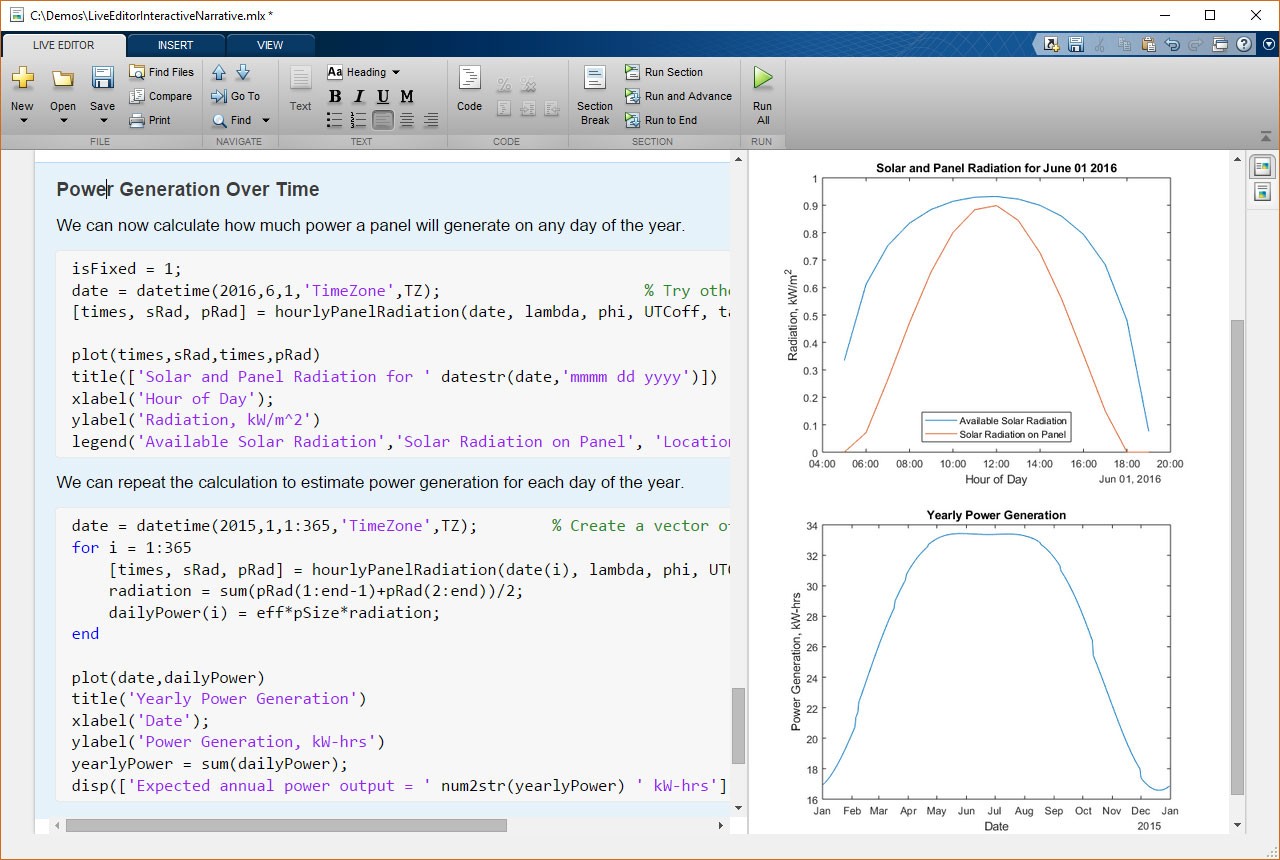
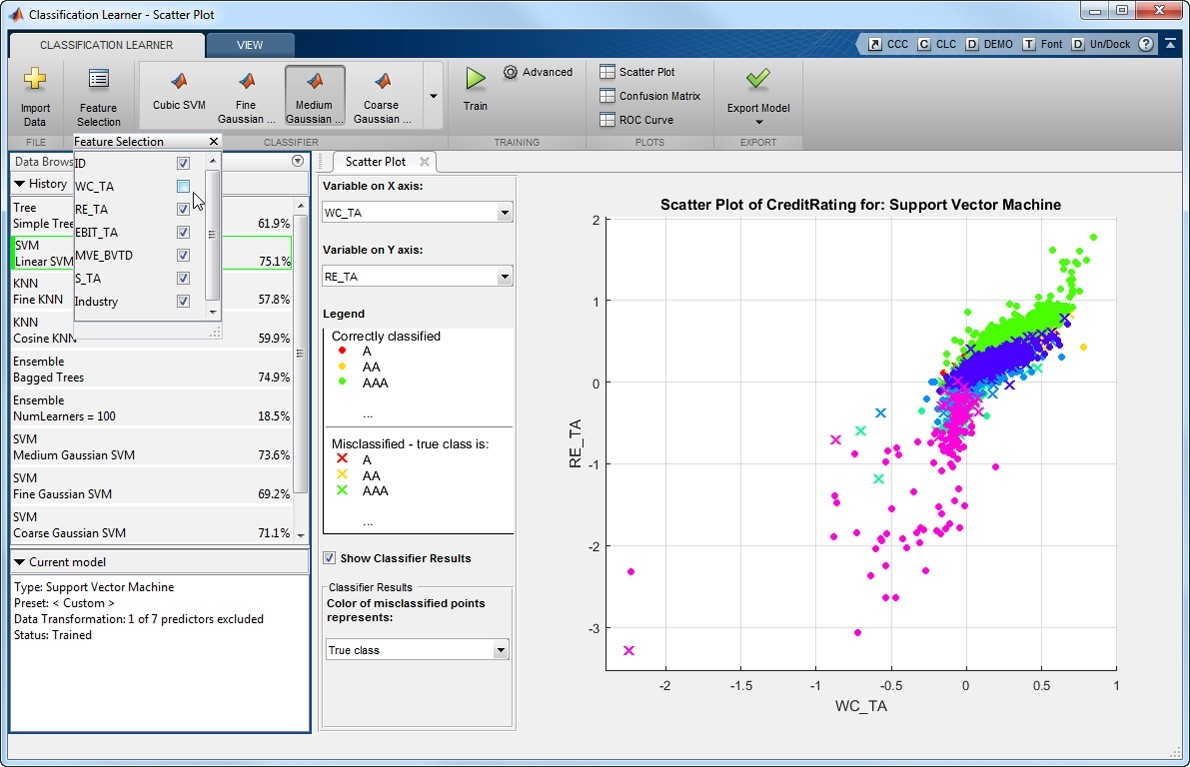
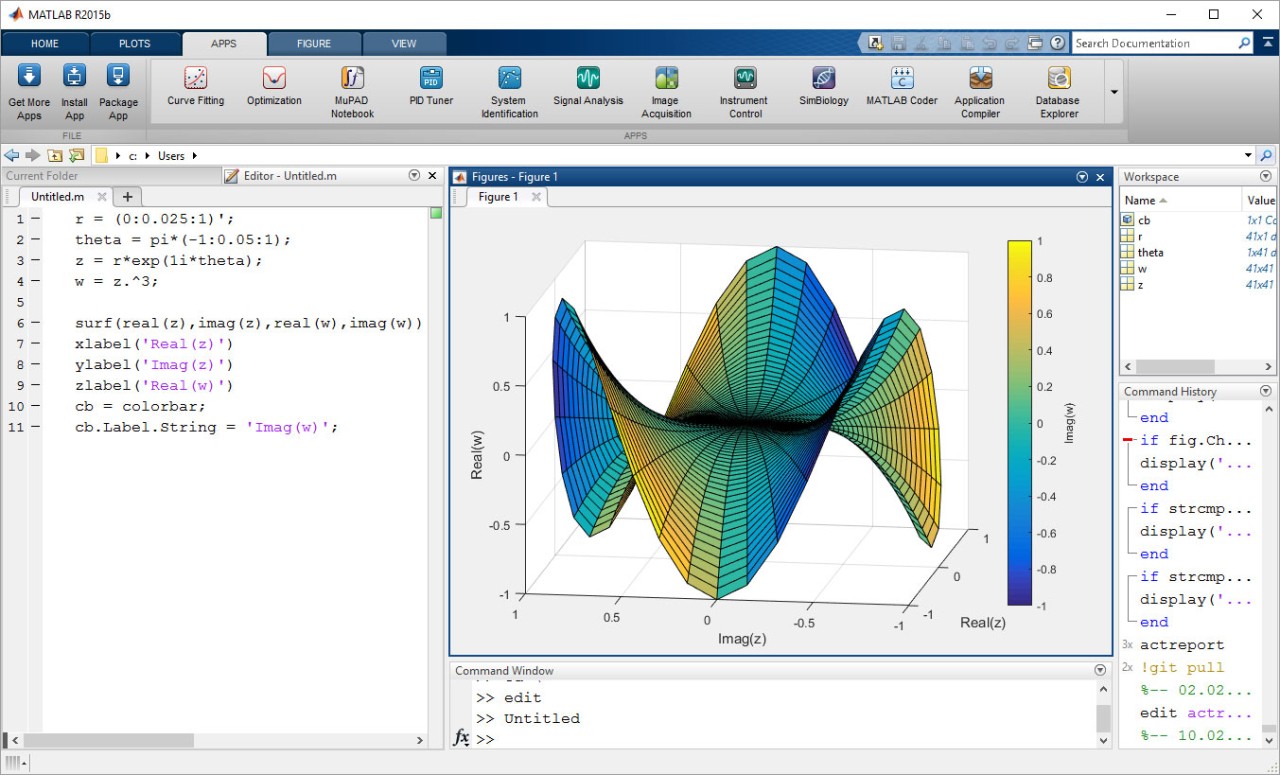
MATLAB is a universal application that is found in engineering laboratories, classrooms, and research facilities in cases where a high degree of accuracy in numbers is needed. MATLAB is not merely a programming language, but an entire environment based on mathematics, simulation, and problem solving. It is used by engineers to process massive data sets, perform testing on the control systems before the hardware is constructed, and run models or investigate data, even when the engineer is not an advanced coder.
The software is applied in aerospace, automotive, robotics, finance, medical research, and all areas requiring calculations or models. Others begin with MATLAB because the university dictates it to them; others have been influenced into it later when the company requires it in either ingmodeling or algorithm development. MATLAB has a formal appearance: it has specialized toolboxes, clearly defined workflows, and documentation that is written not like a simple tutorial, but as academic content. It is not glittering, but it provides precision and dependability where the beauty is not so much of an issue.
What Are the Key Features of MATLAB?
The basic design of MATLAB revolves around making mathematics easier to do, share, and repeat computations. Vectors and matrices are first-class objects, and therefore most scientific and engineering problems are easily converted into their syntax. Users usually start with data visualization tools that plot graphs and surfaces that are generated quickly.
The toolbox ecosystem of MATLAB serves these specific areas, which are signal processing, machine learning, optimization, control theory, and image analysis, among others. Users call tested routines that execute well-documented number rules instead of writing more complex functions on their own.
The Simulink block-diagram simulation environment enables users to create and test dynamic systems graphically, which is a crucial feature in robot, vehicle, power system, or mechanical model work by engineers. MATLAB is also capable of providing application design, algorithm creation, hardware interfacing, simulation execution, and result exportation.
Its debugging tools are easy to use, and the environment is also stable, even when big projects are involved. You are using MATLAB because it is predictable, structured, and you can have a long, relaxed discussion of mathematical concepts without having to fuss over low-level mechanisms.
Is MATLAB Free to Use?
MATLAB is not free. It involves a paid license, and most advanced toolboxes are also expensive. Student campus licenses are commonly offered by universities, and teams are purchased with multi-seat access by companies. There is a trial version and even discounted student versions, but the entire environment is a commercial product.
Which Platforms Support MATLAB?
MATLAB is compatible with popular desktop operating systems, Windows, macOS, and Linux, and offers a similar interface on all three platforms. Switching between machines results in their scripts and toolboxes acting in the same manner. In the case of bigger calculations, MATLAB is compatible with servers or clusters.
MATLAB Online enables the software to be run in a web browser, but is not as capable as the desktop version. It supports major browsers such as Chrome, Firefox, and Safari when accessed online. Full MATLAB programs are not usually written on mobile devices, but companion apps allow users to view data or to use Simulink models. In general, the desktop environment has been the home of MATLAB, where one can load datasets, simulate, plot, and run scripts and applications without any problem.
What Are the Best Alternatives to MATLAB?
Julia is a more recent language focused on being more high-performing and having a more readable syntax. It is fast like compiled languages and combines convenient mathematical code writing. Scientific computing researchers, machine learning researchers, or large simulators will find Julia attractive due to the absence of the conventional trade-off between convenience and speed. It is open source and therefore does not have licensing issues; the community is fast in creating packages. Even though it does not have decades of toolbox heritage like MATLAB, it develops rapidly and can be used by users who need modern functionality, high performance, and a dynamic ecosystem. If someone wants to try Julia quickly, they can just download it and start exploring without much setup.
GNU Octave is very similar to MATLAB in both syntax and workflow. A significant number of MATLAB programs can be executed directly in Octave; thus, it is a viable option where the user wishes to avoid incurring any licensing costs but still have a similar numerical environment. The interface and plotting tools are not so sophisticated, and not all complex MATLAB functions or toolboxes can be translated directly. However, academia and the open-source community are very supportive of Octave. In cases of simple numerical problems, matrix operations, or smaller research projects, Octave can allow the user to remain in a MATLAB-like environment without the need to pay. It is good for learning and experiments, and normal scientific activities. Octave is easy to download as well, making it a convenient option for users who want a MATLAB-style experience for free.
Scilab is the other open-source numerical environment that is applied in engineering and science. It provides a scripting language, an extensive mathematical library, and simulation tools. Its syntax is not like that of MATLAB, but the overall idea is the same: operations with matrices, plotting functions, and domain toolboxes. Scilab is attractive to those users who want structure and richness without commercial licensing. It is used in some industries and universities, in modeling, control-system studies, and education. Its ecosystem is not as wide as that of MATLAB, but in the context of the free numerical environment that has engineering capabilities, Scilab is still a viable and competent choice. Users often download Scilab when they want a structured, capable numerical tool without paying for commercial software.